

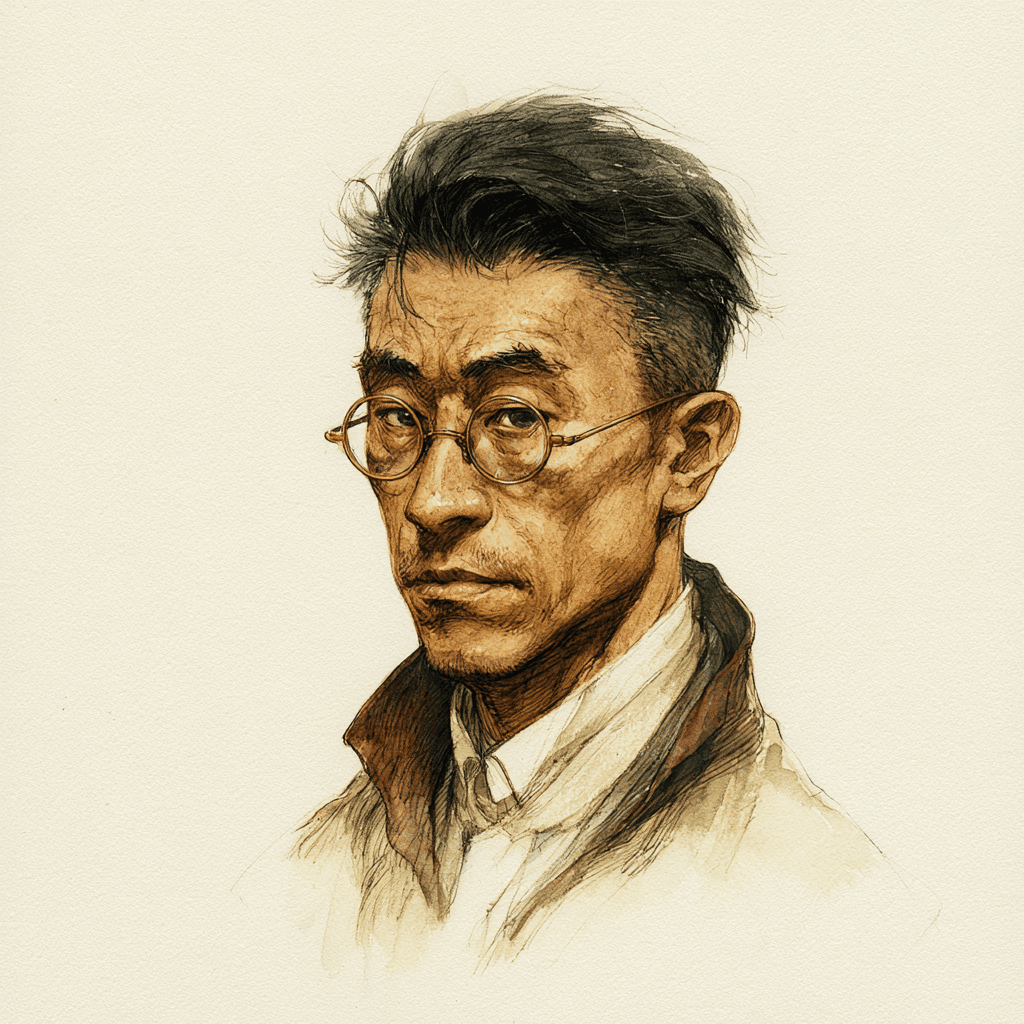
Du Tsung-ming
Taiwan's First Doctor of Medicine
Japanese Rule
1893–1986
Du Tsung-ming (1893–1986) was born in Sanzhi (then in Tamsui District), Taipei, and became the first Taiwanese to earn a doctorate in medicine, as well as the first locally born Taiwanese to obtain a doctorate in any discipline. He attended the Taiwan Government Medical School, a forerunner of National Taiwan University's College of Medicine, and after graduation pursued advanced study at Kyoto Imperial University, focusing on pharmacology and toxicology. In 1922 he received his doctorate in medicine, an unprecedented achievement for a Taiwanese under colonial rule. On his return he took up a teaching post at the Taipei Medical Specialty School and in time rose to full professor at Taihoku Imperial University's Faculty of Medicine. His research centered on opium addiction, snake venom, and the chemical analysis of traditional Chinese pharmacopoeia, drawing recognition from both the Japanese authorities and the international scientific community. From 1929 he led scientific treatment of opium addicts at the Gengshengyuan (Rehabilitation Institute) in Taipei, proposing a so-called gradual-withdrawal therapy that combined tapered dosing with psychological counseling. During the same period he developed a urinary morphine assay capable of objectively verifying abstinence, providing a crucial scientific basis for the era's opium-rehabilitation system. His work both responded to the Government-General's opium monopoly policy and made Taiwan an internationally significant site for opium-treatment research from the 1930s into the 1940s. After the Republic of China takeover, he served as the first dean of National Taiwan University's College of Medicine, helping to bridge the medical institutions of the colonial and postwar eras. In 1954 he founded Kaohsiung Medical College, today's Kaohsiung Medical University, opening a new chapter in medical education in southern Taiwan. He devoted decades to training local physicians and advancing public health, and his students went on to populate the upper ranks of Taiwan's medical profession. He died in Taipei in 1986 at the age of 93. He is widely credited with being a founding figure of modern medical education and of the scientific approach to opium rehabilitation in Taiwan.
1922 Earned doctorate in medicine, the first for a Taiwanese
1930s Led gradual-withdrawal opium therapy at Gengshengyuan
1954 Founded Kaohsiung Medical College
Taiwan's First Doctor of Medicine
Du Tsung-ming
Era
Japanese Rule
Lifespan
1893–1986
Du Tsung-ming (1893–1986) was born in Sanzhi (then in Tamsui District), Taipei, and became the first Taiwanese to earn a doctorate in medicine, as well as the first locally born Taiwanese to obtain a doctorate in any discipline. He attended the Taiwan Government Medical School, a forerunner of National Taiwan University's College of Medicine, and after graduation pursued advanced study at Kyoto Imperial University, focusing on pharmacology and toxicology. In 1922 he received his doctorate in medicine, an unprecedented achievement for a Taiwanese under colonial rule. On his return he took up a teaching post at the Taipei Medical Specialty School and in time rose to full professor at Taihoku Imperial University's Faculty of Medicine. His research centered on opium addiction, snake venom, and the chemical analysis of traditional Chinese pharmacopoeia, drawing recognition from both the Japanese authorities and the international scientific community. From 1929 he led scientific treatment of opium addicts at the Gengshengyuan (Rehabilitation Institute) in Taipei, proposing a so-called gradual-withdrawal therapy that combined tapered dosing with psychological counseling. During the same period he developed a urinary morphine assay capable of objectively verifying abstinence, providing a crucial scientific basis for the era's opium-rehabilitation system. His work both responded to the Government-General's opium monopoly policy and made Taiwan an internationally significant site for opium-treatment research from the 1930s into the 1940s. After the Republic of China takeover, he served as the first dean of National Taiwan University's College of Medicine, helping to bridge the medical institutions of the colonial and postwar eras. In 1954 he founded Kaohsiung Medical College, today's Kaohsiung Medical University, opening a new chapter in medical education in southern Taiwan. He devoted decades to training local physicians and advancing public health, and his students went on to populate the upper ranks of Taiwan's medical profession. He died in Taipei in 1986 at the age of 93. He is widely credited with being a founding figure of modern medical education and of the scientific approach to opium rehabilitation in Taiwan.
1922 Earned doctorate in medicine, the first for a Taiwanese
1930s Led gradual-withdrawal opium therapy at Gengshengyuan
1954 Founded Kaohsiung Medical College