Transitional Justice
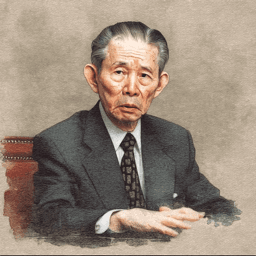
When martial law was lifted in 1987 and the ban on new political parties and newspapers followed, Taiwan inherited a forty-year backlog of unacknowledged political violence. The February 28 Incident of 1947, in which an uprising against post-war Kuomintang rule was crushed with an estimated ten to twenty thousand dead, had been an unspeakable subject for two generations. Tens of thousands more had been executed, imprisoned, or blacklisted under the White Terror of the 1950s, 60s, and 70s, their files sealed and their families silenced. Democratization without reckoning, many argued, would be democratization in name only. The first steps came haltingly. In 1995 President Lee Teng-hui formally apologized on behalf of the state for February 28; monuments were raised, a memorial day designated, and modest compensation offered to victims' families. Through the 1990s and 2000s, a patchwork of rehabilitation statutes returned confiscated property, expunged wrongful convictions, and permitted survivors to speak their names in public for the first time. Yet the underlying apparatus of authoritarian memory — the ill-gotten assets of the Kuomintang, the ubiquitous statues of Chiang Kai-shek, the classified security files, the unidentified perpetrators — remained largely untouched. The passage of the Act on Promoting Transitional Justice in 2017 and the inauguration of the Transitional Justice Commission in 2018 formally institutionalized the work. The Commission was mandated to open political archives, remove authoritarian symbols from public space, restore the reputations of the wrongfully convicted, and recover improperly obtained party assets. Its brief tenure — concluded in 2022 — produced tens of thousands of rehabilitation decisions, a sweeping review of the Chiang Kai-shek Memorial Hall, and fierce political backlash. Critics from the pan-Blue camp accused it of partisan persecution; survivors and scholars argued its powers were, if anything, too circumscribed to reach those most responsible. This volume traces Taiwan's long and unfinished reckoning with its authoritarian past. Through compensation decrees, commission reports, memorial inscriptions, and oral histories of the bereaved, it documents how a democracy once built atop silenced graves has slowly, painfully learned to name its dead, question its heroes, and weigh what justice can still mean decades after the fact.

Vol. 2 · New Formosa
The SARS Storm







1624–1662
The Age of Exploration

Vol. 1
Two Years in Penghu

Vol. 2
The Dutch Arrival

Vol. 3
Fort Zeelandia

Vol. 4
Spanish Northern Taiwan

Vol. 5
The Hamada Yahee Incident

Vol. 6
Indigenous Encounters

Vol. 7
The Madou She War

Vol. 8
The Cave on Lamey

Vol. 9
The Staff With the Silver Head

Vol. 10
The Sinckan Script

Vol. 11
The Banishment of the Inibs

Vol. 12
The Deer That Built an Empire

Vol. 13
The Last Bastion of San Salvador

Vol. 14
The Guo Huaiyi Rebellion

Vol. 15
A Map That Changed a Dynasty

Vol. 16
The Siege of Fort Zeelandia
1662–1683
The Kingdom of Tungning

Vol. 1
Koxinga's Kingdom

Vol. 2
A King Imprisoned by Wrath

Vol. 3
The Eastern Conquest

Vol. 4
Zheng Jing's Reforms

Vol. 5
The Architect of Tungning

Vol. 6
The Dutch Came Back

Vol. 7
Han Settlement

Vol. 8
Vanishing Plain Warriors

Vol. 9
The Anping Secret Pact

Vol. 10
The Last Imperial Dream

Vol. 11
The Tears of Lady Dong

Vol. 12
The Twilight of the Boy King

Vol. 13
The Ultimate Duel

Vol. 14
Prince Ningjing's Martyrdom

Vol. 15
The Fall of Tungning
1683–1895
Taiwan Under the Qing Empire

Vol. 1
Qing Incorporation

Vol. 2
Crossing the Black Ditch

Vol. 3
Dispatches from the Frontier Sea

Vol. 4
The Birth of Hsinchu

Vol. 5
The Babao Canal

Vol. 6
The Liugong Canal

Vol. 7
The Duck Lord's Revolt

Vol. 8
The Dajiaxi Uprising

Vol. 9
The Land Brokers

Vol. 10
Rebellions and Unrest

Vol. 11
How Chiayi Got Its Name

Vol. 12
Wu Sha Opens the Kavalan Plain

Vol. 13
The Opening of Kavalan

Vol. 14
King of the Black Flag

Vol. 15
The Caogong Canal

Vol. 16
Dazhongye and the Shrines

Vol. 17
The Golden Ports

Vol. 18
The Literati of Hsinchu

Vol. 19
The Subgroup Feuds

Vol. 20
Opening of Treaty Ports

Vol. 21
Observers at the Edge of Empire

Vol. 22
The Medical Mission in Southern Taiwan

Vol. 23
The Rover Incident

Vol. 24
The Aboriginal Frontier

Vol. 25
Sovereignty of the Mountains

Vol. 26
Opening the Mountains

Vol. 27
The Sino-French War in Taiwan

Vol. 28
Taiwan as a Province

Vol. 29
The Last Generation of Gentry

Vol. 30
First Steam Locomotive
1895–1945
The Japanese Colonial Era

Vol. 1
The Treaty of Shimonoseki

Vol. 2
The Yiwei War

Vol. 3
The Yunlin Massacre

Vol. 4
Armed Resistance

Vol. 5
The Opium War

Vol. 6
Modern Infrastructure

Vol. 7
The Greatest Thief

Vol. 8
The Miaoli Trials

Vol. 9
The Taroko War

Vol. 10
Sun Moon Lake Hydropower

Vol. 11
The Chianan Canal Miracle

Vol. 12
Taiwan Parliament Petition

Vol. 13
Awakening the Taiwanese Soul

Vol. 14
The Chih-ching Incident

Vol. 15
The New Literature Movement

Vol. 16
The Erhlin Incident

Vol. 17
The Taiwanese People's Party

Vol. 18
The Taiten Exhibition

Vol. 19
Seediq Bale

Vol. 20
The Koshien Dream

Vol. 21
The Guandaoshan Earthquake

Vol. 22
Kōminka Movement

Vol. 23
Wartime Mobilization

Vol. 24
The Takasago Volunteers

Vol. 25
Orphan of Asia
1945–1949
The Early Postwar Years

Vol. 1
From Cairo to Taipei

Vol. 2
Surrender and Takeover

Vol. 3
The Shibuya Incident

Vol. 4
Homecoming of the Overseas

Vol. 5
De-Japanization

Vol. 6
The Parliamentary System

Vol. 7
The Constitutional Convention

Vol. 8
The Early Economic Crisis

Vol. 9
The February 28 Incident

Vol. 10
March at the Port of Keelung

Vol. 11
The 27 Brigade

Vol. 12
The Battle of Wuniulan

Vol. 13
The Penghu Incident of 13 July

Vol. 14
The Dilemma of Native Elites

Vol. 15
Chiang Kai-shek's Diary

Vol. 16
Voices from Elite Diaries

Vol. 17
The American Perspective
1950–1979
Authoritarian Era

Vol. 1
Party-State Governance

Vol. 2
Forty Years Behind the Bamboo Fence

Vol. 3
The White Terror

Vol. 4
Disillusioned Intellectuals

Vol. 5
Cold War Frontline

Vol. 6
The Luku Incident

Vol. 7
Purge of Indigenous Elites

Vol. 8
Military Power Purge

Vol. 9
The 823 Artillery Battle

Vol. 10
Cross-Ethnic Alliance

Vol. 11
A Declaration of Independence

Vol. 12
Red Leaf and the Baseball Fever

Vol. 13
Nine Years of Compulsory Education

Vol. 14
The Taiyuan Incident

Vol. 15
Losing the Seat: The UN and the Diplomatic Dominoes

Vol. 16
The Zhongli Incident

Vol. 17
The Economic Miracle

Vol. 18
Cultural Control
1980–1999
Democratic Transition

Vol. 1
The Dangwai Movement

Vol. 2
The Kaohsiung Incident

Vol. 3
The Lin Family Massacre

Vol. 4
The Chen Wen-cheng Incident

Vol. 5
A Hundred Thousand Drums on Orchid Island

Vol. 6
The Henry Liu Murder and the Tenth Credit Collapse

Vol. 7
Birth of the Opposition

Vol. 8
Lifting Martial Law

Vol. 9
A Hundred Flowers Bloom

Vol. 10
The Plant Yilan Did Not Keep

Vol. 11
The February 28 Redress Movement

Vol. 12
A Hundred Percent Freedom

Vol. 13
The Succession and the February Crisis

Vol. 14
Lilies in the Square

Vol. 15
The End of Mobilization and the Remaking of Parliament

Vol. 16
The Ground Made at Mailiao

Vol. 17
The Independent Taiwan Association Case and the End of Sedition

Vol. 18
The People Choose

Vol. 19
The 921 Earthquake
2000–Present
Modern Taiwan

Vol. 1
The First Party Turnover

Vol. 2
The SARS Storm

Vol. 3
The Shooting on the Nineteenth of March

Vol. 4
Taipei 101

Vol. 5
The Red Shirts and the Trial

Vol. 6
One Island, One Day

Vol. 7
A Letter from the Cape

Vol. 8
Morakot and the Village of Xiaolin

Vol. 9
The White Shirts and Hung Chung-chiu

Vol. 10
Beyond Beauty: Taiwan From Above

Vol. 11
Sunflowers in the Chamber

Vol. 12
Treasures Beneath the Skies

Vol. 13
The First Woman President, and an Apology

Vol. 14
Love Without Distinction

Vol. 15
Three Years of the Pandemic

Vol. 16
The Silicon Shield

Vol. 17
Cross-Strait Dynamics

Vol. 18
Transitional Justice

Vol. 19
The Voices of the Land

Vol. 20
Taiwanese Identity — Who Am I?
Isle of Time is a digital exhibition dedicated to presenting Taiwan's history with scholarly rigor and editorial clarity. We believe that understanding the past is the foundation for knowing the present.
Learn more →