

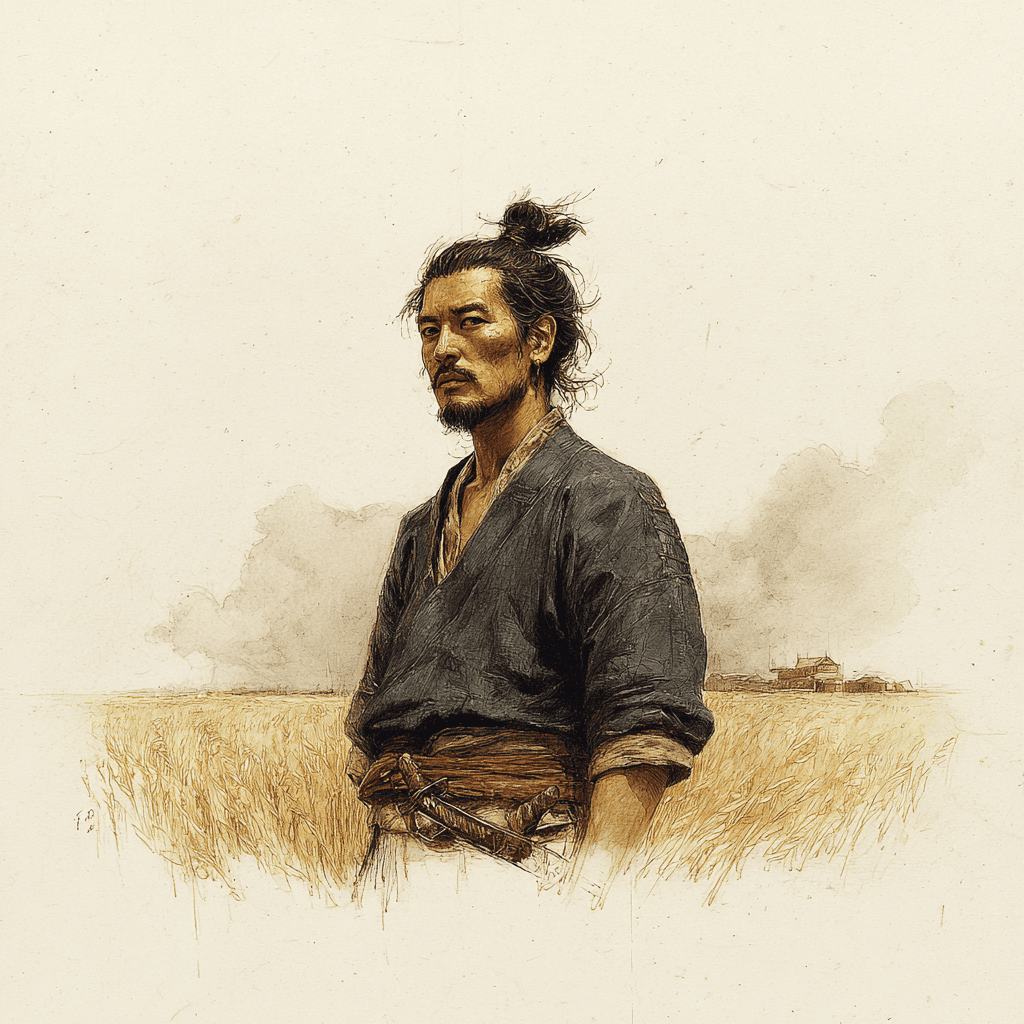
Guo Huaiyi
Leader of the Han Chinese Uprising
Age of Discovery
?–1652
Guo Huaiyi was a mid-seventeenth-century Hokkien settler leader in Dutch-ruled Taiwan who led the largest Han Chinese uprising against the Dutch East India Company in 1652. He came from coastal Fujian and migrated to Taiwan during the period when the VOC actively encouraged Chinese settlement on the southwestern plain, establishing himself as a sugar cane and rice cultivator on the outskirts of what is today Tainan. He was a man of standing within the immigrant farming community and is described in Dutch sources as a representative of the kapitan-class settler headmen, and at times cooperated with the colonial administration. From the late 1640s the VOC, seeking to offset its mounting fiscal deficits, raised the poll tax and the village-leasing (pacht) levies on Chinese settlers and tolerated abuses by the tax-farmers, sharply worsening relations between the immigrants and the Dutch officials. Compounded by successive crop failures and epidemics in the early 1650s, settler discontent reached a breaking point, and he covertly mobilized Hokkien migrants together with some indigenous allies in preparation for armed revolt. In September 1652 he led between four and five thousand Han Chinese, armed largely with agricultural tools and improvised weapons, in an attack near Saccam aimed at overrunning Fort Provintia and Fort Zeelandia under cover of darkness. The plan was betrayed in advance, and the VOC was able to mobilize its musketeers and indigenous allies in time to meet the rising on open ground with concentrated firepower. The fighting lasted some fifteen days, and he himself was killed early in the campaign, his body decapitated and displayed by the Dutch as a warning, while subsequent mop-up operations were carried out by VOC troops together with Siraya allies. Dutch records report that between four and five thousand Han Chinese were killed in combat and the executions that followed, making it the largest internal upheaval of the Dutch period. After the suppression the VOC tightened surveillance and taxation of the Chinese community and expanded the armed role of its indigenous allies to consolidate control of the plain. The uprising nonetheless signaled to the colonial administration that the island's Han Chinese population had grown large enough to threaten the regime, foreshadowing the defection of many settlers to Koxinga's invading forces nine years later. Guo Huaiyi is generally remembered as the leader of the first large-scale Han Chinese revolt against European colonial rule in Taiwan and as a symbolic figure of the conflict between an emerging immigrant society and the imperial powers that sought to rule it.
Led the 1652 Han Chinese uprising against the VOC at Tayouan
Leader of the Han Chinese Uprising
Guo Huaiyi
Era
Age of Discovery
Lifespan
?–1652
Guo Huaiyi was a mid-seventeenth-century Hokkien settler leader in Dutch-ruled Taiwan who led the largest Han Chinese uprising against the Dutch East India Company in 1652. He came from coastal Fujian and migrated to Taiwan during the period when the VOC actively encouraged Chinese settlement on the southwestern plain, establishing himself as a sugar cane and rice cultivator on the outskirts of what is today Tainan. He was a man of standing within the immigrant farming community and is described in Dutch sources as a representative of the kapitan-class settler headmen, and at times cooperated with the colonial administration. From the late 1640s the VOC, seeking to offset its mounting fiscal deficits, raised the poll tax and the village-leasing (pacht) levies on Chinese settlers and tolerated abuses by the tax-farmers, sharply worsening relations between the immigrants and the Dutch officials. Compounded by successive crop failures and epidemics in the early 1650s, settler discontent reached a breaking point, and he covertly mobilized Hokkien migrants together with some indigenous allies in preparation for armed revolt. In September 1652 he led between four and five thousand Han Chinese, armed largely with agricultural tools and improvised weapons, in an attack near Saccam aimed at overrunning Fort Provintia and Fort Zeelandia under cover of darkness. The plan was betrayed in advance, and the VOC was able to mobilize its musketeers and indigenous allies in time to meet the rising on open ground with concentrated firepower. The fighting lasted some fifteen days, and he himself was killed early in the campaign, his body decapitated and displayed by the Dutch as a warning, while subsequent mop-up operations were carried out by VOC troops together with Siraya allies. Dutch records report that between four and five thousand Han Chinese were killed in combat and the executions that followed, making it the largest internal upheaval of the Dutch period. After the suppression the VOC tightened surveillance and taxation of the Chinese community and expanded the armed role of its indigenous allies to consolidate control of the plain. The uprising nonetheless signaled to the colonial administration that the island's Han Chinese population had grown large enough to threaten the regime, foreshadowing the defection of many settlers to Koxinga's invading forces nine years later. Guo Huaiyi is generally remembered as the leader of the first large-scale Han Chinese revolt against European colonial rule in Taiwan and as a symbolic figure of the conflict between an emerging immigrant society and the imperial powers that sought to rule it.
Led the 1652 Han Chinese uprising against the VOC at Tayouan