

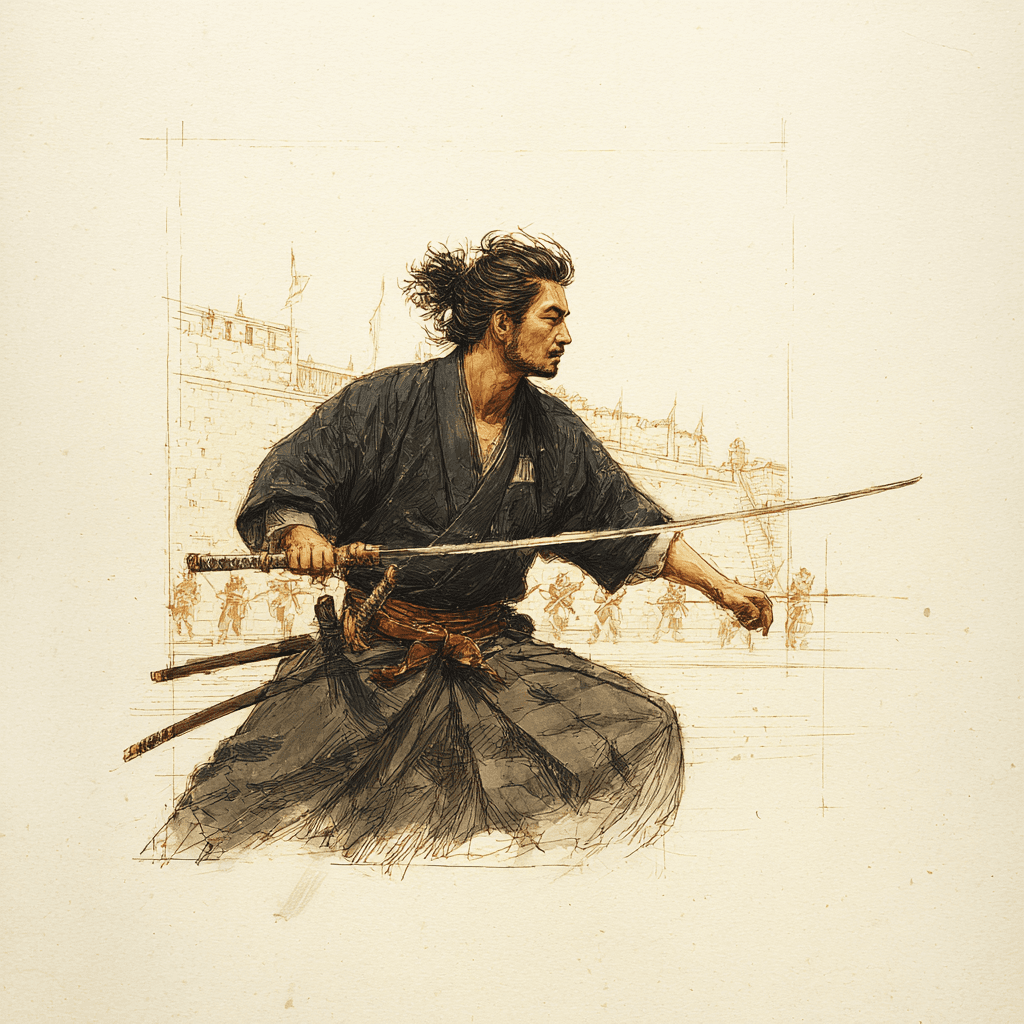
Hamada Yahyoe
Vermilion Seal Ship Merchant
Age of Discovery
?–?
Hamada Yahyoe was a Nagasaki-based vermilion seal (shuinsen) merchant active in the maritime trade between Japan and East Asia during the early Edo period. He came from a Nagasaki commercial family and held shogunal trading licenses to conduct long-distance voyages dealing in silk, silver, and deerskins, the high-value commodities of the Japan-China-Southeast Asia circuit. Working in close partnership with the trading network of the Nagasaki deputy Suetsugu Heizo, by the 1620s he had become one of the largest Japanese traders operating on the Tayouan route. After the Dutch East India Company built Fort Zeelandia at Tayouan in 1624 and imposed import duties and restrictions on Japanese intermediary trade between Taiwan and China, his interests came into direct conflict with the VOC's emerging colonial monopoly. In 1627 he brought Dika and approximately fifteen other Sinkan (Siraya) villagers back to Edo with him, presenting them at the court of Shogun Tokugawa Iemitsu as representatives of Formosa and nominally offering the island in tribute to the bakufu in challenge to the VOC's territorial claim. He returned to Tayouan in 1628 with armed sailors and confronted the Dutch governor Pieter Nuyts over the seizure of his cargo and the detention of the Sinkan envoys. In June 1628 he and his men forced their way into the governor's residence and took Nuyts himself hostage, compelling the VOC to release the Sinkan envoys and to pay heavy compensation in what became known as the Hamada Incident. After returning to Japan with his hostages, he denounced the VOC before the Tokugawa shogunate, which suspended all Dutch trade with Japan from 1628 to 1632 in retaliation for the company's conduct in Taiwan. The four-year embargo forced VOC senior officials to capitulate, eventually surrendering Nuyts himself for detention in Japan as the price of restoring Dutch access to the Japanese market. The promulgation of the Tokugawa sakoku edicts from 1635 abolished the vermilion seal system altogether, ending his legal basis for long-distance trade and removing him from the East Asian commercial stage. His later life and date of death are not recorded in Japanese or Dutch sources. He is widely regarded as the protagonist of one of the rare successful confrontations between a private Japanese trader and a European colonial power in the seventeenth century, and as the figure who triggered the first major international crisis to arise from Taiwan's emerging role as a contested node of East Asian empire.
Seized Dutch Governor Pieter Nuyts in 1628, triggering the Hamada Incident
Vermilion Seal Ship Merchant
Hamada Yahyoe
Era
Age of Discovery
Lifespan
?–?
Hamada Yahyoe was a Nagasaki-based vermilion seal (shuinsen) merchant active in the maritime trade between Japan and East Asia during the early Edo period. He came from a Nagasaki commercial family and held shogunal trading licenses to conduct long-distance voyages dealing in silk, silver, and deerskins, the high-value commodities of the Japan-China-Southeast Asia circuit. Working in close partnership with the trading network of the Nagasaki deputy Suetsugu Heizo, by the 1620s he had become one of the largest Japanese traders operating on the Tayouan route. After the Dutch East India Company built Fort Zeelandia at Tayouan in 1624 and imposed import duties and restrictions on Japanese intermediary trade between Taiwan and China, his interests came into direct conflict with the VOC's emerging colonial monopoly. In 1627 he brought Dika and approximately fifteen other Sinkan (Siraya) villagers back to Edo with him, presenting them at the court of Shogun Tokugawa Iemitsu as representatives of Formosa and nominally offering the island in tribute to the bakufu in challenge to the VOC's territorial claim. He returned to Tayouan in 1628 with armed sailors and confronted the Dutch governor Pieter Nuyts over the seizure of his cargo and the detention of the Sinkan envoys. In June 1628 he and his men forced their way into the governor's residence and took Nuyts himself hostage, compelling the VOC to release the Sinkan envoys and to pay heavy compensation in what became known as the Hamada Incident. After returning to Japan with his hostages, he denounced the VOC before the Tokugawa shogunate, which suspended all Dutch trade with Japan from 1628 to 1632 in retaliation for the company's conduct in Taiwan. The four-year embargo forced VOC senior officials to capitulate, eventually surrendering Nuyts himself for detention in Japan as the price of restoring Dutch access to the Japanese market. The promulgation of the Tokugawa sakoku edicts from 1635 abolished the vermilion seal system altogether, ending his legal basis for long-distance trade and removing him from the East Asian commercial stage. His later life and date of death are not recorded in Japanese or Dutch sources. He is widely regarded as the protagonist of one of the rare successful confrontations between a private Japanese trader and a European colonial power in the seventeenth century, and as the figure who triggered the first major international crisis to arise from Taiwan's emerging role as a contested node of East Asian empire.
Seized Dutch Governor Pieter Nuyts in 1628, triggering the Hamada Incident