

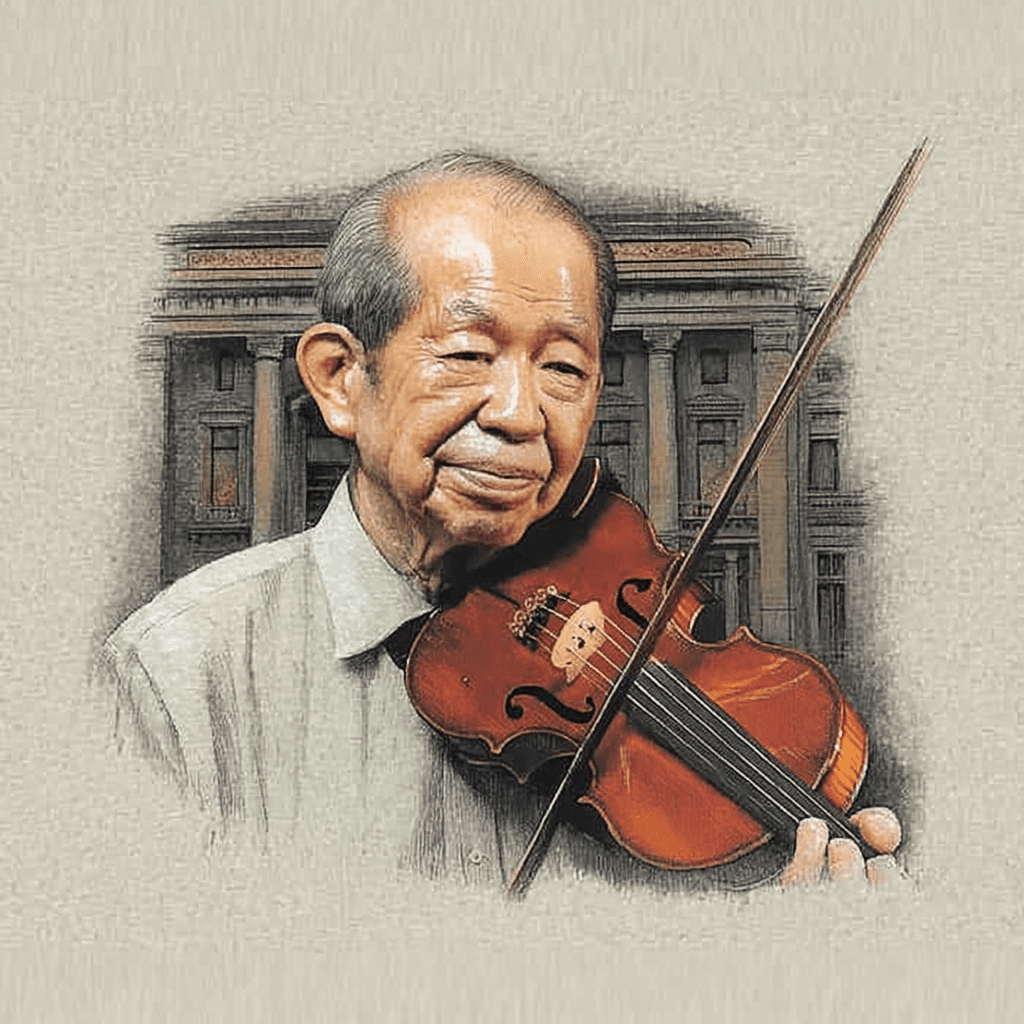
Hsu Wen-lung
Founder of Chi Mei Corporation & the Chimei Museum
Modern Taiwan
1928–2023
Hsu Wen-lung, born in 1928 in Tainan, was a representative entrepreneur of post-war Taiwan who combined industrial achievement with cultural ideals. Growing up in Tainan in the late colonial period, he held a deep interest in art and natural history from childhood, a passion that shaped his whole life. Rising from nothing, he founded Chi Mei Corporation around 1960, entering the production of plastics and petrochemical materials. He built Chi Mei into one of the world's largest suppliers of ABS resin and expanded into the optoelectronics industry, making it a major Taiwanese conglomerate. His management style emphasized humane treatment and employee well-being, championing the idea of the "happy enterprise," distinctive in the business world. Once successful, he poured great resources into culture and philanthropy, realizing the dreams of his youth. He founded the Chimei Museum, collecting Western art, musical instruments, arms, and natural-history specimens, and became renowned for a rich collection of fine violins, long lent free of charge to musicians to nurture Taiwanese musical talent. He was himself a well-known amateur violinist, devoted throughout his life to popularizing art and the education of beauty. In politics he leaned toward supporting Taiwanese identity and served as a senior adviser to the president. He died in Tainan in 2023. Hsu is seen as a model among Taiwanese entrepreneurs of turning wealth into a cultural public good, his Chimei Museum and violin collection long enriching Taiwan's artistic and humanistic soil.
Founded Chi Mei Corporation (1960)
Founded the Chimei Museum, promoting art and a violin collection
Founder of Chi Mei Corporation & the Chimei Museum
Hsu Wen-lung
Era
Modern Taiwan
Lifespan
1928–2023
Hsu Wen-lung, born in 1928 in Tainan, was a representative entrepreneur of post-war Taiwan who combined industrial achievement with cultural ideals. Growing up in Tainan in the late colonial period, he held a deep interest in art and natural history from childhood, a passion that shaped his whole life. Rising from nothing, he founded Chi Mei Corporation around 1960, entering the production of plastics and petrochemical materials. He built Chi Mei into one of the world's largest suppliers of ABS resin and expanded into the optoelectronics industry, making it a major Taiwanese conglomerate. His management style emphasized humane treatment and employee well-being, championing the idea of the "happy enterprise," distinctive in the business world. Once successful, he poured great resources into culture and philanthropy, realizing the dreams of his youth. He founded the Chimei Museum, collecting Western art, musical instruments, arms, and natural-history specimens, and became renowned for a rich collection of fine violins, long lent free of charge to musicians to nurture Taiwanese musical talent. He was himself a well-known amateur violinist, devoted throughout his life to popularizing art and the education of beauty. In politics he leaned toward supporting Taiwanese identity and served as a senior adviser to the president. He died in Tainan in 2023. Hsu is seen as a model among Taiwanese entrepreneurs of turning wealth into a cultural public good, his Chimei Museum and violin collection long enriching Taiwan's artistic and humanistic soil.
Founded Chi Mei Corporation (1960)
Founded the Chimei Museum, promoting art and a violin collection