

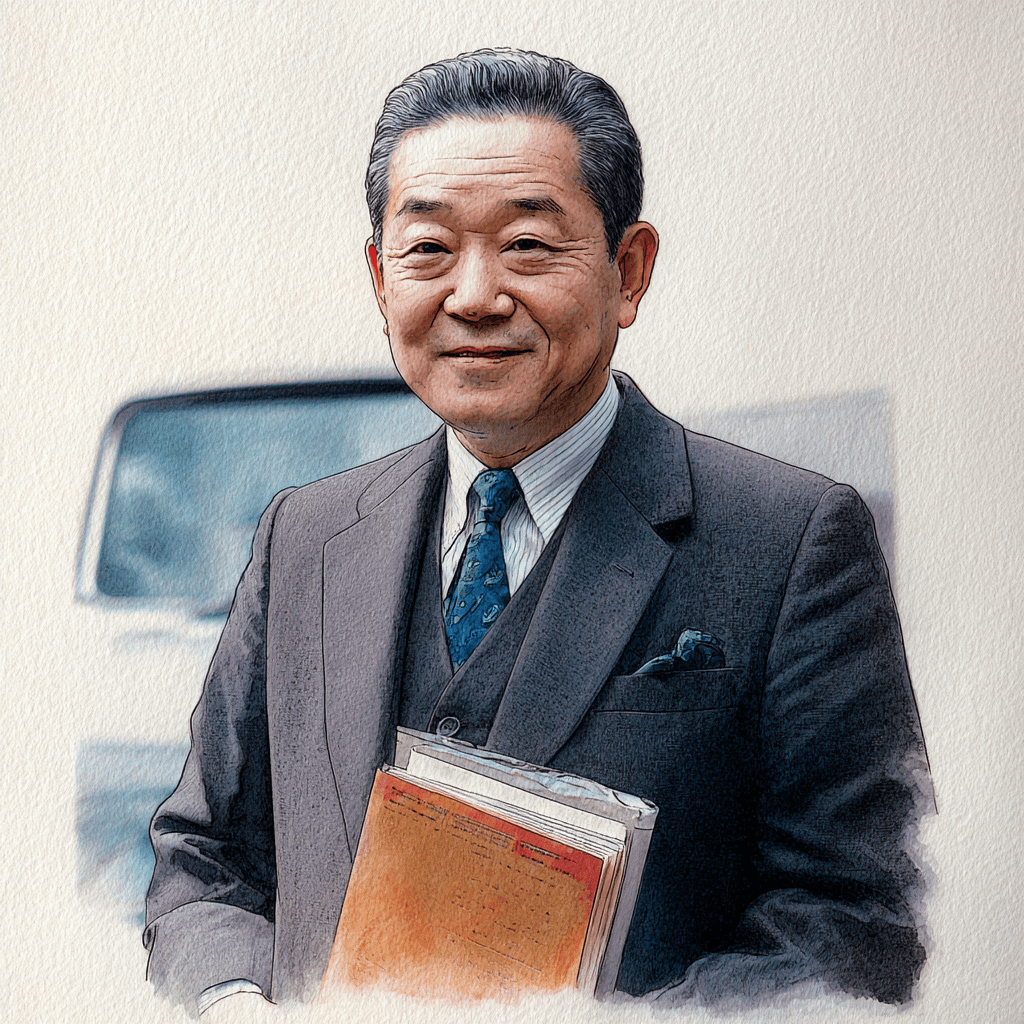
Huang Hsin-chieh
Democracy Activist & DPP Chairman
Authoritarian Era / Democratic Transition
1928–1999
Huang Hsin-chieh, born in 1928 in Taipei to a Hokkien family, was the most senior tangwai elder statesman of his generation and one of the founding architects of organized opposition politics in martial-law Taiwan. He graduated from National Taiwan University and entered local Taipei politics as an independent in the late 1950s, winning seats on the Taipei municipal council during the era when the KMT monopolized national-level office. He was elected as a supplementary member of the Legislative Yuan in 1969, becoming a leading voice for the small tangwai (outside the party) opposition through the 1970s. He cultivated a generation of younger tangwai activists across local elections and intellectual circles, mentoring figures who would later define the Democratic Progressive Party. In 1979 he co-founded Formosa Magazine (《美麗島》雜誌), the most ambitious tangwai publication of the era, which served as a de facto opposition organization with chapters across the island. As publisher of Formosa, he was a principal target of the Kaohsiung Incident crackdown of December 1979 and was sentenced by a military court to fourteen years in prison. He was released on medical parole in 1987 amid the lifting of martial law, immediately resumed political work, and helped consolidate the newly founded Democratic Progressive Party, founded in 1986 while he was still imprisoned. He served as chairman of the DPP from 1988 to 1991, presiding over the party's first electoral breakthroughs in the post-martial-law era. He led the party through the constitutional reform negotiations of the early 1990s and helped articulate the case for direct presidential elections, which were finally held in 1996. He ran for the presidency in the 1996 election in a four-way race against Lee Teng-hui, finishing third behind Lee and Peng Ming-min but giving the DPP its first competitive national platform. He died of stroke in 1999 in Taipei at the age of 71, before he could see Chen Shui-bian's victory in the following year's presidential race that would complete Taiwan's first peaceful party turnover. Huang is widely commemorated in Taiwan as one of the foundational elders of the democracy movement, the bridge between an older generation of local-politics tangwai and the post-1987 party-political opposition.
Kaohsiung Incident and imprisonment (1979)
Democracy Activist & DPP Chairman
Huang Hsin-chieh
Era
Authoritarian Era / Democratic Transition
Lifespan
1928–1999
Huang Hsin-chieh, born in 1928 in Taipei to a Hokkien family, was the most senior tangwai elder statesman of his generation and one of the founding architects of organized opposition politics in martial-law Taiwan. He graduated from National Taiwan University and entered local Taipei politics as an independent in the late 1950s, winning seats on the Taipei municipal council during the era when the KMT monopolized national-level office. He was elected as a supplementary member of the Legislative Yuan in 1969, becoming a leading voice for the small tangwai (outside the party) opposition through the 1970s. He cultivated a generation of younger tangwai activists across local elections and intellectual circles, mentoring figures who would later define the Democratic Progressive Party. In 1979 he co-founded Formosa Magazine (《美麗島》雜誌), the most ambitious tangwai publication of the era, which served as a de facto opposition organization with chapters across the island. As publisher of Formosa, he was a principal target of the Kaohsiung Incident crackdown of December 1979 and was sentenced by a military court to fourteen years in prison. He was released on medical parole in 1987 amid the lifting of martial law, immediately resumed political work, and helped consolidate the newly founded Democratic Progressive Party, founded in 1986 while he was still imprisoned. He served as chairman of the DPP from 1988 to 1991, presiding over the party's first electoral breakthroughs in the post-martial-law era. He led the party through the constitutional reform negotiations of the early 1990s and helped articulate the case for direct presidential elections, which were finally held in 1996. He ran for the presidency in the 1996 election in a four-way race against Lee Teng-hui, finishing third behind Lee and Peng Ming-min but giving the DPP its first competitive national platform. He died of stroke in 1999 in Taipei at the age of 71, before he could see Chen Shui-bian's victory in the following year's presidential race that would complete Taiwan's first peaceful party turnover. Huang is widely commemorated in Taiwan as one of the foundational elders of the democracy movement, the bridge between an older generation of local-politics tangwai and the post-1987 party-political opposition.
Kaohsiung Incident and imprisonment (1979)