

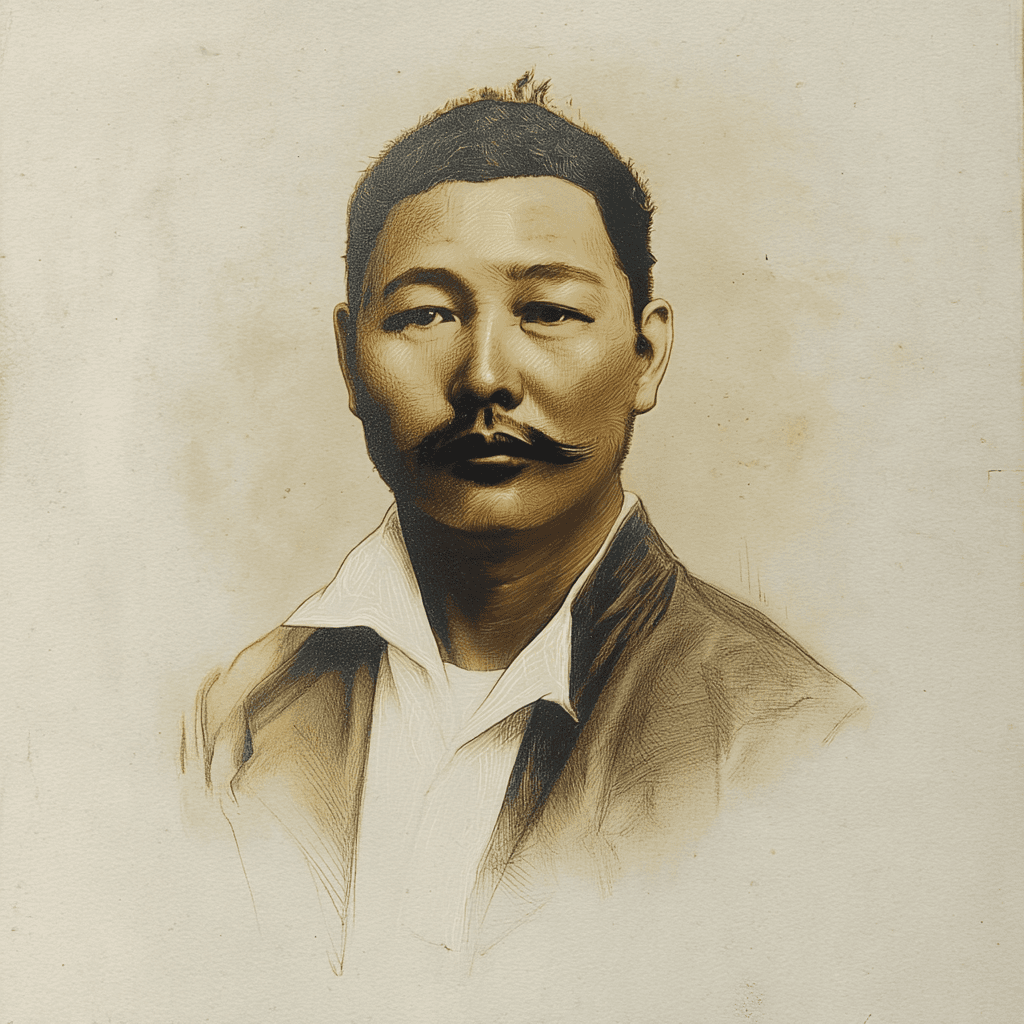
Lai He
Father of Taiwanese New Literature
Japanese Colonial
1894–1943
Lai He was born in 1894 in Changhua into a modest family and trained as a physician at the Medical School of the Taiwan Governor-General's Office. After a spell practising in Xiamen, he returned home to run a clinic in Changhua, where he treated the poor with such generosity that people called him a living Buddha. Deeply stirred by the political awakening of the 1920s, he joined the Taiwan Cultural Association and was imprisoned during the Chih-ching Incident of 1923. Turning to writing, he pioneered a plain vernacular literature rooted in Taiwanese life; his stories A Steelyard and The Festival exposed the everyday injustices of colonial rule with unflinching sympathy. As editor of the literary pages of the Taiwan Minpao, he mentored and published a whole generation of younger writers, earning the title 'father of Taiwanese new literature.' He was jailed a second time in 1941, and his health broke under the strain. Lai He died in early 1943 at the age of forty-eight, remembered as both a healer of bodies and a conscience of his people.
Wrote A Steelyard and pioneered Taiwanese vernacular fiction
Edited the literary pages of the Taiwan Minpao
Father of Taiwanese New Literature
Lai He
Era
Japanese Colonial
Lifespan
1894–1943
Lai He was born in 1894 in Changhua into a modest family and trained as a physician at the Medical School of the Taiwan Governor-General's Office. After a spell practising in Xiamen, he returned home to run a clinic in Changhua, where he treated the poor with such generosity that people called him a living Buddha. Deeply stirred by the political awakening of the 1920s, he joined the Taiwan Cultural Association and was imprisoned during the Chih-ching Incident of 1923. Turning to writing, he pioneered a plain vernacular literature rooted in Taiwanese life; his stories A Steelyard and The Festival exposed the everyday injustices of colonial rule with unflinching sympathy. As editor of the literary pages of the Taiwan Minpao, he mentored and published a whole generation of younger writers, earning the title 'father of Taiwanese new literature.' He was jailed a second time in 1941, and his health broke under the strain. Lai He died in early 1943 at the age of forty-eight, remembered as both a healer of bodies and a conscience of his people.
Wrote A Steelyard and pioneered Taiwanese vernacular fiction
Edited the literary pages of the Taiwan Minpao