


Authoritarian Era
1901–1966
Li Wan-chu was born in 1901 in Kouhu, Yunlin, into a poor family, and lost his father young. In his twenties he went to Shanghai, then in 1926 to France, where he studied sociology at the University of Paris. Back in China, he did intelligence work for the Nationalist government's Institute of International Problems during the war with Japan — mainland experience that made him one of the so-called "half-mountain" Taiwanese after 1945.
He returned with the Chen Yi administration in 1945 and took over the Japanese-run Taiwan Shinpō, renaming it the Taiwan Hsin Sheng Pao and serving as its publisher. In 1946 he was elected to the Provincial Consultative Council and became its deputy speaker, under Speaker Huang Chao-chin. In October 1947 he founded a paper of his own, the Kung Lun Pao.
In the early martial-law years the Kung Lun Pao was one of the few papers still willing to print criticism of the government. Li sat in the provincial assembly for twenty years, a relentless questioner, counted with Kuo Kuo-chi, Kuo Yu-hsin, Li Yuan-chan, Wu San-lien and Hsu Shih-hsien among the "Five Dragons and One Phoenix." In 1960 he joined Lei Chen, Kao Yu-shu, Kuo Yu-hsin and others in organizing the China Democratic Party; when Lei was arrested that September, the effort stopped. The Taiwanese participants were not prosecuted.
The paper was another matter. In 1961 a dispute over its shares went to court, and the ruling handed control to others. He lost the paper he had run for fourteen years. He died in 1966, aged sixty-four, before his assembly term was over.
1947 Founded the Kung Lun Pao
1960 Helped organize the China Democratic Party with Lei Chen
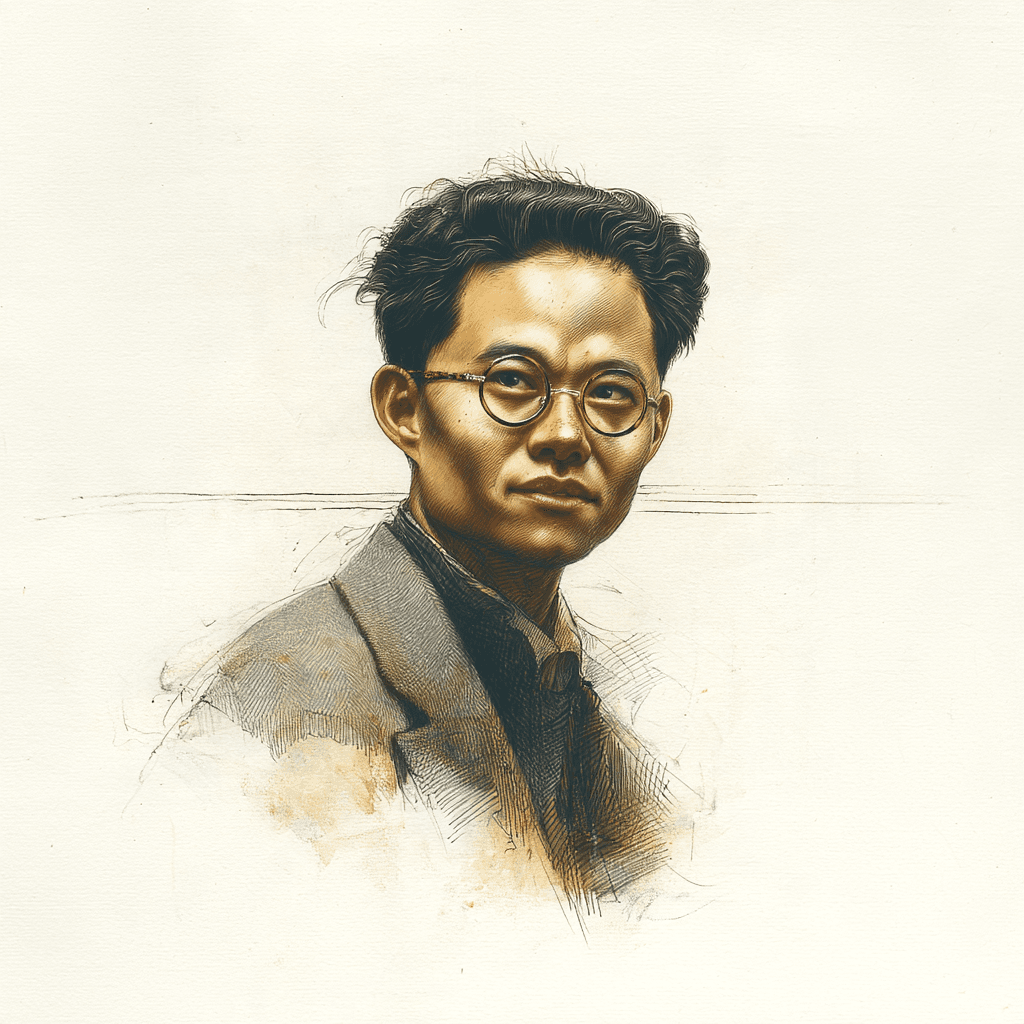
Li Wan-chu
Founder of the Kung Lun Pao
Era
Authoritarian Era
Lifespan
1901–1966
Li Wan-chu was born in 1901 in Kouhu, Yunlin, into a poor family, and lost his father young. In his twenties he went to Shanghai, then in 1926 to France, where he studied sociology at the University of Paris. Back in China, he did intelligence work for the Nationalist government's Institute of International Problems during the war with Japan — mainland experience that made him one of the so-called "half-mountain" Taiwanese after 1945.
He returned with the Chen Yi administration in 1945 and took over the Japanese-run Taiwan Shinpō, renaming it the Taiwan Hsin Sheng Pao and serving as its publisher. In 1946 he was elected to the Provincial Consultative Council and became its deputy speaker, under Speaker Huang Chao-chin. In October 1947 he founded a paper of his own, the Kung Lun Pao.
In the early martial-law years the Kung Lun Pao was one of the few papers still willing to print criticism of the government. Li sat in the provincial assembly for twenty years, a relentless questioner, counted with Kuo Kuo-chi, Kuo Yu-hsin, Li Yuan-chan, Wu San-lien and Hsu Shih-hsien among the "Five Dragons and One Phoenix." In 1960 he joined Lei Chen, Kao Yu-shu, Kuo Yu-hsin and others in organizing the China Democratic Party; when Lei was arrested that September, the effort stopped. The Taiwanese participants were not prosecuted.
The paper was another matter. In 1961 a dispute over its shares went to court, and the ruling handed control to others. He lost the paper he had run for fourteen years. He died in 1966, aged sixty-four, before his assembly term was over.
1947 Founded the Kung Lun Pao
1960 Helped organize the China Democratic Party with Lei Chen