

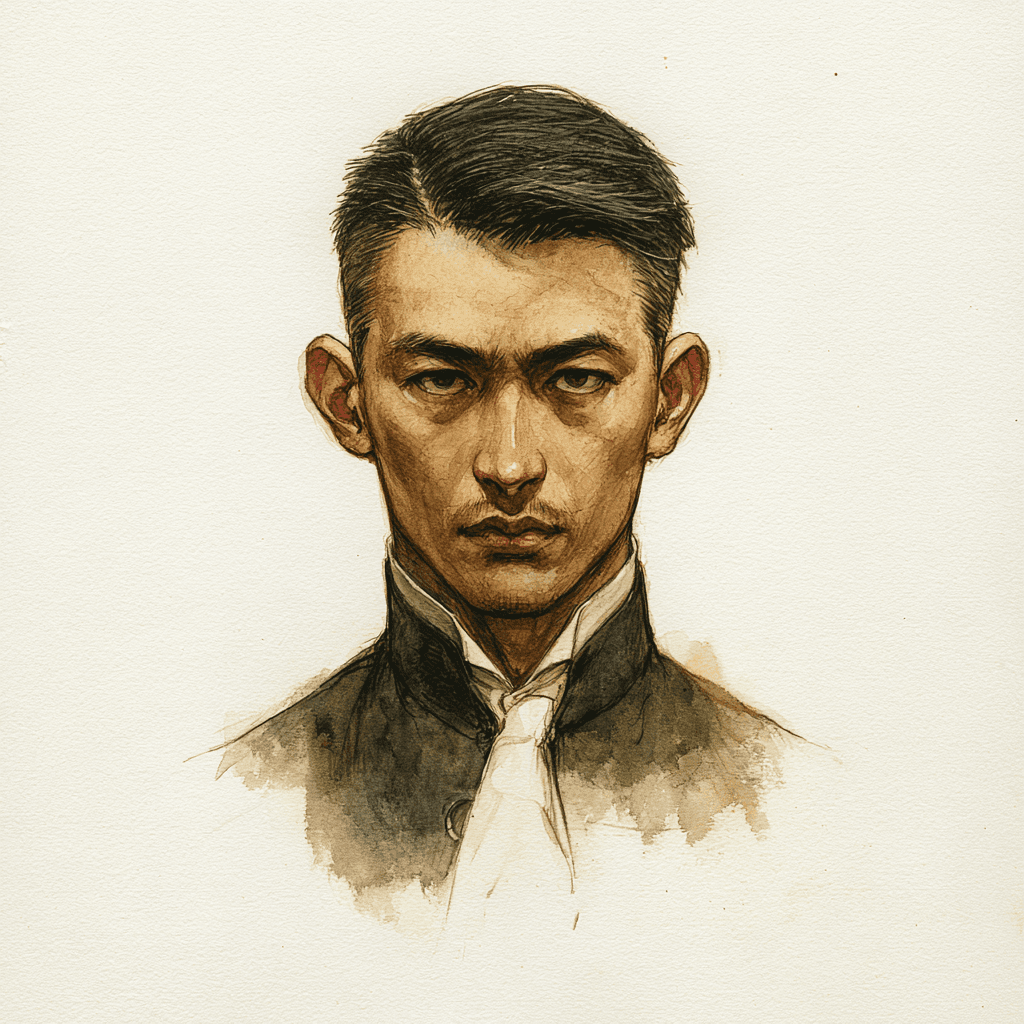
Lien Wen-ching
Left-Wing Leader of the Cultural Association
Japanese Rule
1894–1957
Lien Wen-ching (1894–1957), born in Taipei, was an important driving force of Taiwan's early socialist movement and a pioneer of the Esperanto movement on the island. Of humble origins, he absorbed socialist and internationalist ideas largely through self-study, and he energetically promoted Esperanto in the hope that a common language might foster solidarity among oppressed peoples. In the 1920s he devoted himself to the enlightenment and mass work of the Taiwanese Cultural Association, arguing that the movement should shift from the petition-based path of the gentry toward the class struggle of workers and peasants. When the Cultural Association split in 1927 over differences of line, he and other leftists such as Wang Min-chuan seized the leadership, transforming the association into a socialist-leaning mass organization and promoting labour activism, peasant unions and youth movements; he was a key figure in moving Taiwan's left-wing movement from ideas to organization. He was gradually pushed from the centre of the movement amid factional struggles within the left and the increasingly severe repression of the colonial authorities. After the war he was not active in politics, turning instead to the compilation of documents and the writing of memoirs, leaving important records of the social movements of the Japanese period. He died in Taiwan in 1957 and is regarded as one of the most representative native thinkers of Taiwan's early socialist thought.
1920s Promoted Esperanto and the socialist movement
1927 Led the left wing in taking over the Cultural Association
Left-Wing Leader of the Cultural Association
Lien Wen-ching
Era
Japanese Rule
Lifespan
1894–1957
Lien Wen-ching (1894–1957), born in Taipei, was an important driving force of Taiwan's early socialist movement and a pioneer of the Esperanto movement on the island. Of humble origins, he absorbed socialist and internationalist ideas largely through self-study, and he energetically promoted Esperanto in the hope that a common language might foster solidarity among oppressed peoples. In the 1920s he devoted himself to the enlightenment and mass work of the Taiwanese Cultural Association, arguing that the movement should shift from the petition-based path of the gentry toward the class struggle of workers and peasants. When the Cultural Association split in 1927 over differences of line, he and other leftists such as Wang Min-chuan seized the leadership, transforming the association into a socialist-leaning mass organization and promoting labour activism, peasant unions and youth movements; he was a key figure in moving Taiwan's left-wing movement from ideas to organization. He was gradually pushed from the centre of the movement amid factional struggles within the left and the increasingly severe repression of the colonial authorities. After the war he was not active in politics, turning instead to the compilation of documents and the writing of memoirs, leaving important records of the social movements of the Japanese period. He died in Taiwan in 1957 and is regarded as one of the most representative native thinkers of Taiwan's early socialist thought.
1920s Promoted Esperanto and the socialist movement
1927 Led the left wing in taking over the Cultural Association