

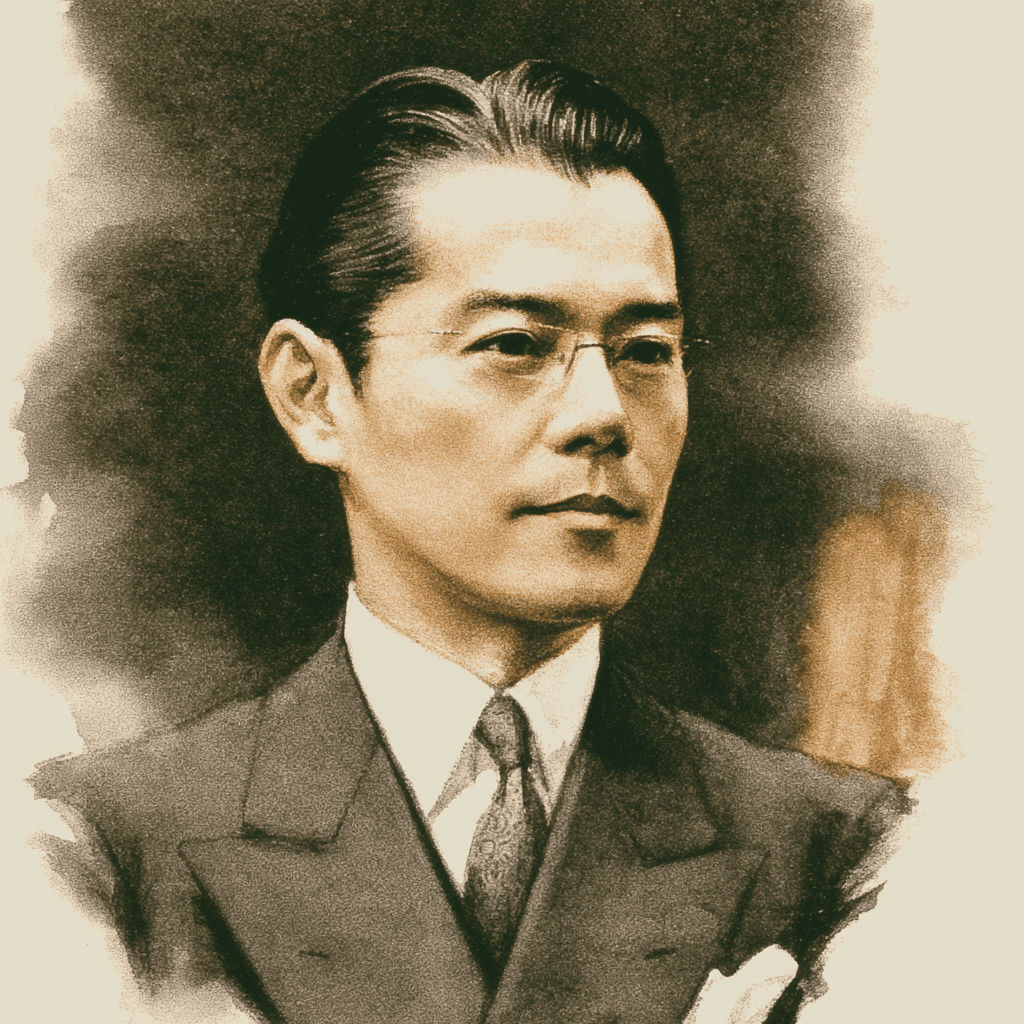
Liao Wen-yi
Pioneer of the Overseas Taiwan Independence Movement
Post-War Taiwan
1910–1986
Liao Wen-yi, born in 1910 into a prominent family in Xiluo, Yunlin, was a founding figure of the overseas Taiwan independence movement after the war. He studied in China and the United States, earning a doctorate in chemical engineering from Ohio State University, a classic Western-trained high intellectual. After World War II he initially hoped to take part in the new order, engaging in public affairs and standing for election. The suppression of the February 28 Incident in 1947 shattered his hopes, and he came to argue that Taiwan's future should be decided by its own people, even under United Nations trusteeship. He then went into exile, organizing the League for the Re-liberation of Taiwan in Hong Kong in 1948 and bringing the independence cause onto the international stage. In the 1950s he moved to Tokyo, continuing to rally overseas Taiwanese. In 1956 he proclaimed in Tokyo the Provisional Government of the Republic of Taiwan and took office as its president — the first overseas independence organization in governmental form after the war. Through publications and diplomatic activity he promoted Taiwanese independence to the international community, becoming the Nationalist government's foremost overseas dissident. Yet under the authorities' pressure on and arrest of his relatives in Taiwan, and amid internal divisions in the movement, he returned to Taiwan in 1965 and publicly renounced independence — a move that made his later reputation deeply contested. He withdrew from politics after his return and died in Taipei in 1986. Liao is seen as the founder of the post-war overseas independence movement, and his winding path from Western-trained elite to exiled leader to returning compromiser is an important case for understanding post-war Taiwanese identity and the history of overseas dissent.
Founded the Provisional Government of the Republic of Taiwan as its president (1956)
Returned to Taiwan and renounced independence under pressure (1965)
Pioneer of the Overseas Taiwan Independence Movement
Liao Wen-yi
Era
Post-War Taiwan
Lifespan
1910–1986
Liao Wen-yi, born in 1910 into a prominent family in Xiluo, Yunlin, was a founding figure of the overseas Taiwan independence movement after the war. He studied in China and the United States, earning a doctorate in chemical engineering from Ohio State University, a classic Western-trained high intellectual. After World War II he initially hoped to take part in the new order, engaging in public affairs and standing for election. The suppression of the February 28 Incident in 1947 shattered his hopes, and he came to argue that Taiwan's future should be decided by its own people, even under United Nations trusteeship. He then went into exile, organizing the League for the Re-liberation of Taiwan in Hong Kong in 1948 and bringing the independence cause onto the international stage. In the 1950s he moved to Tokyo, continuing to rally overseas Taiwanese. In 1956 he proclaimed in Tokyo the Provisional Government of the Republic of Taiwan and took office as its president — the first overseas independence organization in governmental form after the war. Through publications and diplomatic activity he promoted Taiwanese independence to the international community, becoming the Nationalist government's foremost overseas dissident. Yet under the authorities' pressure on and arrest of his relatives in Taiwan, and amid internal divisions in the movement, he returned to Taiwan in 1965 and publicly renounced independence — a move that made his later reputation deeply contested. He withdrew from politics after his return and died in Taipei in 1986. Liao is seen as the founder of the post-war overseas independence movement, and his winding path from Western-trained elite to exiled leader to returning compromiser is an important case for understanding post-war Taiwanese identity and the history of overseas dissent.
Founded the Provisional Government of the Republic of Taiwan as its president (1956)
Returned to Taiwan and renounced independence under pressure (1965)