

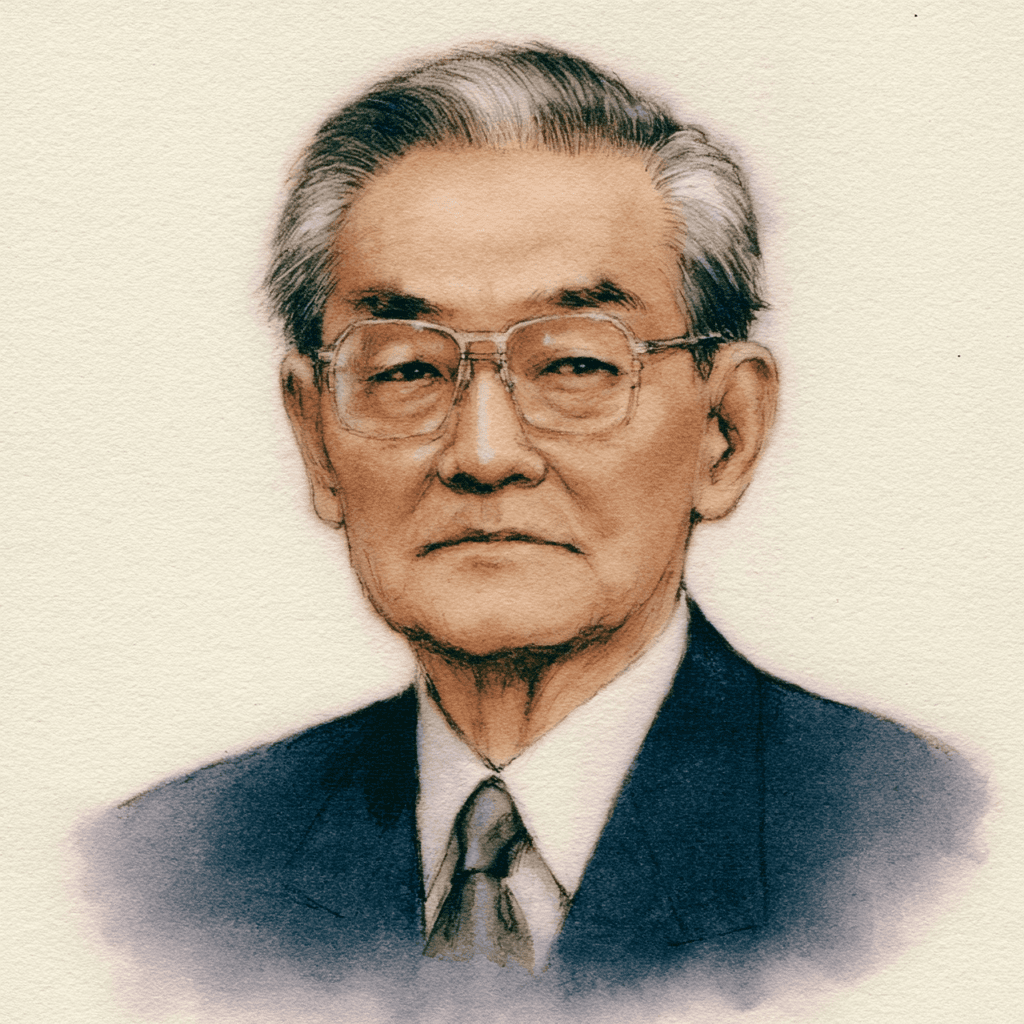
Lien Chan
Vice President & KMT Chairman
Democratic Transition / Modern Taiwan
1936–
Lien Chan, born in 1936 in Xi'an to Taiwanese mainlander parents during the Sino-Japanese War, is a senior KMT statesman who served as Vice President under Lee Teng-hui and as the first KMT chairman to meet a Chinese Communist Party leader in nearly six decades. He is the grandson of the historian Lien Heng (連橫), author of the classical General History of Taiwan (臺灣通史), and his father Lien Chen-tung was an early Taiwanese member of the KMT central leadership. The family returned to Taiwan after Japan's surrender, and Lien received his early education on the island before earning his bachelor's at National Taiwan University and his doctorate in political science at the University of Chicago. He returned to Taiwan as a professor at NTU and was recruited into the foreign-service track of the KMT in the 1970s, serving as ambassador to El Salvador in 1975 and then in successive ministerial positions. He served as Foreign Minister, Governor of Taiwan Province, and Premier through the early 1990s, building a record as a competent technocrat with deep KMT institutional roots. He was elected Vice President in 1996 as Lee Teng-hui's running mate in Taiwan's first direct presidential election and held the position through Lee's second term until 2000. He ran for president as the KMT nominee in 2000 but finished a humiliating third behind Chen Shui-bian and James Soong, with the pan-Blue vote fatally split. As KMT chairman from 2000, he ran again in 2004 with Soong as his vice-presidential candidate, losing in the closest presidential race in Taiwanese history after the still-disputed shooting of Chen Shui-bian the day before the vote. In April 2005 he led a KMT delegation to Beijing in the first formal visit by a KMT chairman to mainland China and held a high-profile meeting with CCP General Secretary Hu Jintao, opening regularized KMT-CCP party-to-party contacts. The Lien-Hu framework established the political foundation for Ma Ying-jeou's later cross-strait normalization and entrenched a pattern of party-to-party cross-strait diplomacy that would persist into the 2020s. He stepped down as KMT chairman in 2005 and has since served in various honorary capacities, attending PLA military parades and meeting subsequent PRC leaders into his eighties. Lien is generally remembered as the bridge between the late-Chiang KMT and the post-millennial cross-strait engagement framework, a figure whose 2005 Beijing visit redefined the institutional limits of cross-strait political contact.
Historic visit to mainland China as KMT chairman (2005)
Vice President & KMT Chairman
Lien Chan
Era
Democratic Transition / Modern Taiwan
Lifespan
1936–
Lien Chan, born in 1936 in Xi'an to Taiwanese mainlander parents during the Sino-Japanese War, is a senior KMT statesman who served as Vice President under Lee Teng-hui and as the first KMT chairman to meet a Chinese Communist Party leader in nearly six decades. He is the grandson of the historian Lien Heng (連橫), author of the classical General History of Taiwan (臺灣通史), and his father Lien Chen-tung was an early Taiwanese member of the KMT central leadership. The family returned to Taiwan after Japan's surrender, and Lien received his early education on the island before earning his bachelor's at National Taiwan University and his doctorate in political science at the University of Chicago. He returned to Taiwan as a professor at NTU and was recruited into the foreign-service track of the KMT in the 1970s, serving as ambassador to El Salvador in 1975 and then in successive ministerial positions. He served as Foreign Minister, Governor of Taiwan Province, and Premier through the early 1990s, building a record as a competent technocrat with deep KMT institutional roots. He was elected Vice President in 1996 as Lee Teng-hui's running mate in Taiwan's first direct presidential election and held the position through Lee's second term until 2000. He ran for president as the KMT nominee in 2000 but finished a humiliating third behind Chen Shui-bian and James Soong, with the pan-Blue vote fatally split. As KMT chairman from 2000, he ran again in 2004 with Soong as his vice-presidential candidate, losing in the closest presidential race in Taiwanese history after the still-disputed shooting of Chen Shui-bian the day before the vote. In April 2005 he led a KMT delegation to Beijing in the first formal visit by a KMT chairman to mainland China and held a high-profile meeting with CCP General Secretary Hu Jintao, opening regularized KMT-CCP party-to-party contacts. The Lien-Hu framework established the political foundation for Ma Ying-jeou's later cross-strait normalization and entrenched a pattern of party-to-party cross-strait diplomacy that would persist into the 2020s. He stepped down as KMT chairman in 2005 and has since served in various honorary capacities, attending PLA military parades and meeting subsequent PRC leaders into his eighties. Lien is generally remembered as the bridge between the late-Chiang KMT and the post-millennial cross-strait engagement framework, a figure whose 2005 Beijing visit redefined the institutional limits of cross-strait political contact.
Historic visit to mainland China as KMT chairman (2005)