

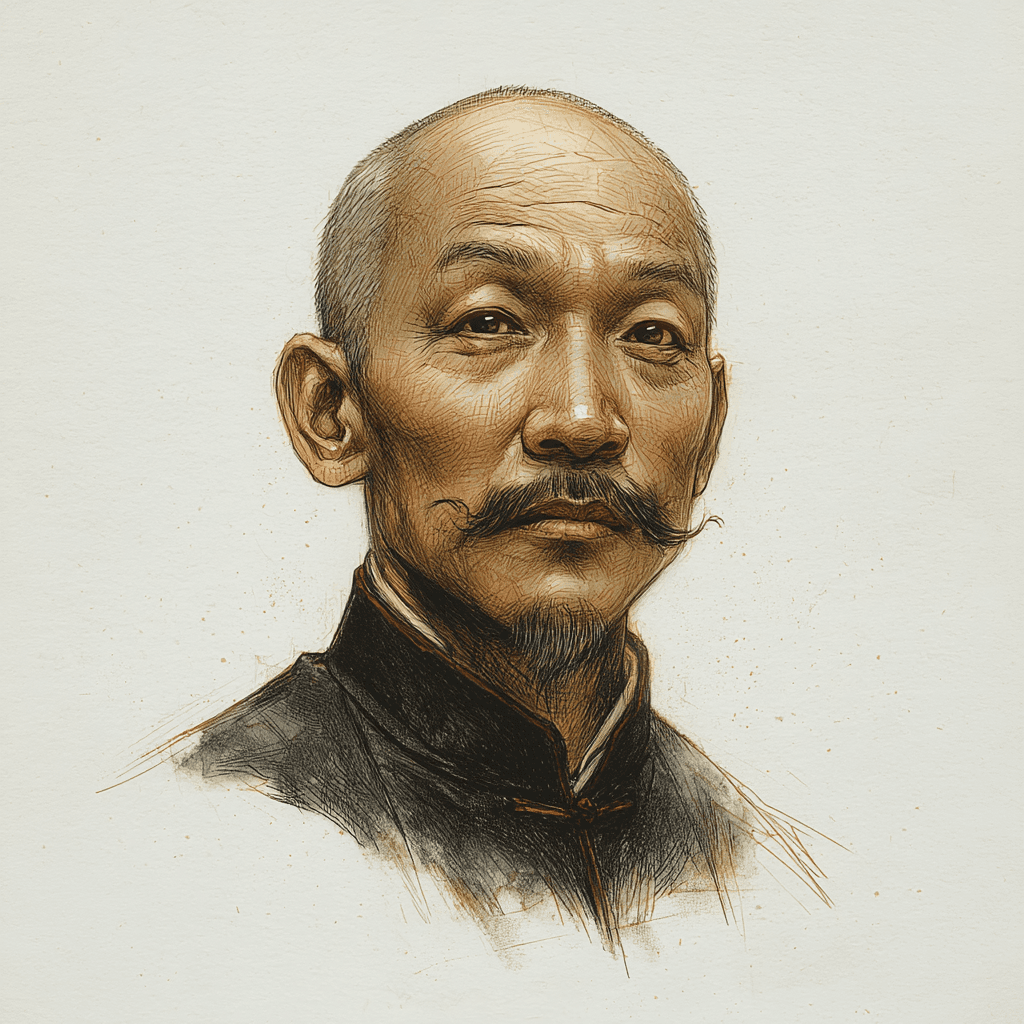
Lin Hsien-tang
Father of the Taiwanese Parliament
Japanese Rule
1881–1956
Lin Hsien-tang (1881–1956) was the leader of the prominent Lin family of Wufeng and is honored as the 'Father of the Taiwanese Parliament.' Born into one of Taiwan's wealthiest and most influential gentry families, he chose, after the island was ceded to Japan in 1895, to pursue political rights for Taiwanese people through moderate, gradual, and legal means rather than armed resistance. A famous meeting with the Chinese reformer Liang Qichao in Nara in 1907 reinforced his belief that Taiwan's path lay in lawful self-strengthening and alliance with sympathetic Japanese liberals. In 1921 he served as the managing director (sōri) of the newly founded Taiwanese Cultural Association, which became the central engine of cultural enlightenment and the national movement, organizing lectures, reading rooms, and cultural activities across the island. From 1921 to 1934 he led the Petition Movement for the Establishment of a Taiwanese Parliament, repeatedly petitioning the Japanese Diet for an elected representative assembly for Taiwan, a campaign that, though never fully successful, became the longest-running and most symbolic political movement of the colonial era. He also financed and supported the influential newspaper Taiwan Min Pao, providing a vital platform for Taiwanese voices. As a moderate he kept the movement on a constitutional, non-violent course even after the Cultural Association split along left-right lines in 1927, and he later helped sustain the Taiwanese People's Party and local self-government leagues. After the war, disillusioned by the February 28 Incident of 1947 and the political climate under the Kuomintang, he went into self-imposed exile in Tokyo, where he died in 1956. He is remembered as the foremost moderate leader of the Taiwanese national movement and the man who laid its political groundwork.
1907 Met the reformer Liang Qichao in Nara
1921 Became managing director of the Taiwanese Cultural Association
1921–34 Led the Petition Movement for the Establishment of a Taiwanese Parliament
1949 Went into self-imposed exile in Tokyo, where he died in 1956
Father of the Taiwanese Parliament
Lin Hsien-tang
Era
Japanese Rule
Lifespan
1881–1956
Lin Hsien-tang (1881–1956) was the leader of the prominent Lin family of Wufeng and is honored as the 'Father of the Taiwanese Parliament.' Born into one of Taiwan's wealthiest and most influential gentry families, he chose, after the island was ceded to Japan in 1895, to pursue political rights for Taiwanese people through moderate, gradual, and legal means rather than armed resistance. A famous meeting with the Chinese reformer Liang Qichao in Nara in 1907 reinforced his belief that Taiwan's path lay in lawful self-strengthening and alliance with sympathetic Japanese liberals. In 1921 he served as the managing director (sōri) of the newly founded Taiwanese Cultural Association, which became the central engine of cultural enlightenment and the national movement, organizing lectures, reading rooms, and cultural activities across the island. From 1921 to 1934 he led the Petition Movement for the Establishment of a Taiwanese Parliament, repeatedly petitioning the Japanese Diet for an elected representative assembly for Taiwan, a campaign that, though never fully successful, became the longest-running and most symbolic political movement of the colonial era. He also financed and supported the influential newspaper Taiwan Min Pao, providing a vital platform for Taiwanese voices. As a moderate he kept the movement on a constitutional, non-violent course even after the Cultural Association split along left-right lines in 1927, and he later helped sustain the Taiwanese People's Party and local self-government leagues. After the war, disillusioned by the February 28 Incident of 1947 and the political climate under the Kuomintang, he went into self-imposed exile in Tokyo, where he died in 1956. He is remembered as the foremost moderate leader of the Taiwanese national movement and the man who laid its political groundwork.
1907 Met the reformer Liang Qichao in Nara
1921 Became managing director of the Taiwanese Cultural Association
1921–34 Led the Petition Movement for the Establishment of a Taiwanese Parliament
1949 Went into self-imposed exile in Tokyo, where he died in 1956