

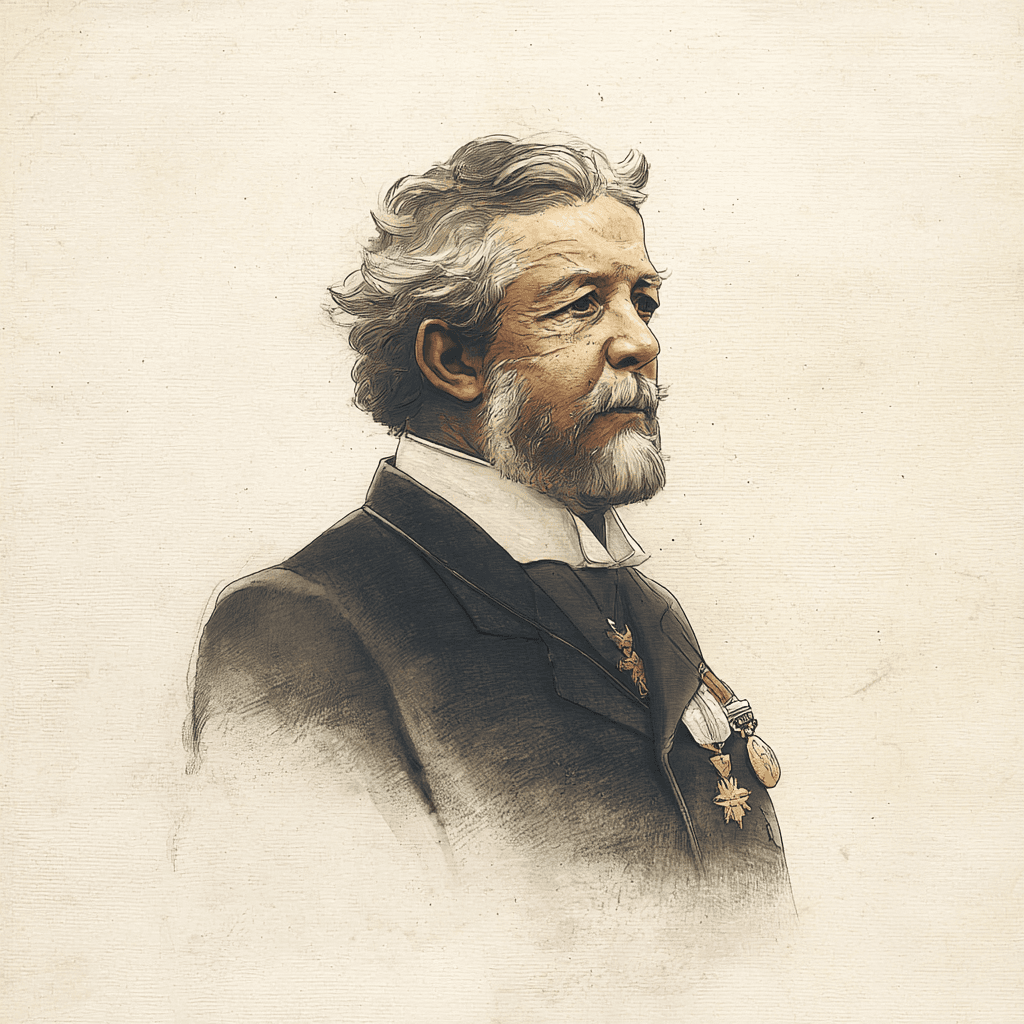
William Pickering
British Explorer and Customs Officer in Taiwan
Qing Dynasty
1840–1907
William Alexander Pickering, born in 1840 in England, served as an officer of the Imperial Chinese Maritime Customs in Taiwan from 1863 to 1872 and became one of the most intrepid foreign travelers of the island in the nineteenth century, acquiring a command of Hokkien and several indigenous languages that enabled him to venture into regions where no Westerner had previously gone, and later documenting his experiences in the vivid memoir Pioneering in Formosa (1898). He arrived at Tamsui as a young customs officer and immediately threw himself into the study of the local language with unusual intensity, becoming fluent in Taiwanese Hokkien within months and using this fluency to move freely through communities that were wary or hostile to foreign visitors. Pickering traveled extensively along the western plains, the eastern coast, and the mountainous interior of Taiwan, visiting indigenous settlements of Atayal, Amis, and Siraya peoples, trading with local communities, and gathering detailed observations on geography, agriculture, natural resources, and social customs that he recorded in diaries and letters. He was involved in several dramatic incidents during his years in Taiwan, including an encounter with indigenous warriors in which he survived an attempted ambush, and a period when he was employed by local merchants to suppress the camphor trade disputes that frequently erupted into violent conflict between Han settlers and the mountain communities who controlled camphor-producing territories. Pickering also played a role in some of the diplomatic incidents of the period, serving as an interpreter in negotiations involving shipwreck cases and indigenous land rights, and providing firsthand testimony to British consular officials on the state of indigenous communities in the interior. He left Taiwan around 1872 and went on to a distinguished career in the Straits Settlements, eventually becoming the first Protector of Chinese in Singapore and Penang, where he applied the language skills and cross-cultural experience he had developed in Taiwan to the protection of Chinese immigrant laborers from exploitation by employers and secret societies. His memoir Pioneering in Formosa, published in 1898 after his retirement, compiled his Taiwan observations into a vivid narrative that remains one of the most readable and detailed firsthand accounts of the island's interior in the mid-nineteenth century, covering topics ranging from headhunting practices and camphor production to the workings of the Qing customs service and the character of the Tamsui port community. Pickering died in 1907, having lived long enough to see Taiwan pass from Qing to Japanese rule and to reflect on the dramatic changes that had transformed the island he had known in its most turbulent frontier years. His Hokkien fluency, physical courage, and genuine curiosity about the communities he encountered set him apart from most foreign officials of his era, and his writings provide a perspective on mid-nineteenth-century Taiwan — simultaneously administrative, adventurous, and ethnographic — that no other source of the period can fully replicate. Pickering is generally regarded as one of the most significant foreign witnesses to Taiwan's final decades under Qing rule, a man whose firsthand knowledge of the island's interior was unmatched among Western visitors of his time.
Traveled Taiwan's interior in the 1860s, reaching indigenous settlements no Westerner had previously visited and recording detailed observations on society and geography
Published Pioneering in Formosa (1898), one of the most detailed English firsthand accounts of mid-nineteenth-century Taiwan
British Explorer and Customs Officer in Taiwan
William Pickering
Era
Qing Dynasty
Lifespan
1840–1907
William Alexander Pickering, born in 1840 in England, served as an officer of the Imperial Chinese Maritime Customs in Taiwan from 1863 to 1872 and became one of the most intrepid foreign travelers of the island in the nineteenth century, acquiring a command of Hokkien and several indigenous languages that enabled him to venture into regions where no Westerner had previously gone, and later documenting his experiences in the vivid memoir Pioneering in Formosa (1898). He arrived at Tamsui as a young customs officer and immediately threw himself into the study of the local language with unusual intensity, becoming fluent in Taiwanese Hokkien within months and using this fluency to move freely through communities that were wary or hostile to foreign visitors. Pickering traveled extensively along the western plains, the eastern coast, and the mountainous interior of Taiwan, visiting indigenous settlements of Atayal, Amis, and Siraya peoples, trading with local communities, and gathering detailed observations on geography, agriculture, natural resources, and social customs that he recorded in diaries and letters. He was involved in several dramatic incidents during his years in Taiwan, including an encounter with indigenous warriors in which he survived an attempted ambush, and a period when he was employed by local merchants to suppress the camphor trade disputes that frequently erupted into violent conflict between Han settlers and the mountain communities who controlled camphor-producing territories. Pickering also played a role in some of the diplomatic incidents of the period, serving as an interpreter in negotiations involving shipwreck cases and indigenous land rights, and providing firsthand testimony to British consular officials on the state of indigenous communities in the interior. He left Taiwan around 1872 and went on to a distinguished career in the Straits Settlements, eventually becoming the first Protector of Chinese in Singapore and Penang, where he applied the language skills and cross-cultural experience he had developed in Taiwan to the protection of Chinese immigrant laborers from exploitation by employers and secret societies. His memoir Pioneering in Formosa, published in 1898 after his retirement, compiled his Taiwan observations into a vivid narrative that remains one of the most readable and detailed firsthand accounts of the island's interior in the mid-nineteenth century, covering topics ranging from headhunting practices and camphor production to the workings of the Qing customs service and the character of the Tamsui port community. Pickering died in 1907, having lived long enough to see Taiwan pass from Qing to Japanese rule and to reflect on the dramatic changes that had transformed the island he had known in its most turbulent frontier years. His Hokkien fluency, physical courage, and genuine curiosity about the communities he encountered set him apart from most foreign officials of his era, and his writings provide a perspective on mid-nineteenth-century Taiwan — simultaneously administrative, adventurous, and ethnographic — that no other source of the period can fully replicate. Pickering is generally regarded as one of the most significant foreign witnesses to Taiwan's final decades under Qing rule, a man whose firsthand knowledge of the island's interior was unmatched among Western visitors of his time.
Traveled Taiwan's interior in the 1860s, reaching indigenous settlements no Westerner had previously visited and recording detailed observations on society and geography
Published Pioneering in Formosa (1898), one of the most detailed English firsthand accounts of mid-nineteenth-century Taiwan