

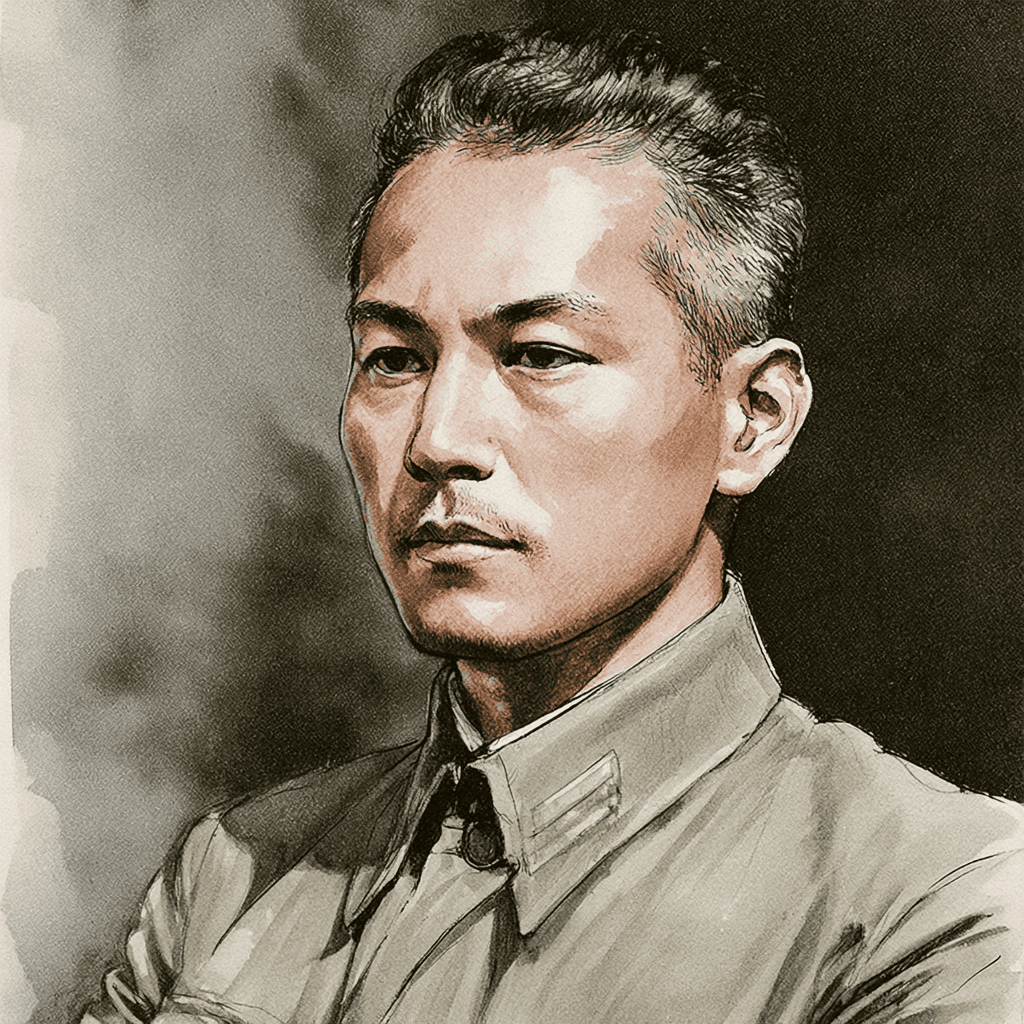
Sun Li-jen
Army General
Authoritarian Era
1900–1990
Sun Li-jen, born in 1900 in Lujiang, Anhui, was a decorated World War II general who was nonetheless kept under house arrest for decades after the war — a deeply controversial figure. He graduated from Tsinghua College before studying in the United States, first in civil engineering and then at the Virginia Military Institute, making him one of the few Chinese generals with a Western education. During the war against Japan he led newly formed units in major battles such as the Battle of Shanghai, known for strict discipline and flexible tactics. In 1942 he led troops on the Burma expedition, and at the Battle of Yenangyaung he drove back Japanese forces and rescued encircled British troops, winning international acclaim. In the later war years he commanded the New First Army in northern Burma, repeatedly distinguishing himself and being hailed as one of China's finest field commanders. Toward the end of the Chinese Civil War he came to Taiwan with the government, charged with retraining the army, establishing a training base at Fengshan and serving successively as commander-in-chief of the army and chief aide to the president. Yet his close ties to the Americans and his prestige within the military gradually made him an object of the authorities' suspicion. In 1955 the "Sun Li-jen Case" erupted, in which he was accused of involvement in a mutiny plot by his subordinates and was dismissed and investigated. He was thereafter kept under house arrest at his Taichung residence, cut off from the outside world for thirty-three years, until his freedom was restored only in 1988. He died in Taichung in 1990, having maintained his innocence to the end. Sun's fate is seen as a classic case of military purges and leadership suspicion during the authoritarian era, and both his achievements and his injustice remain focal points in the study of modern Taiwanese history.
Placed under house arrest for over three decades in the "Sun Li-jen Case" (1955–1988)
Relief of Yenangyaung on the Burma front in WWII
Army General
Sun Li-jen
Era
Authoritarian Era
Lifespan
1900–1990
Sun Li-jen, born in 1900 in Lujiang, Anhui, was a decorated World War II general who was nonetheless kept under house arrest for decades after the war — a deeply controversial figure. He graduated from Tsinghua College before studying in the United States, first in civil engineering and then at the Virginia Military Institute, making him one of the few Chinese generals with a Western education. During the war against Japan he led newly formed units in major battles such as the Battle of Shanghai, known for strict discipline and flexible tactics. In 1942 he led troops on the Burma expedition, and at the Battle of Yenangyaung he drove back Japanese forces and rescued encircled British troops, winning international acclaim. In the later war years he commanded the New First Army in northern Burma, repeatedly distinguishing himself and being hailed as one of China's finest field commanders. Toward the end of the Chinese Civil War he came to Taiwan with the government, charged with retraining the army, establishing a training base at Fengshan and serving successively as commander-in-chief of the army and chief aide to the president. Yet his close ties to the Americans and his prestige within the military gradually made him an object of the authorities' suspicion. In 1955 the "Sun Li-jen Case" erupted, in which he was accused of involvement in a mutiny plot by his subordinates and was dismissed and investigated. He was thereafter kept under house arrest at his Taichung residence, cut off from the outside world for thirty-three years, until his freedom was restored only in 1988. He died in Taichung in 1990, having maintained his innocence to the end. Sun's fate is seen as a classic case of military purges and leadership suspicion during the authoritarian era, and both his achievements and his injustice remain focal points in the study of modern Taiwanese history.
Placed under house arrest for over three decades in the "Sun Li-jen Case" (1955–1988)
Relief of Yenangyaung on the Burma front in WWII