

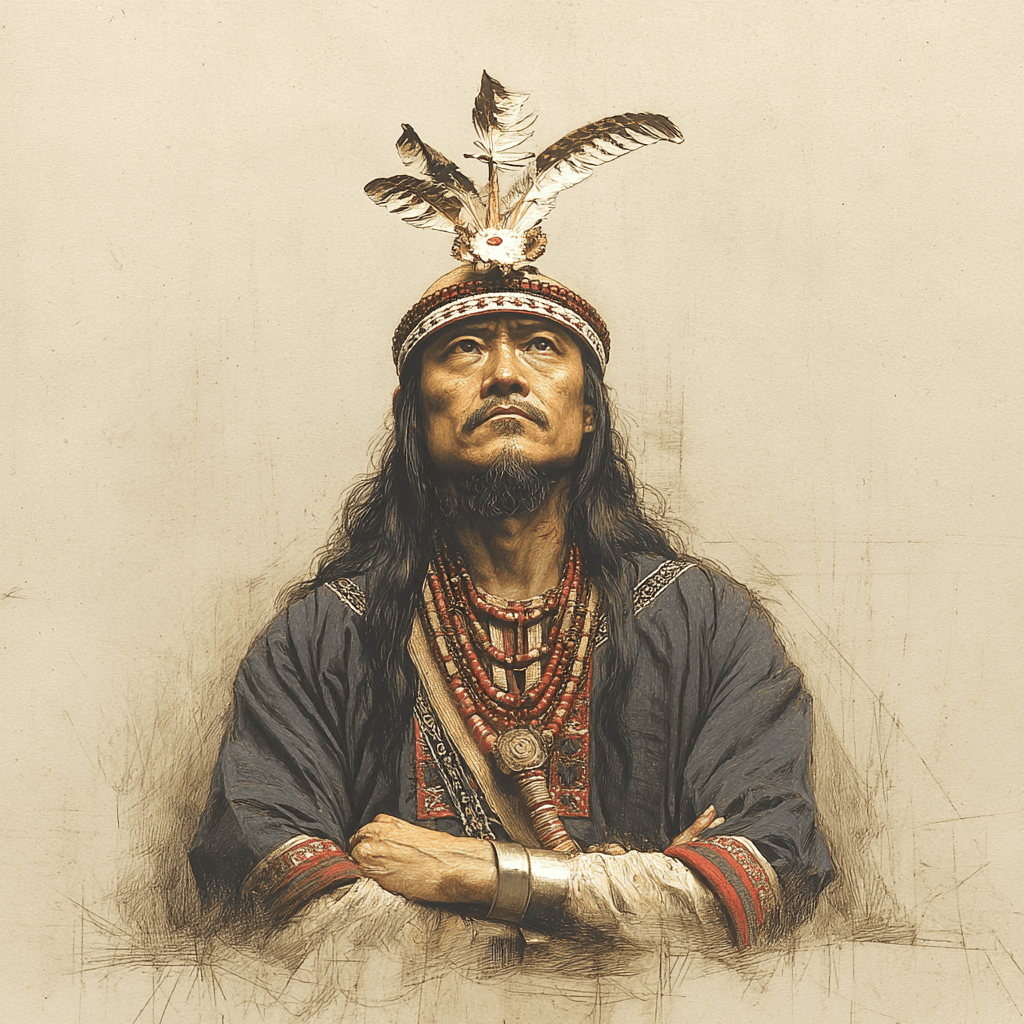
Tauketok
Chief of the Seqalu Confederation
Qing Dynasty
?–1874
Tauketok, known in contemporary Western sources as Tokitok, was the paramount chief of the Seqalu (斯卡羅) confederation, a political alliance of Paiwan-speaking groups that controlled the Hengchun Peninsula at the southern tip of Taiwan during the mid-nineteenth century. The Seqalu occupied a strategically critical stretch of coastline where foreign vessels frequently ran aground on the rocky shores near South Cape, and Tauketok's authority over the fate of shipwreck survivors made him the most consequential indigenous political figure on the island in dealings with Western powers. In March 1867, the American merchant brig Rover was wrecked on the South Cape shore and its captain and wife were killed by men under Seqalu jurisdiction, setting off a diplomatic crisis that would define Tauketok's historical legacy. United States Consul Charles Le Gendre traveled to the Hengchun Peninsula that autumn to negotiate directly with Tauketok, bypassing Qing authorities who openly admitted they had no effective control over the indigenous south. After weeks of deliberation, Tauketok and Le Gendre concluded the South Cape Agreement (南岬之盟) in October 1867 — an informal but landmark compact in which Tauketok agreed not to harm the crews of foreign vessels that flew their flags to identify themselves, in exchange for recognition of Seqalu sovereignty over the peninsula. This agreement was the first recorded treaty negotiated between a Taiwanese indigenous polity and a Western power, and it operated effectively for nearly a decade without a single violation. Le Gendre wrote admiringly of Tauketok as a sovereign ruler whose word was law across a territory the Qing state could not enter, a portrayal that shaped how foreign observers understood indigenous governance in Taiwan. The arrangement also exposed the limits of Qing jurisdiction over the island's interior and southern coast, a structural reality that Le Gendre documented in his influential 1871 memoir and that later informed Japanese strategic thinking about Taiwan. In 1874, Japan launched a punitive expedition against the Mudan villages following the massacre of Ryukyuan castaways in 1871, an incident in a neighboring territory where Seqalu authority was disputed; Tauketok did not lead forces against the Japanese but was drawn into the diplomatic aftermath. The Japanese expedition resulted in China paying an indemnity and implicitly acknowledging Japan's claim over the Ryukyus — a geopolitical shift made possible in part by the precedent of indigenous autonomy the South Cape Agreement had established. Tauketok died around 1874, leaving his confederation to face accelerating Qing military expansion into the peninsula that followed the Mudan Incident, when China finally moved to assert formal control over southern Taiwan. His story was dramatized in the 2021 Taiwanese television series Seqalu: Formosa 1867, which brought his negotiation with Le Gendre to a broad contemporary audience. Tauketok is widely recognized as the most diplomatically significant indigenous leader in nineteenth-century Taiwan, the man who negotiated the island's first international agreement and defined the boundaries of indigenous sovereignty on the eve of colonial transformation.
Concluded the South Cape Agreement with US Consul Le Gendre (1867), the first treaty between a Taiwanese indigenous polity and a Western power
His established sovereignty over the Hengchun Peninsula formed the diplomatic backdrop to Japan's 1874 punitive expedition
Chief of the Seqalu Confederation
Tauketok
Era
Qing Dynasty
Lifespan
?–1874
Tauketok, known in contemporary Western sources as Tokitok, was the paramount chief of the Seqalu (斯卡羅) confederation, a political alliance of Paiwan-speaking groups that controlled the Hengchun Peninsula at the southern tip of Taiwan during the mid-nineteenth century. The Seqalu occupied a strategically critical stretch of coastline where foreign vessels frequently ran aground on the rocky shores near South Cape, and Tauketok's authority over the fate of shipwreck survivors made him the most consequential indigenous political figure on the island in dealings with Western powers. In March 1867, the American merchant brig Rover was wrecked on the South Cape shore and its captain and wife were killed by men under Seqalu jurisdiction, setting off a diplomatic crisis that would define Tauketok's historical legacy. United States Consul Charles Le Gendre traveled to the Hengchun Peninsula that autumn to negotiate directly with Tauketok, bypassing Qing authorities who openly admitted they had no effective control over the indigenous south. After weeks of deliberation, Tauketok and Le Gendre concluded the South Cape Agreement (南岬之盟) in October 1867 — an informal but landmark compact in which Tauketok agreed not to harm the crews of foreign vessels that flew their flags to identify themselves, in exchange for recognition of Seqalu sovereignty over the peninsula. This agreement was the first recorded treaty negotiated between a Taiwanese indigenous polity and a Western power, and it operated effectively for nearly a decade without a single violation. Le Gendre wrote admiringly of Tauketok as a sovereign ruler whose word was law across a territory the Qing state could not enter, a portrayal that shaped how foreign observers understood indigenous governance in Taiwan. The arrangement also exposed the limits of Qing jurisdiction over the island's interior and southern coast, a structural reality that Le Gendre documented in his influential 1871 memoir and that later informed Japanese strategic thinking about Taiwan. In 1874, Japan launched a punitive expedition against the Mudan villages following the massacre of Ryukyuan castaways in 1871, an incident in a neighboring territory where Seqalu authority was disputed; Tauketok did not lead forces against the Japanese but was drawn into the diplomatic aftermath. The Japanese expedition resulted in China paying an indemnity and implicitly acknowledging Japan's claim over the Ryukyus — a geopolitical shift made possible in part by the precedent of indigenous autonomy the South Cape Agreement had established. Tauketok died around 1874, leaving his confederation to face accelerating Qing military expansion into the peninsula that followed the Mudan Incident, when China finally moved to assert formal control over southern Taiwan. His story was dramatized in the 2021 Taiwanese television series Seqalu: Formosa 1867, which brought his negotiation with Le Gendre to a broad contemporary audience. Tauketok is widely recognized as the most diplomatically significant indigenous leader in nineteenth-century Taiwan, the man who negotiated the island's first international agreement and defined the boundaries of indigenous sovereignty on the eve of colonial transformation.
Concluded the South Cape Agreement with US Consul Le Gendre (1867), the first treaty between a Taiwanese indigenous polity and a Western power
His established sovereignty over the Hengchun Peninsula formed the diplomatic backdrop to Japan's 1874 punitive expedition