

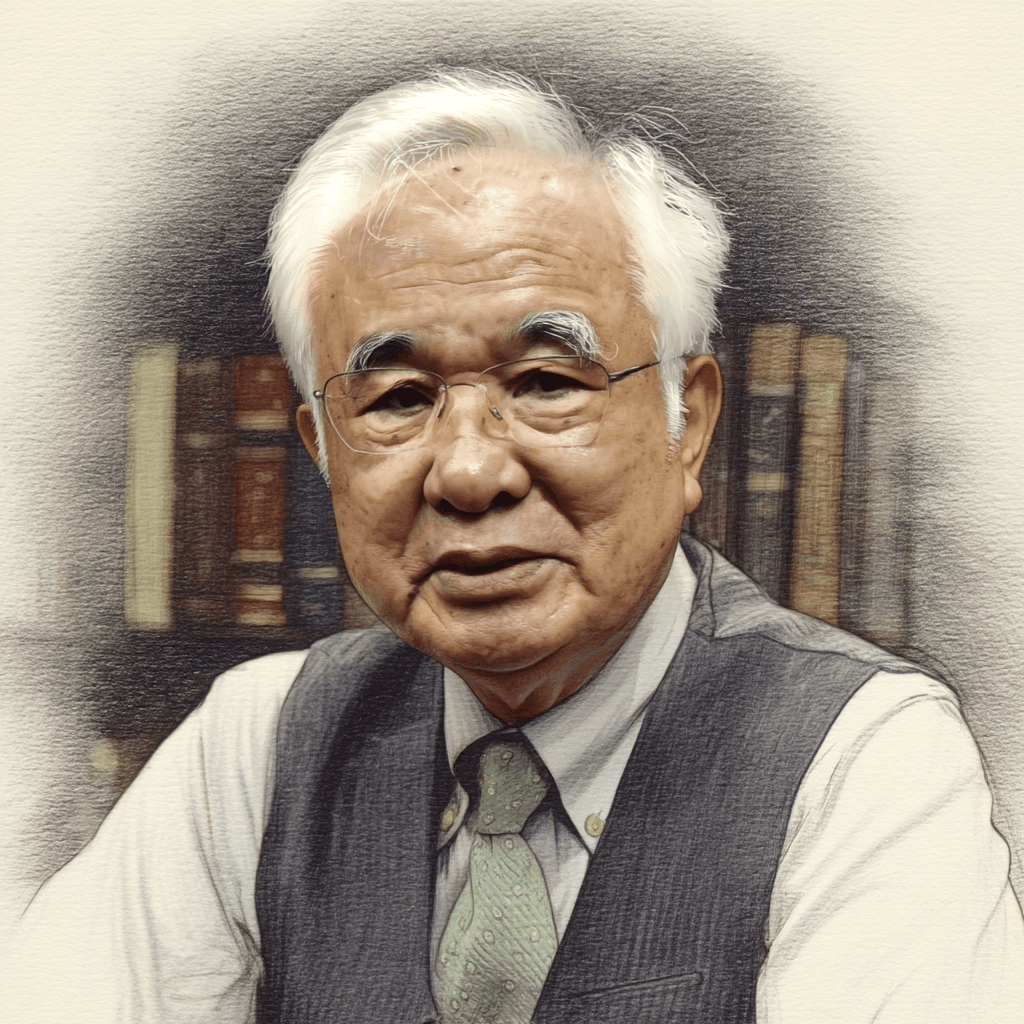
Yao Chia-wen
Kaohsiung Incident Prisoner & Writer
Democratic Transition
1938–
Yao Chia-wen, born in 1938 in Changhua, is a representative figure in Taiwan's democracy movement who combined the roles of lawyer, writer, and statesman. He graduated in law from National Taiwan University and, after qualifying, practiced with a long-standing concern for judicial reform and human rights. In the 1970s he joined the tangwai movement and contributed to publications such as Taiwan Political Review, becoming one of the camp's important writers. With Lin Yi-hsiung he co-authored works such as "The Tiger Falls to the Plain," documenting election lawsuits and judicial injustice and drawing public attention. When the Kaohsiung Incident broke out in 1979 he was among the principal participants and was sentenced to twelve years in a military trial. In prison he devoted himself to writing, completing "The Seven-Color Chronicles of Taiwan," a long novel set against Taiwanese history, turning his years behind bars into literary creation. After the lifting of martial law and democratization he was released and returned to politics, joining the Democratic Progressive Party and serving as its chairman. Following the change of ruling party in 2000, he was appointed president of the Examination Yuan for eight years, advancing reform of the civil-service examination system. His life spanned law, literature, and politics, a microcosm of the diverse talents of the tangwai generation. Yao is seen as a model of the intellectual who joined the democracy movement with pen and law, his prison literature and later public career embodying the resilience and transformation of dissidents in Taiwan's democratic transition.
Imprisoned over the Kaohsiung Incident (1979)
Later served as DPP chairman and president of the Examination Yuan
Kaohsiung Incident Prisoner & Writer
Yao Chia-wen
Era
Democratic Transition
Lifespan
1938–
Yao Chia-wen, born in 1938 in Changhua, is a representative figure in Taiwan's democracy movement who combined the roles of lawyer, writer, and statesman. He graduated in law from National Taiwan University and, after qualifying, practiced with a long-standing concern for judicial reform and human rights. In the 1970s he joined the tangwai movement and contributed to publications such as Taiwan Political Review, becoming one of the camp's important writers. With Lin Yi-hsiung he co-authored works such as "The Tiger Falls to the Plain," documenting election lawsuits and judicial injustice and drawing public attention. When the Kaohsiung Incident broke out in 1979 he was among the principal participants and was sentenced to twelve years in a military trial. In prison he devoted himself to writing, completing "The Seven-Color Chronicles of Taiwan," a long novel set against Taiwanese history, turning his years behind bars into literary creation. After the lifting of martial law and democratization he was released and returned to politics, joining the Democratic Progressive Party and serving as its chairman. Following the change of ruling party in 2000, he was appointed president of the Examination Yuan for eight years, advancing reform of the civil-service examination system. His life spanned law, literature, and politics, a microcosm of the diverse talents of the tangwai generation. Yao is seen as a model of the intellectual who joined the democracy movement with pen and law, his prison literature and later public career embodying the resilience and transformation of dissidents in Taiwan's democratic transition.
Imprisoned over the Kaohsiung Incident (1979)
Later served as DPP chairman and president of the Examination Yuan