



Siege of Fort Zeelandia
1661–1662 · Siege of Fort Zeelandia
CHAPTER 1
The Flag over Tayouan
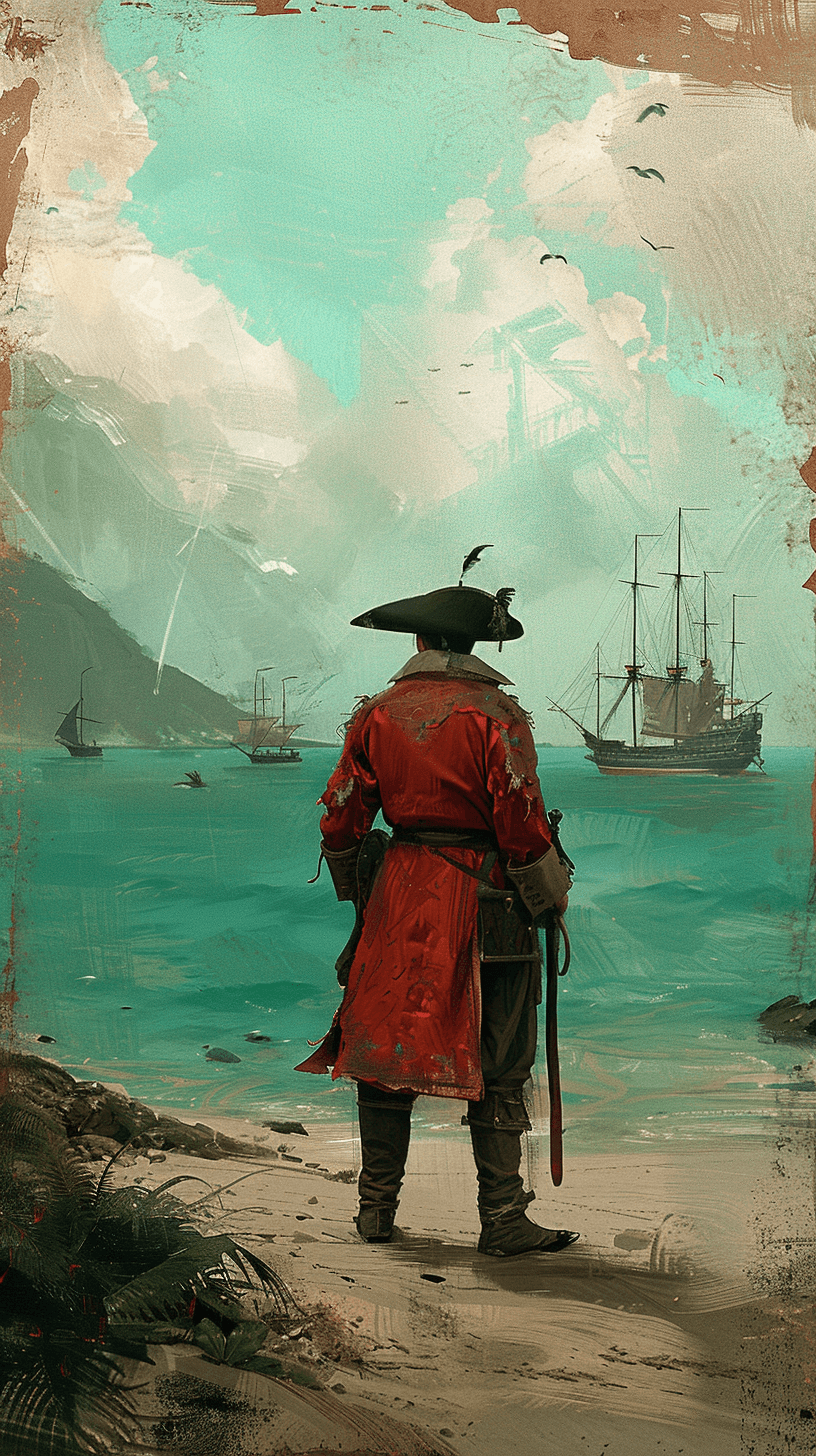
In 1624, the Dutch East India Company raised its company flag on a sandbar off Tainan — Tayouan. That year, the name "Taiwan" did not yet exist.
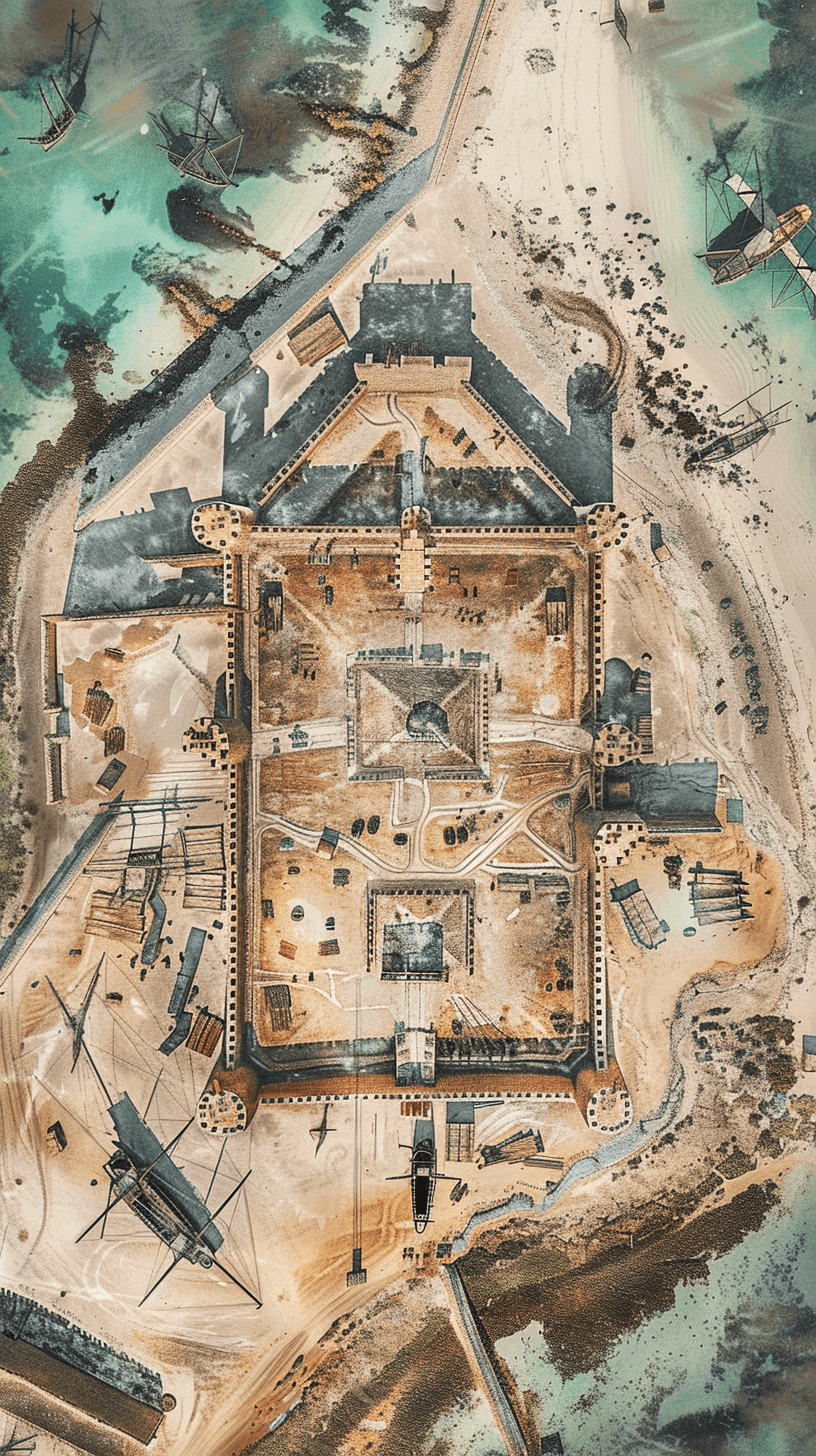
On that sandbar they built East Asia's strongest bastion fortress of the time — Fort Zeelandia. Brick walls on four sides, bastions at four corners, double curtain walls.
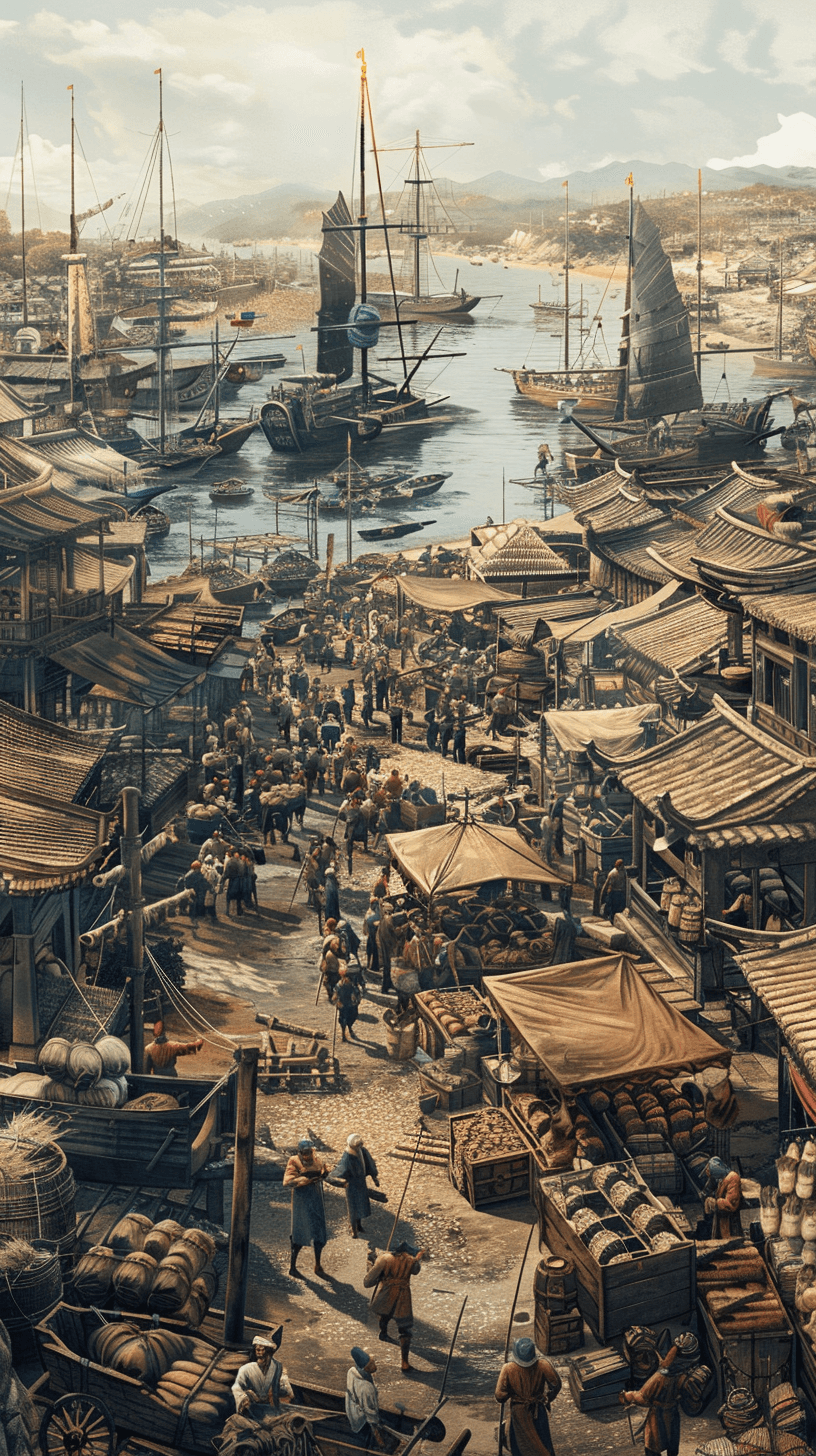
Silk came from Fujian, silver from Manila, deerskins from the Siraya, sugar from the cane fields of Sinkan. Tayouan became the busiest entrepôt on the Western Pacific.
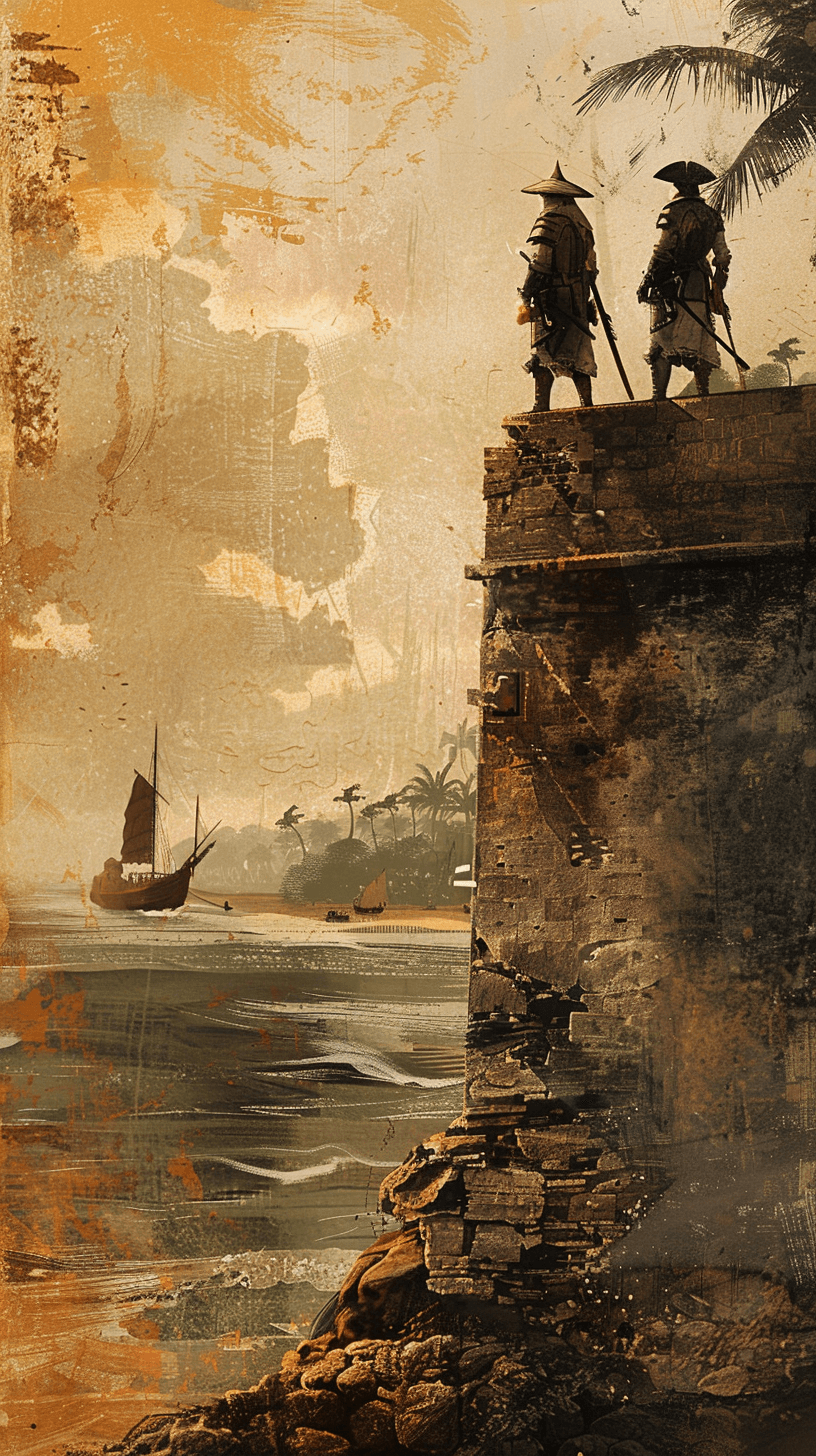
Beyond the walls were Han tenant farmers and Siraya hunters. Inside the walls: merchants, soldiers, missionaries, and a company flag fluttering in the sea wind.
CHAPTER 2
A Message from the Sea
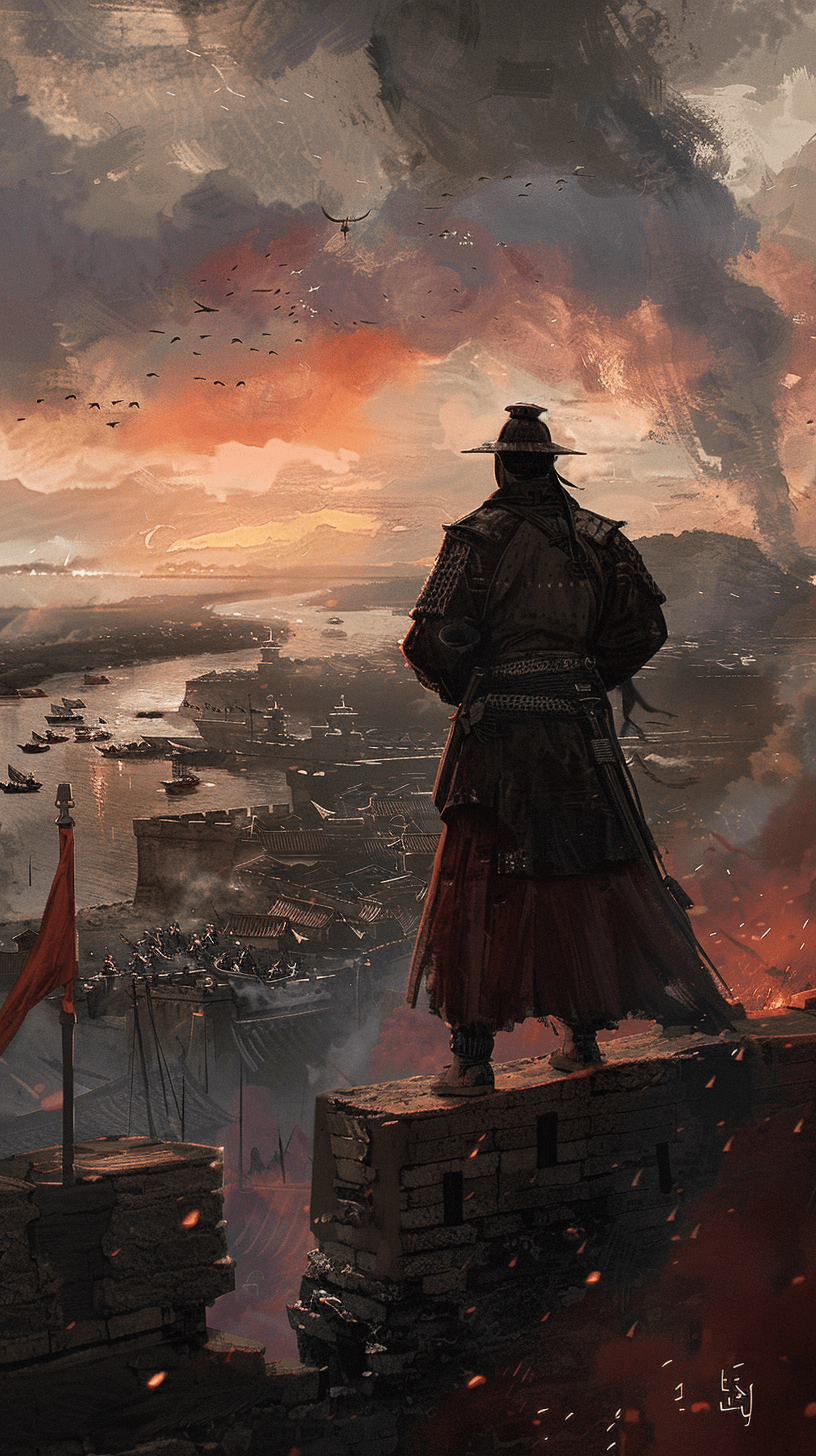
In 1660, Koxinga was steadily losing ground in Xiamen. With Qing armies at the gates, he needed a new rear base.
About Koxinga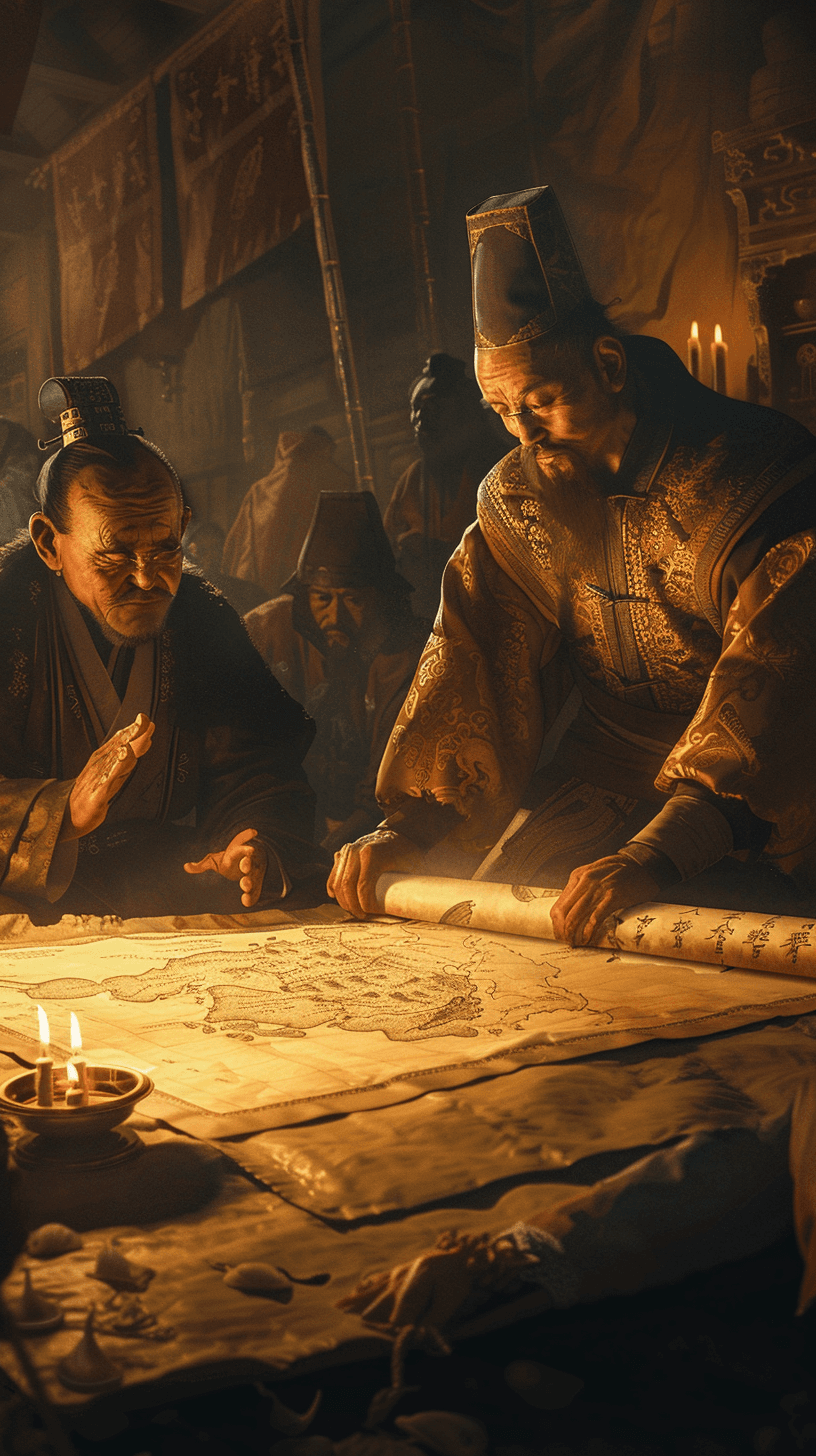
He Bin, the interpreter, crossed the sea from Tayouan. He brought maps of Fort Zeelandia, tide charts, and a defector's promise: "The Red-Haired Barbarians on that island will not stand a fight."
About He Bin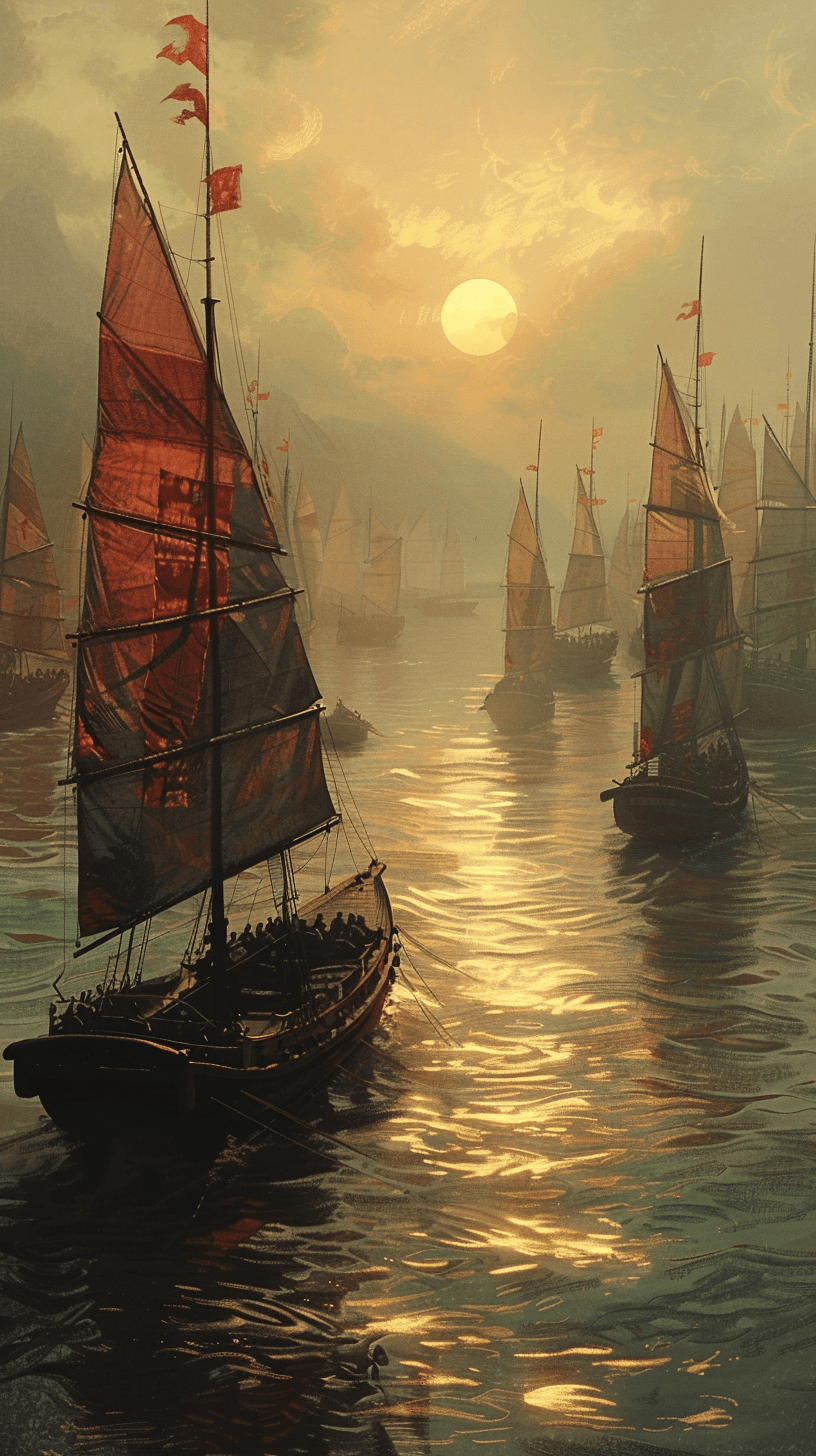
April 30, 1661. Twenty-five thousand troops of Koxinga's army and over four hundred warships slipped through Luermen on the high tide. From the city walls, the Dutch saw only sails on the sea.
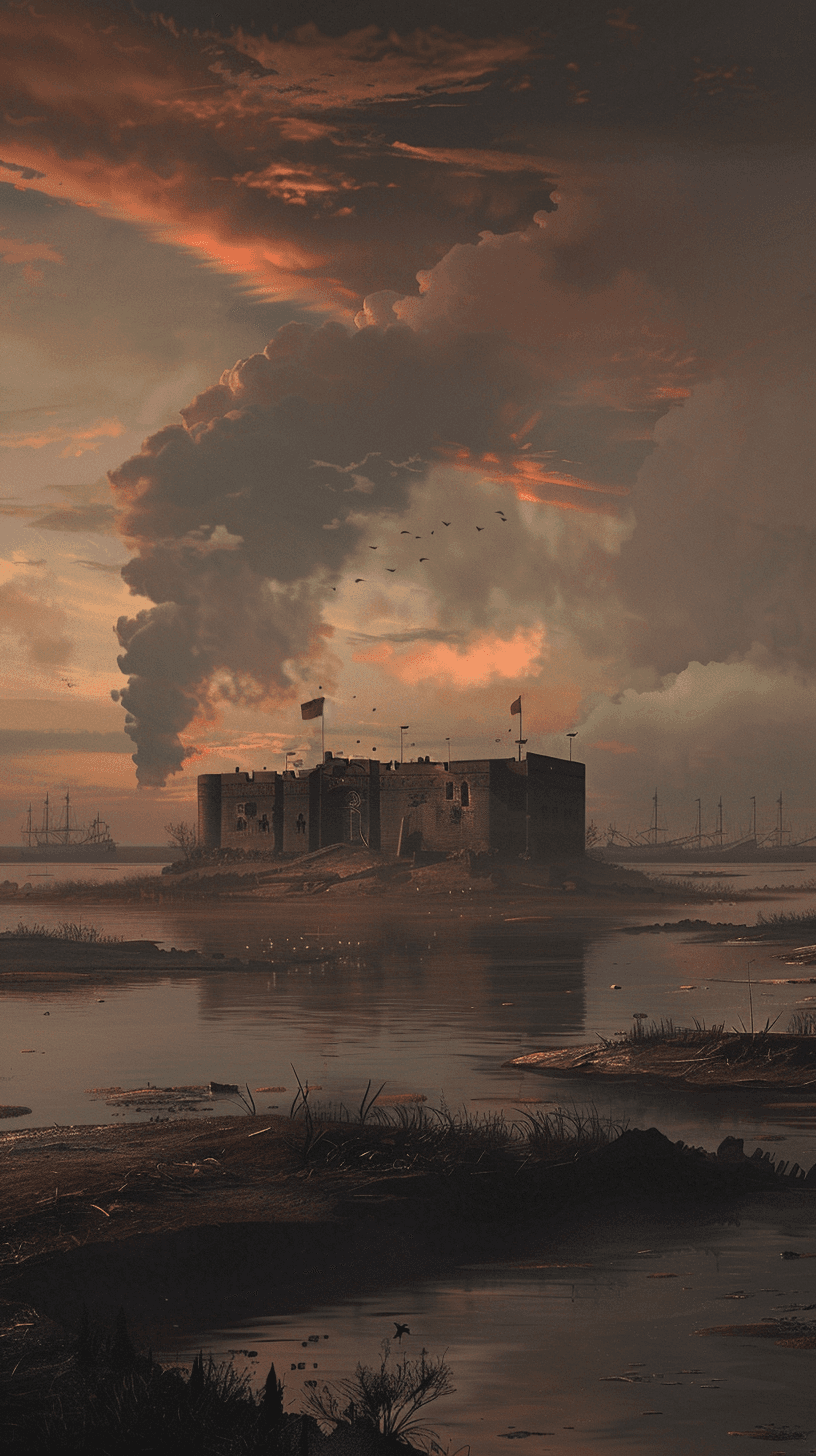
Within days, Fort Provintia surrendered. Only Zeelandia remained, standing on its sandbar — from then on, alone in the sea.
CHAPTER 3
Nine Months of Siege
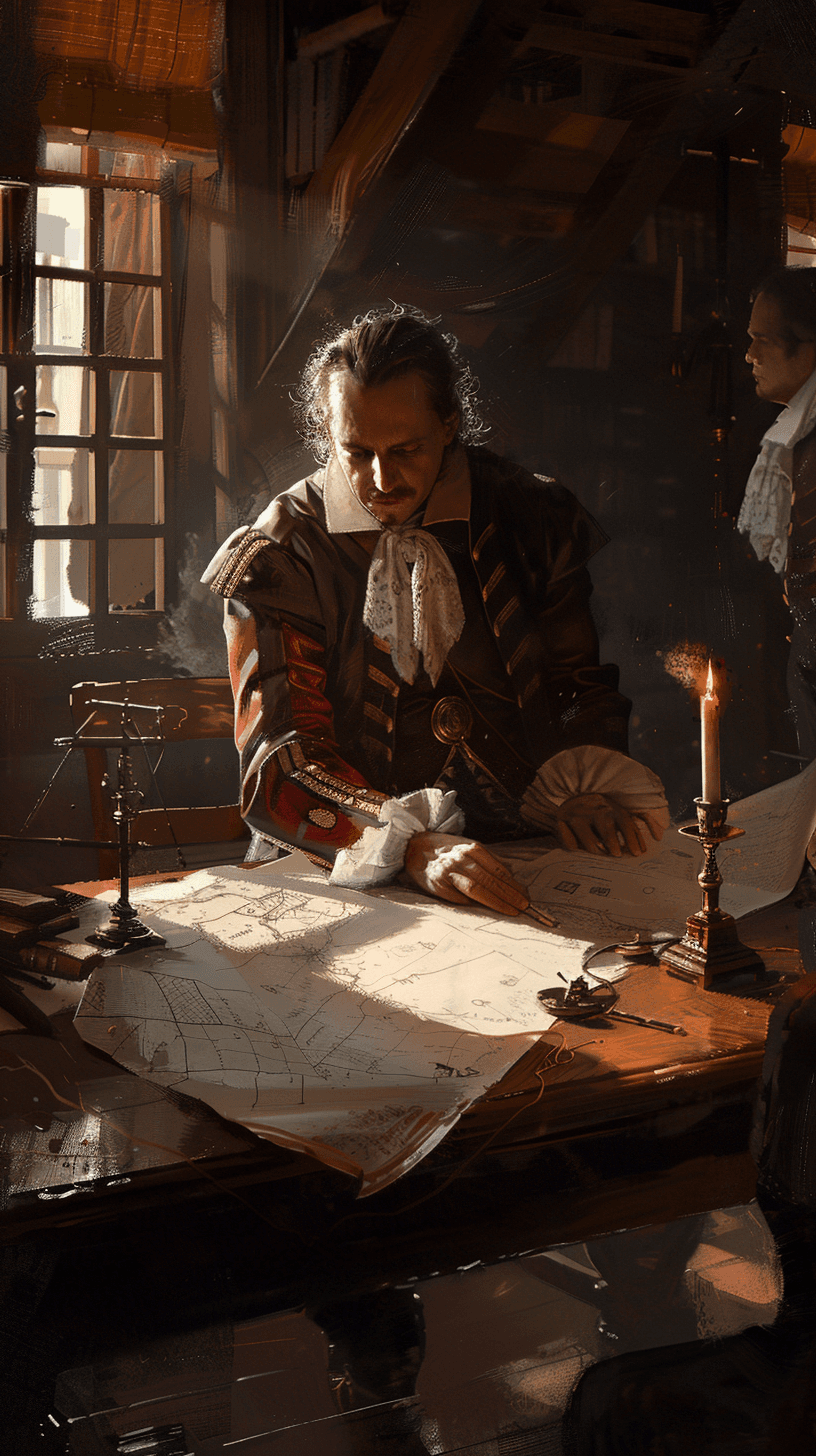
Inside, Governor Coyett commanded 1,100 defenders. Outside, 25,000 of Koxinga's troops encircled the entire sandbar.
About Coyett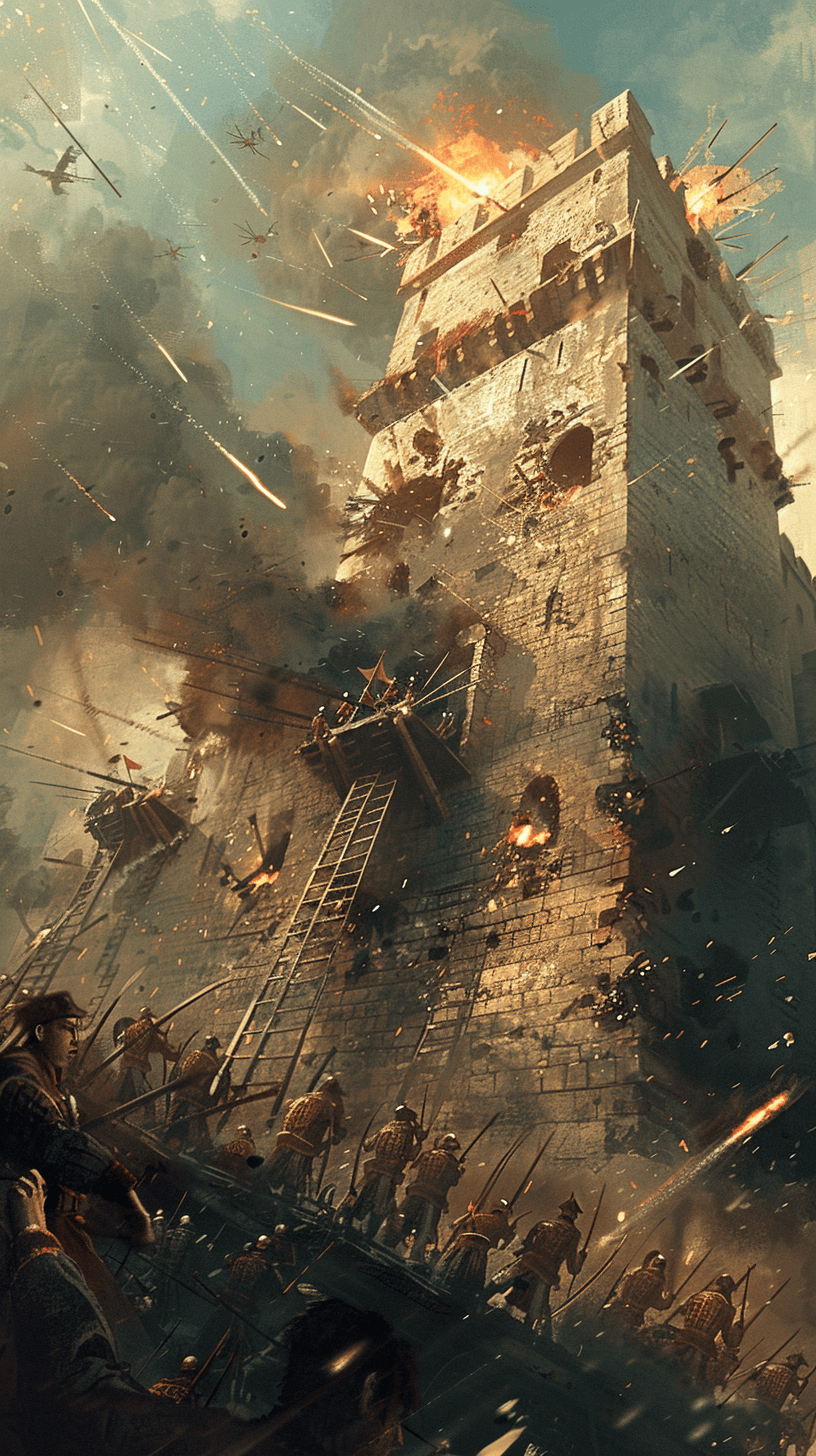
Day one: a full assault — cannon, scaling ladders, rockets. The bastion's double walls held against everything.
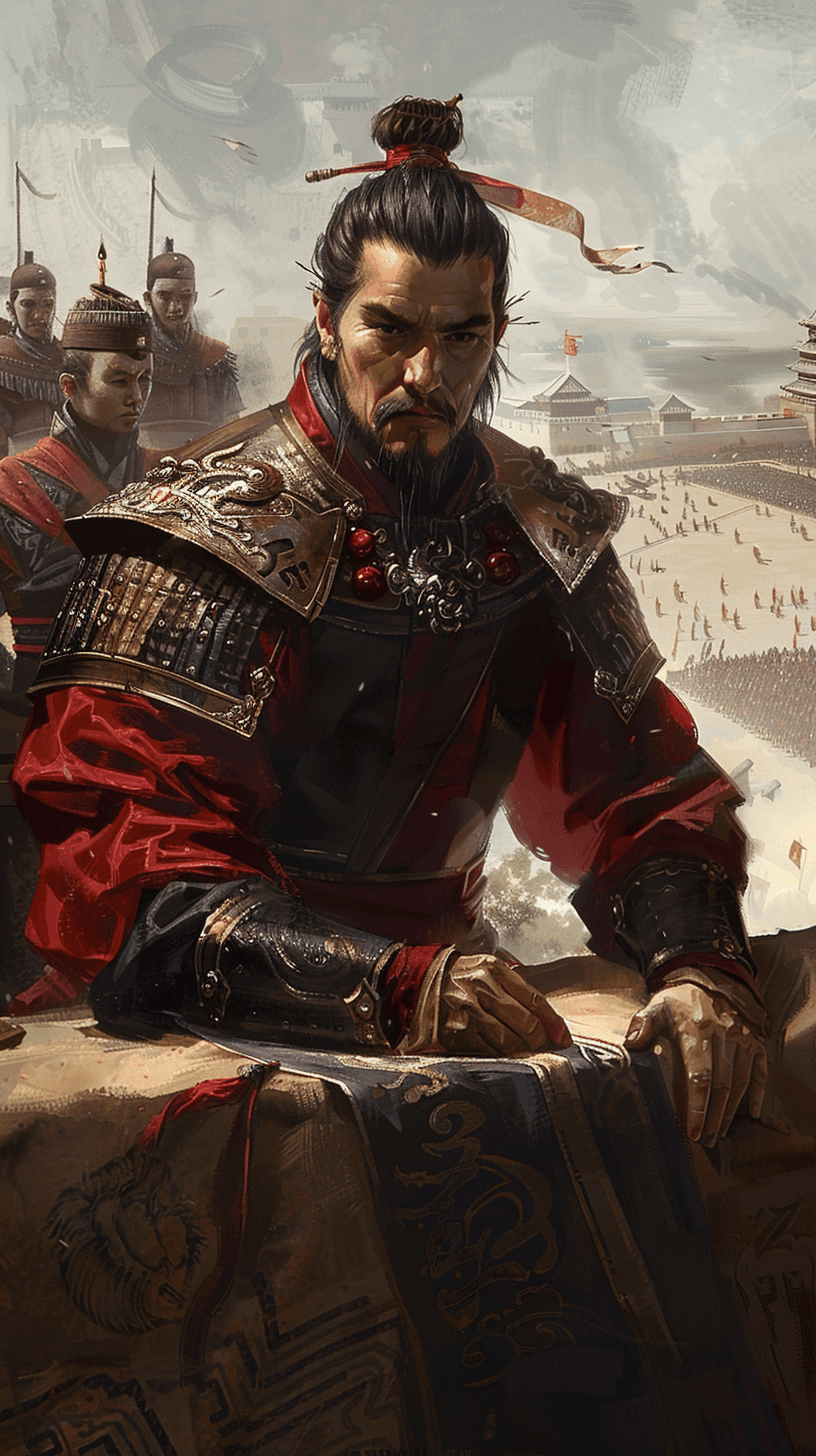
The assault failed. Koxinga switched to a long siege. Fort Provintia became his central command.
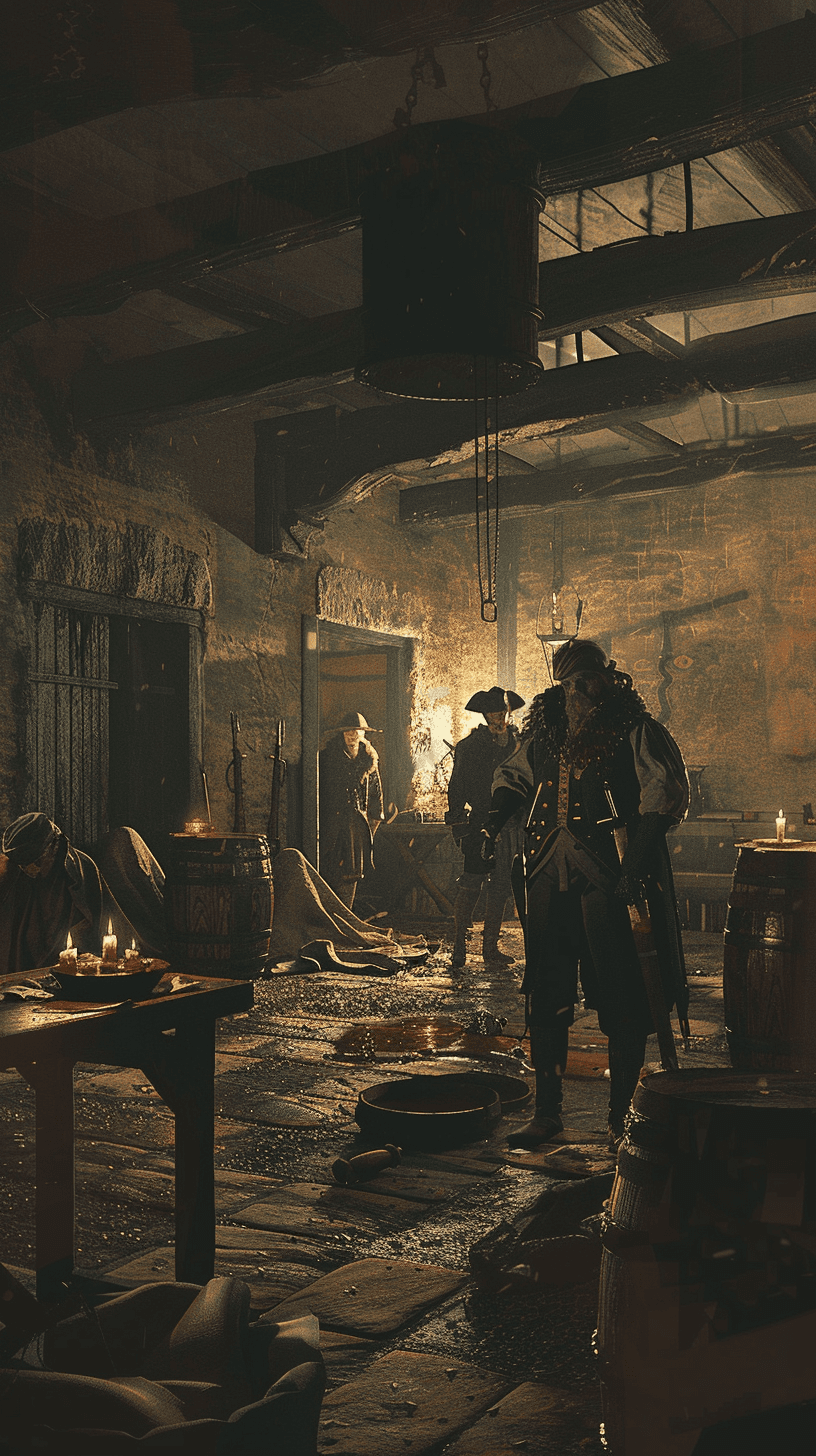
Inside: rice ran out, the wells turned foul, scurvy spread. Outside: Han tenant farmers refused to sell a single grain of rice to the Red-Haired Barbarians.
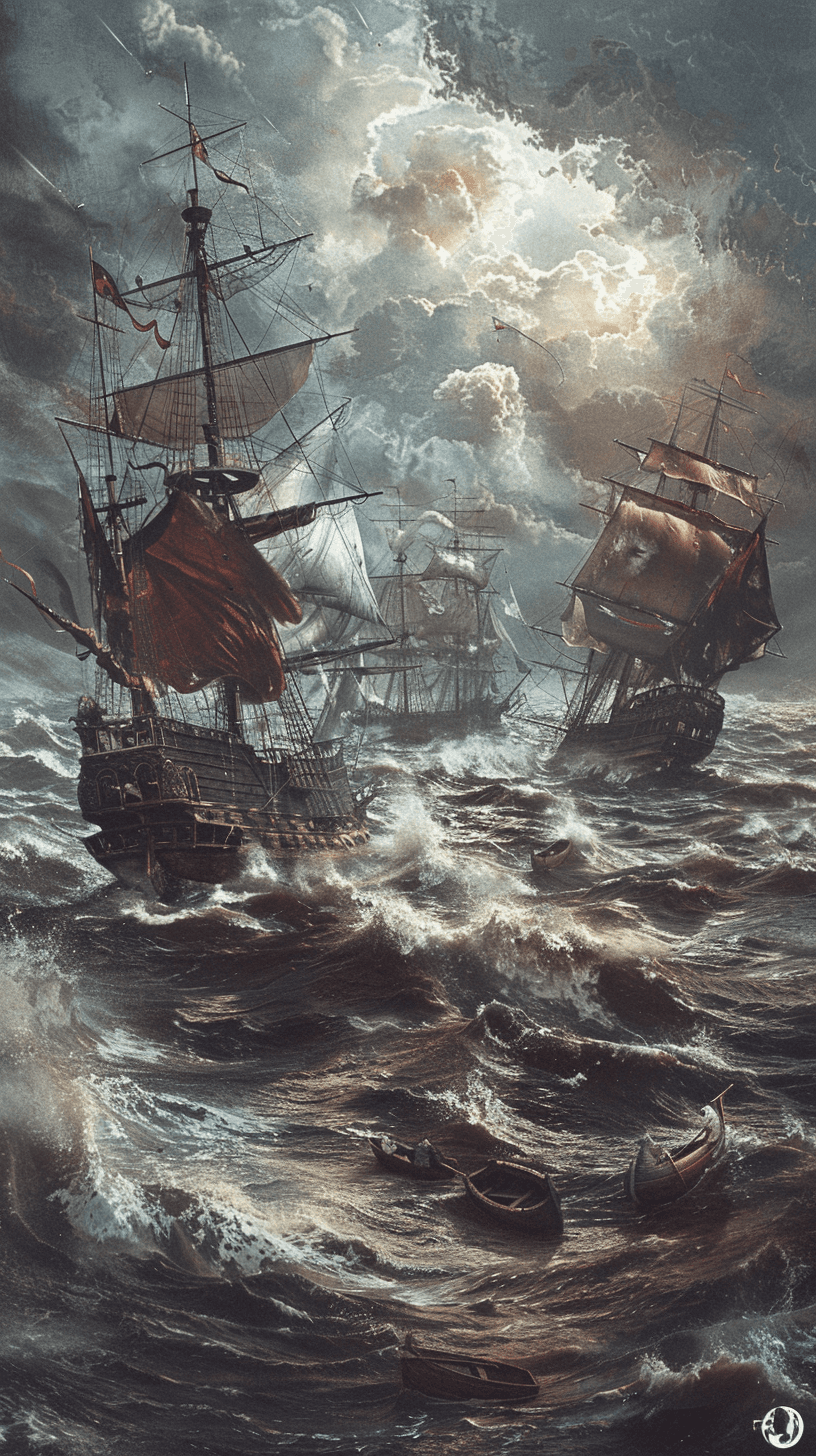
Reinforcements from Batavia did reach the outer sea. A typhoon scattered the fleet. They turned and left. Coyett watched from the bastion for three days. He did not watch a fourth.
CHAPTER 4
Collapse from Within and Without
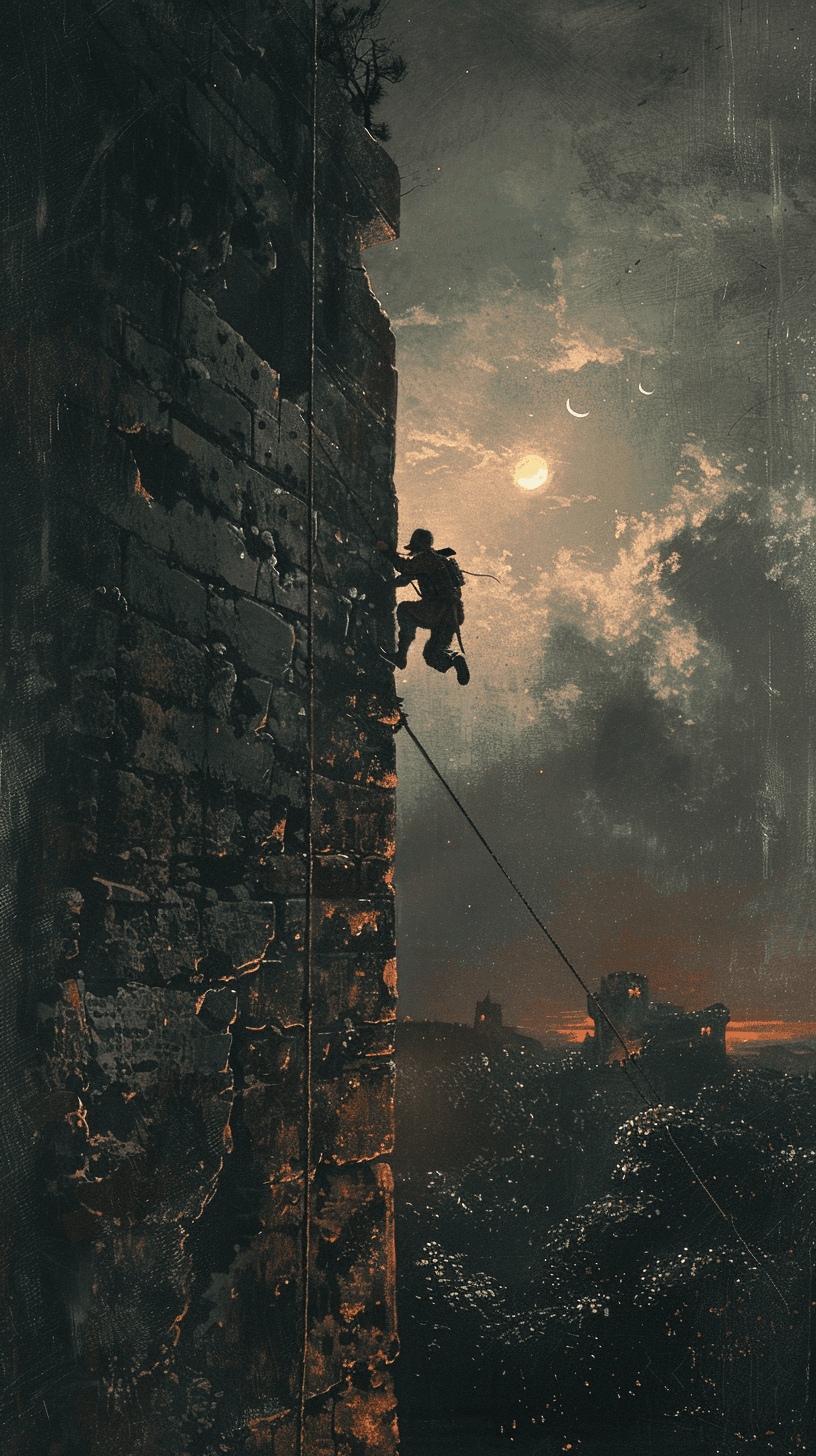
Inside the fort, a Dutch soldier named Hans Radis climbed the wall and defected to Koxinga. He brought a secret: the greatest weakness of Fort Zeelandia was Fort Utrecht, on the hill behind it.
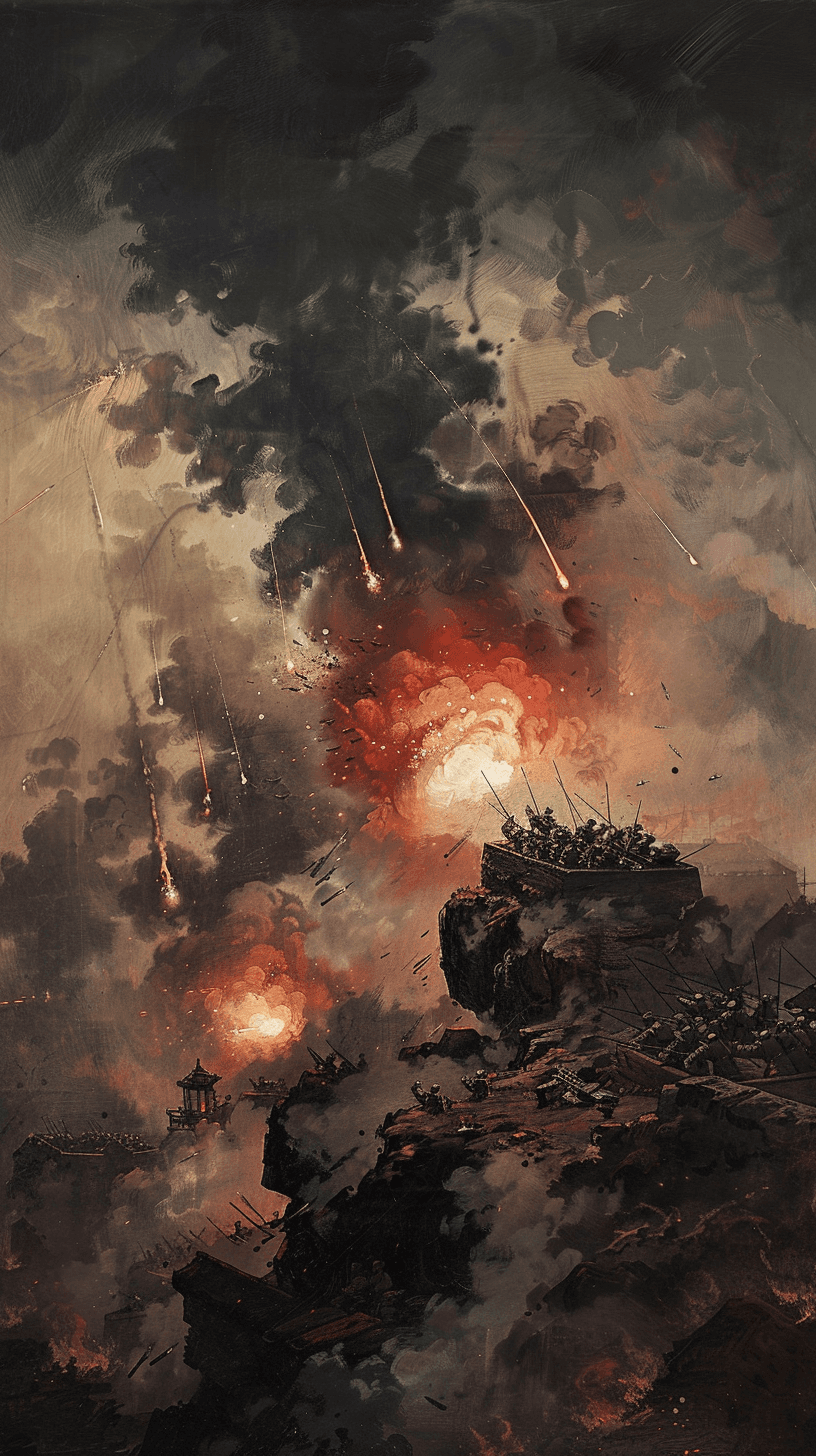
In January 1662, Koxinga's army pounded Fort Utrecht with twenty-eight cannons, day and night. Three days later the bastion collapsed; the defenders all perished.
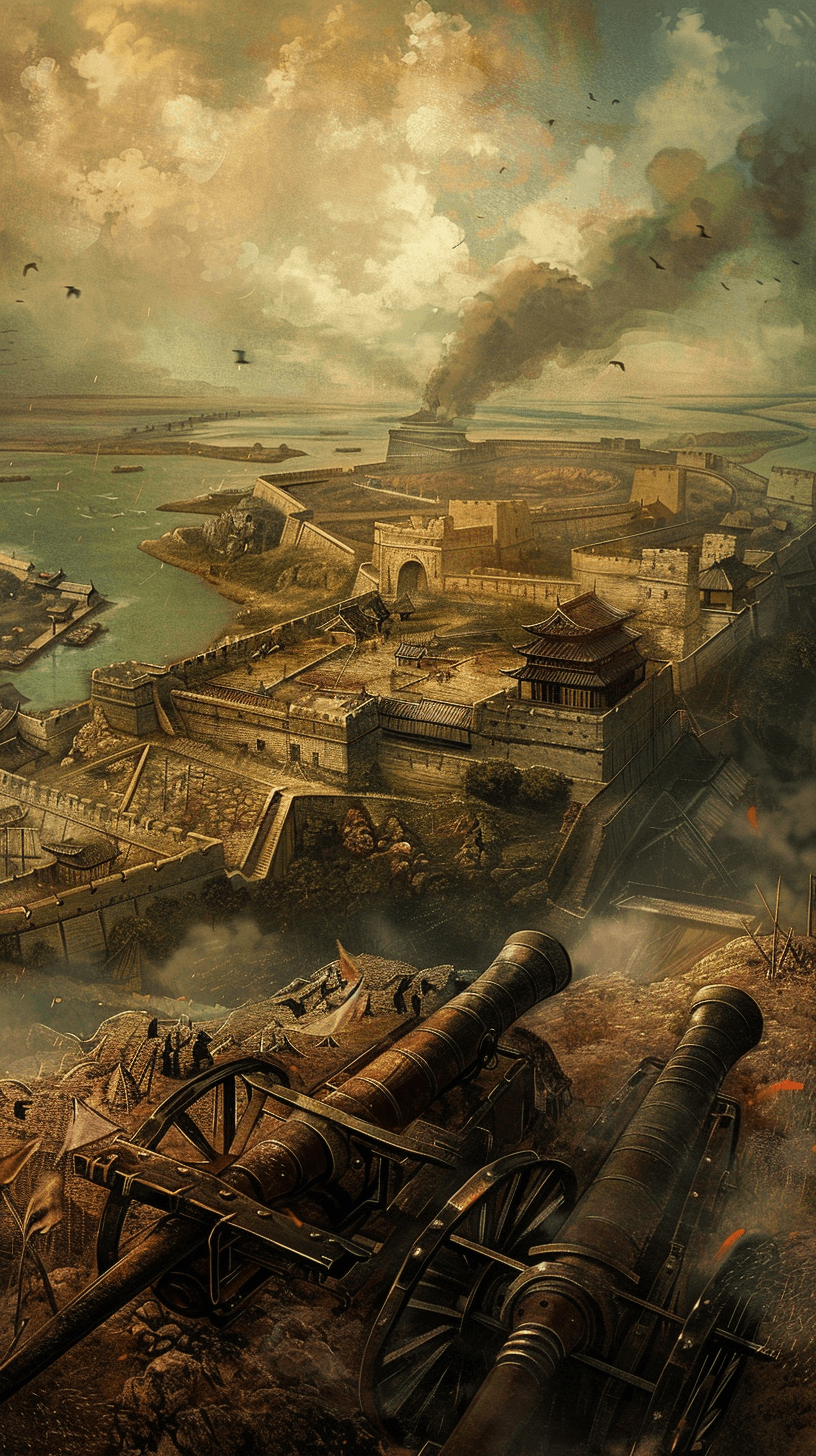
From the heights of Utrecht, Koxinga's guns could fire directly down into Fort Zeelandia. Forty years of walls were walls no more.
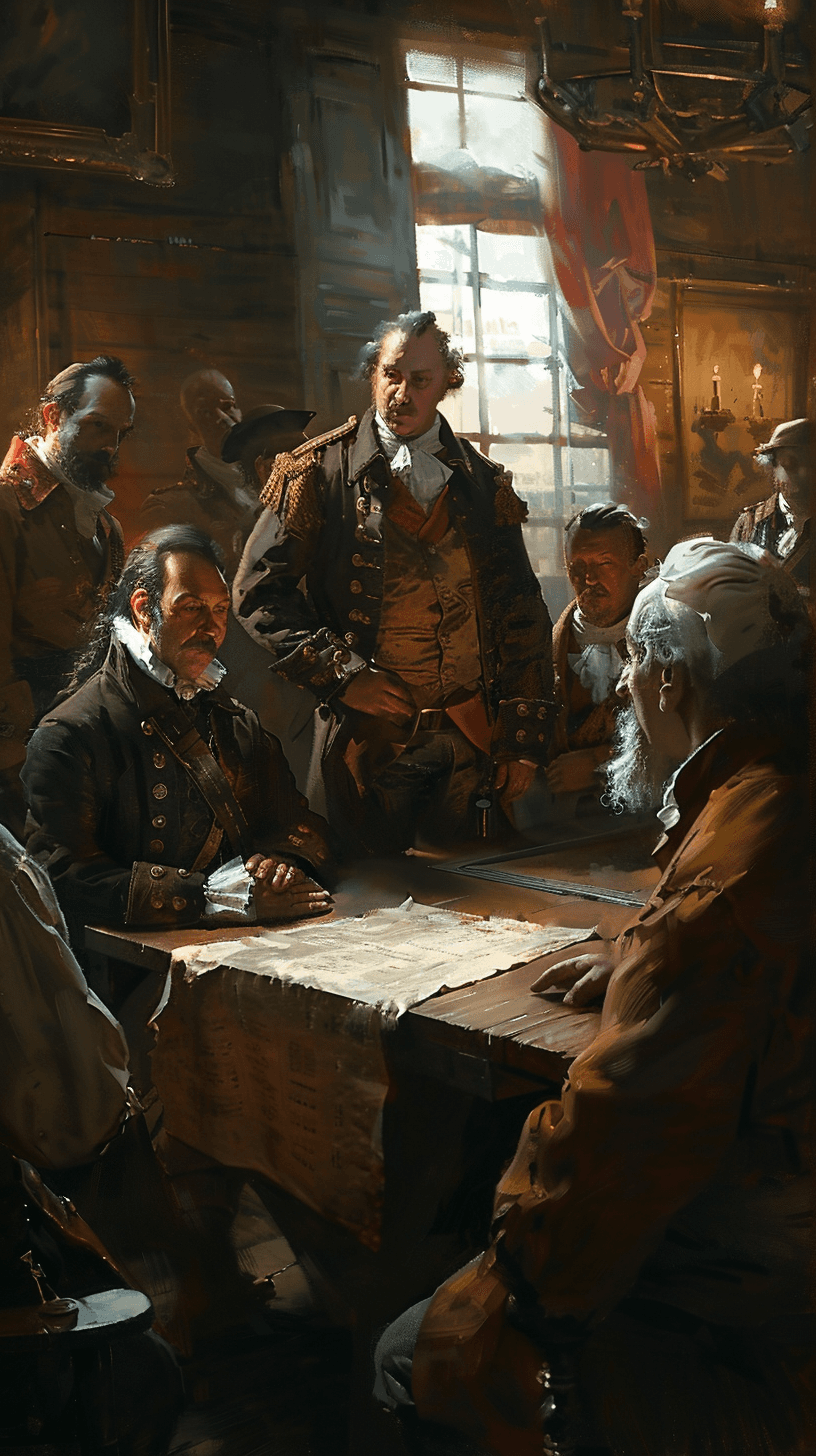
Coyett proposed surrender to the council. He had held the fort for 270 days.
About Coyett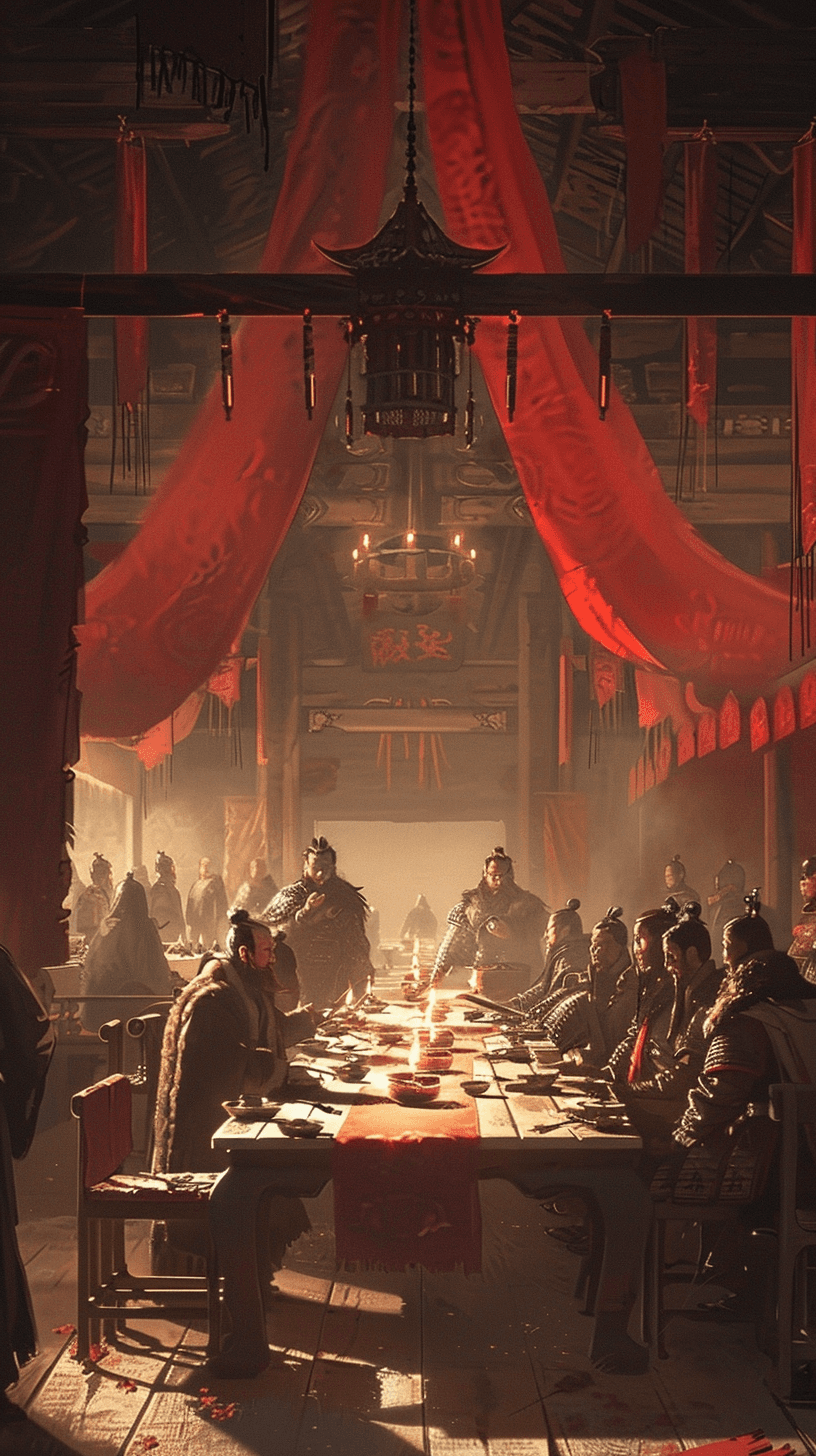
February 1, 1662. The articles of surrender were signed at Koxinga's camp. The Dutch departed in good order, carrying their arms, their banners, and the memory of a generation.
CHAPTER 5
Sails on the Ebb Tide
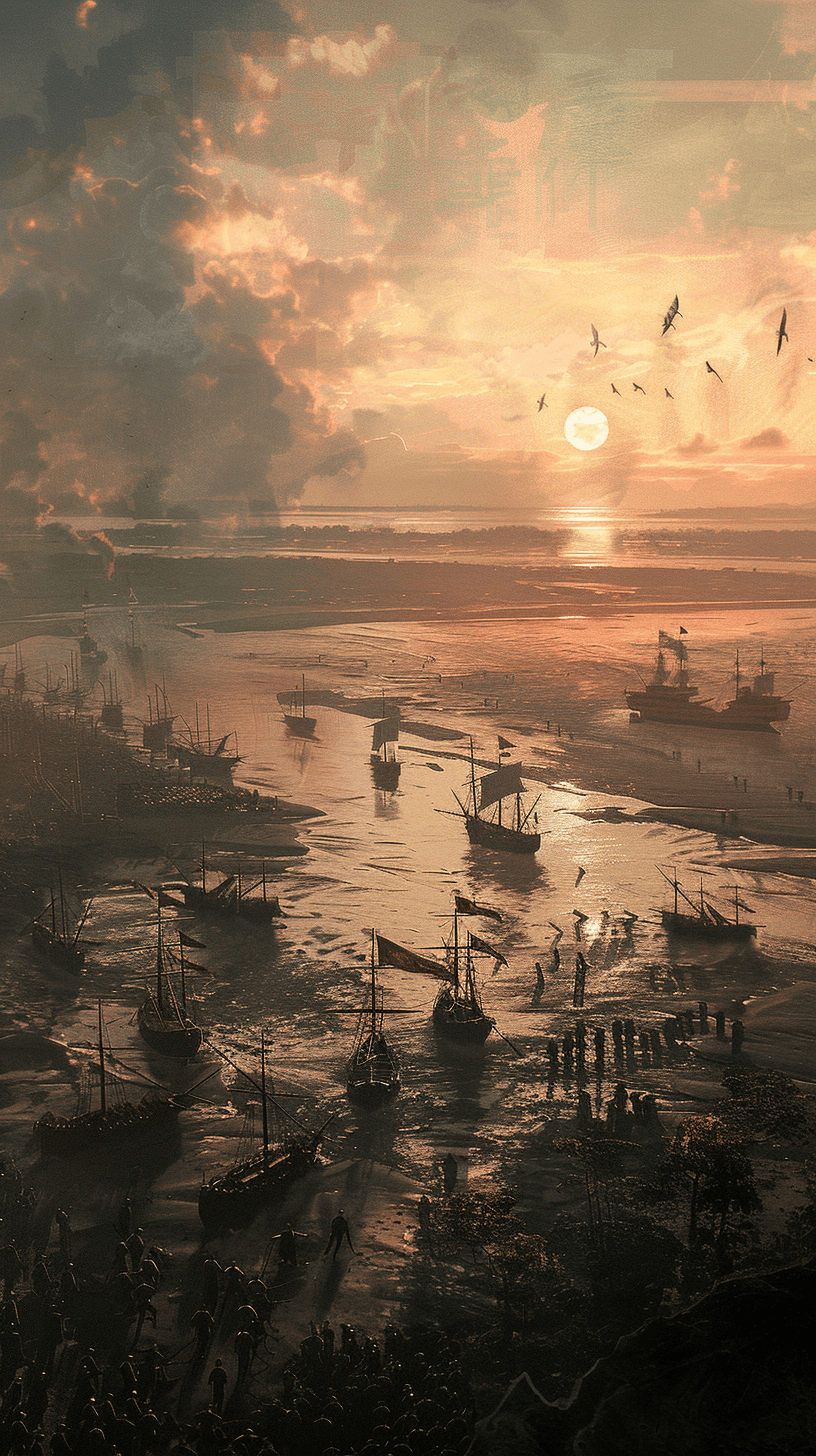
February 9, 1662. Coyett led the remaining Dutch aboard their ships and sailed from Tayouan. On the bastion, the company flag was slowly lowered.
About Coyett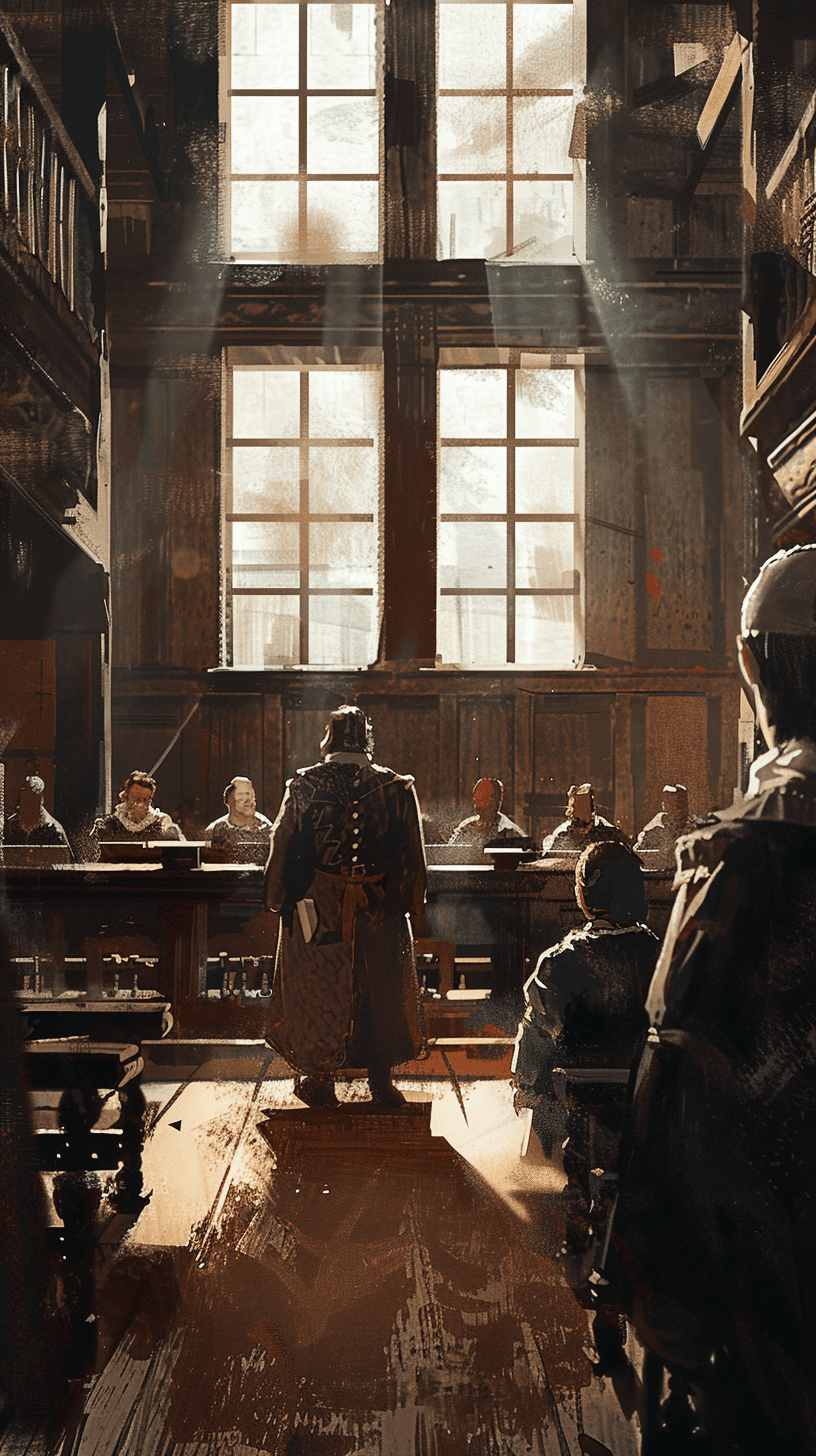
Back in Batavia, Coyett was court-martialed. The charge: signing surrender without authority, losing land and city. The sentence: life exile, banished to the barren island of Rosengain.
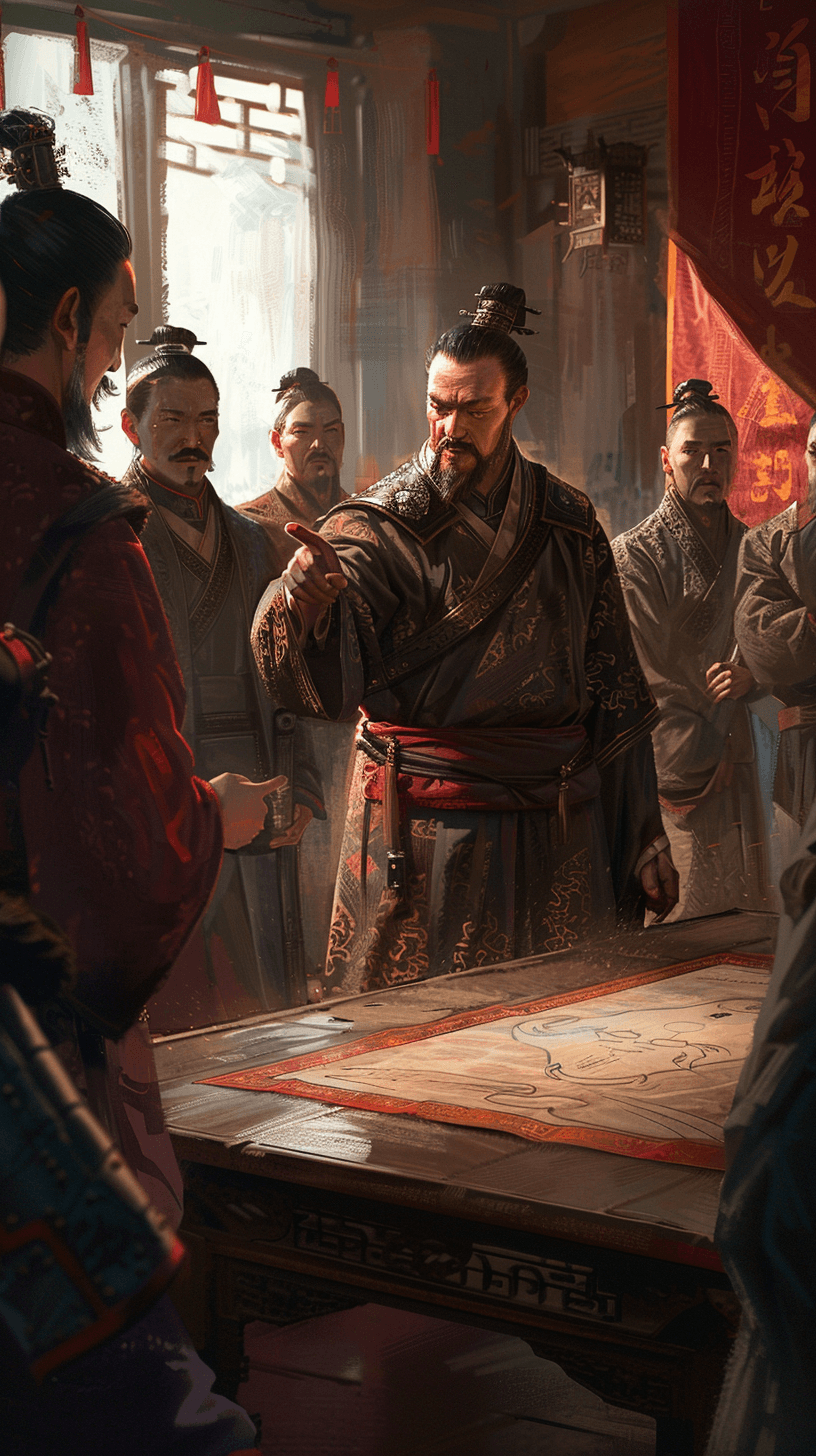
Koxinga renamed Tayouan "Tungtu" and established the "Chengtien Prefecture." He was already planning his next move — to attack Luzon, link up with what remained of the Southern Ming, and retake the mainland.
About Koxinga
In June 1662, Koxinga died of illness in Tainan, aged thirty-eight. It was only four months after his capture of Zeelandia.
CHAPTER 6
The Story beneath the Walls
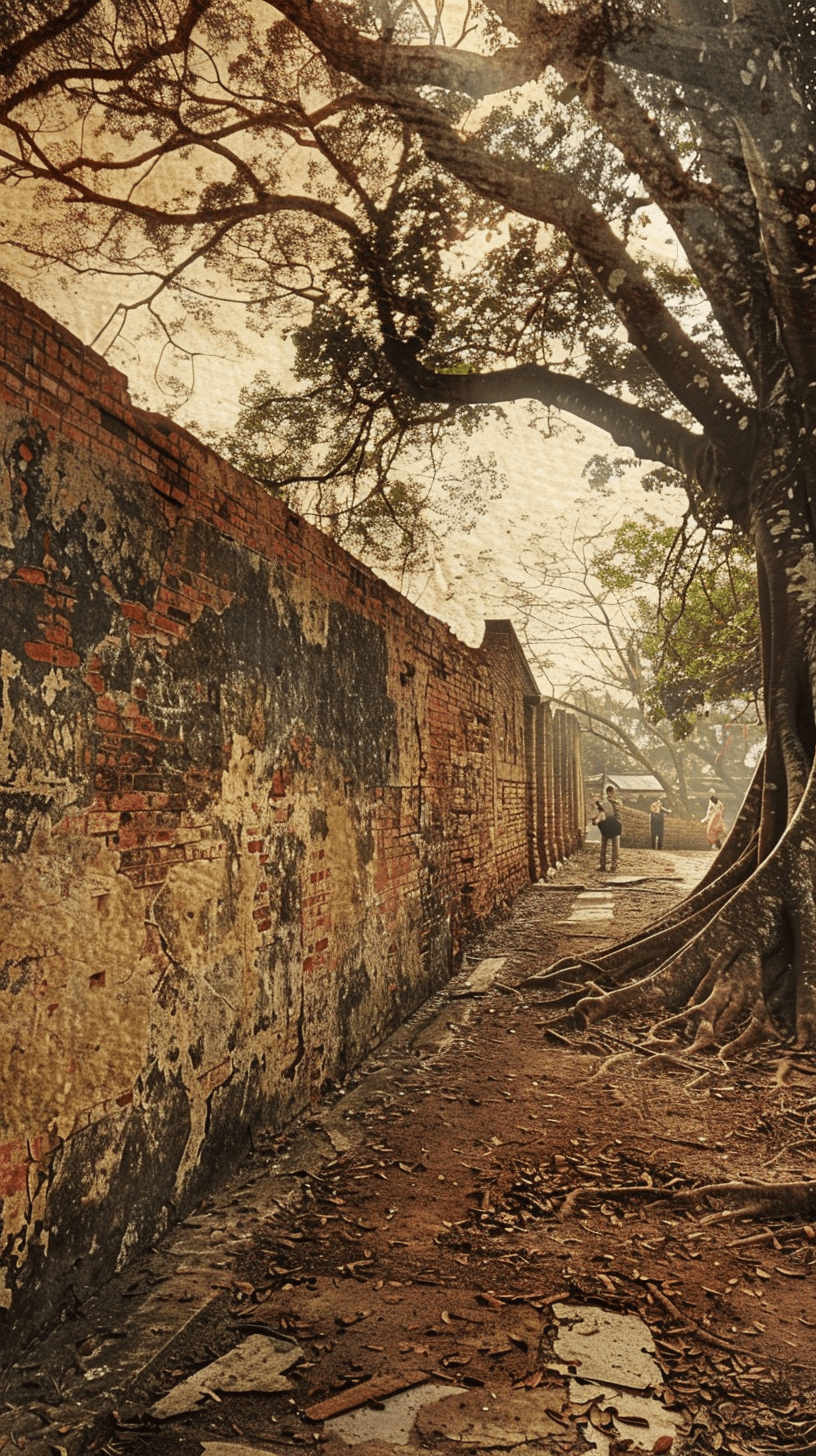
Today, the broken walls of Fort Zeelandia still stand in Anping, Tainan. Tourists climb a surviving section of wall and take photos: "I'm at Anping Old Fort."
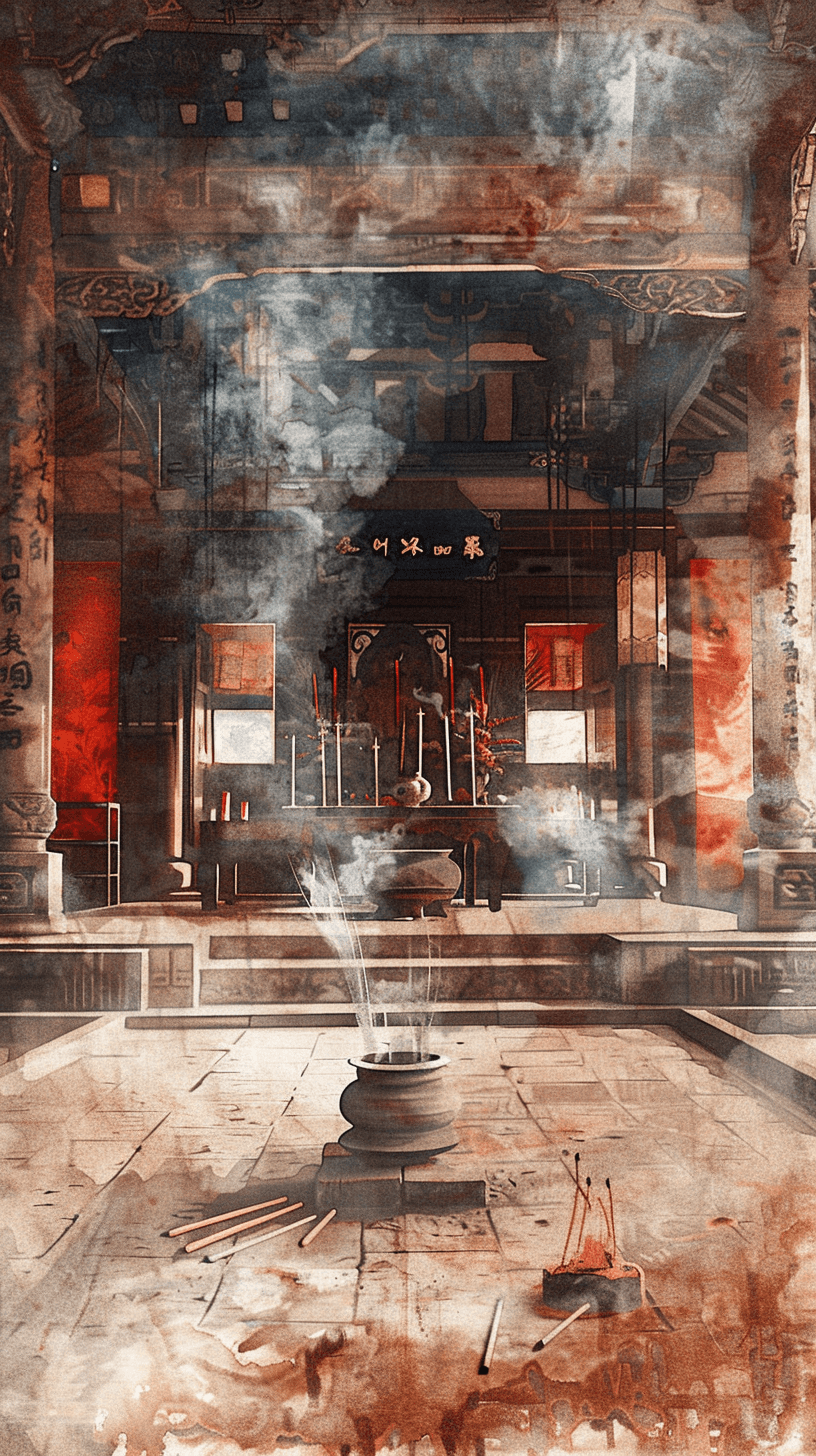
In Tainan, the Yanping Prince Shrine burns with incense; Koxinga has become a god. In Amsterdam, the Dutch East India Company archives carry only one line: "Formosa, lost 1662."
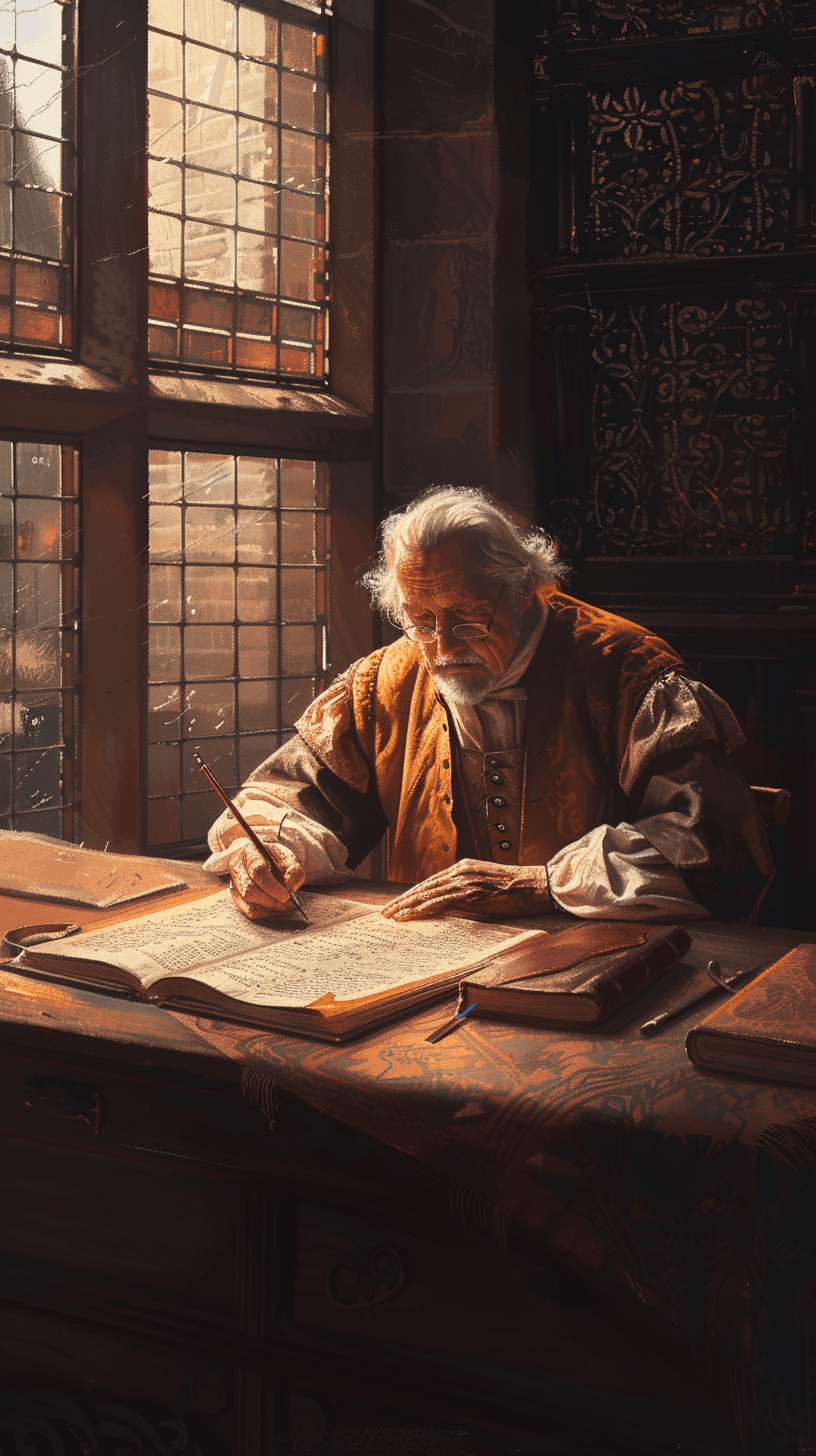
In 1675, Coyett was pardoned and returned home; he published "Neglected Formosa" in the Netherlands. He did not speak of victory or defeat. He said only: "I hope future generations know — we were once here."
About Coyett
A war — between the founder of an empire, and a company, on a single island. An island that never belonged to either of them.
FIN
Next storyThe Fall of Tungning