



Seediq Bale
1930 · Seediq Bale
CHAPTER 1
Children of the Rainbow Bridge
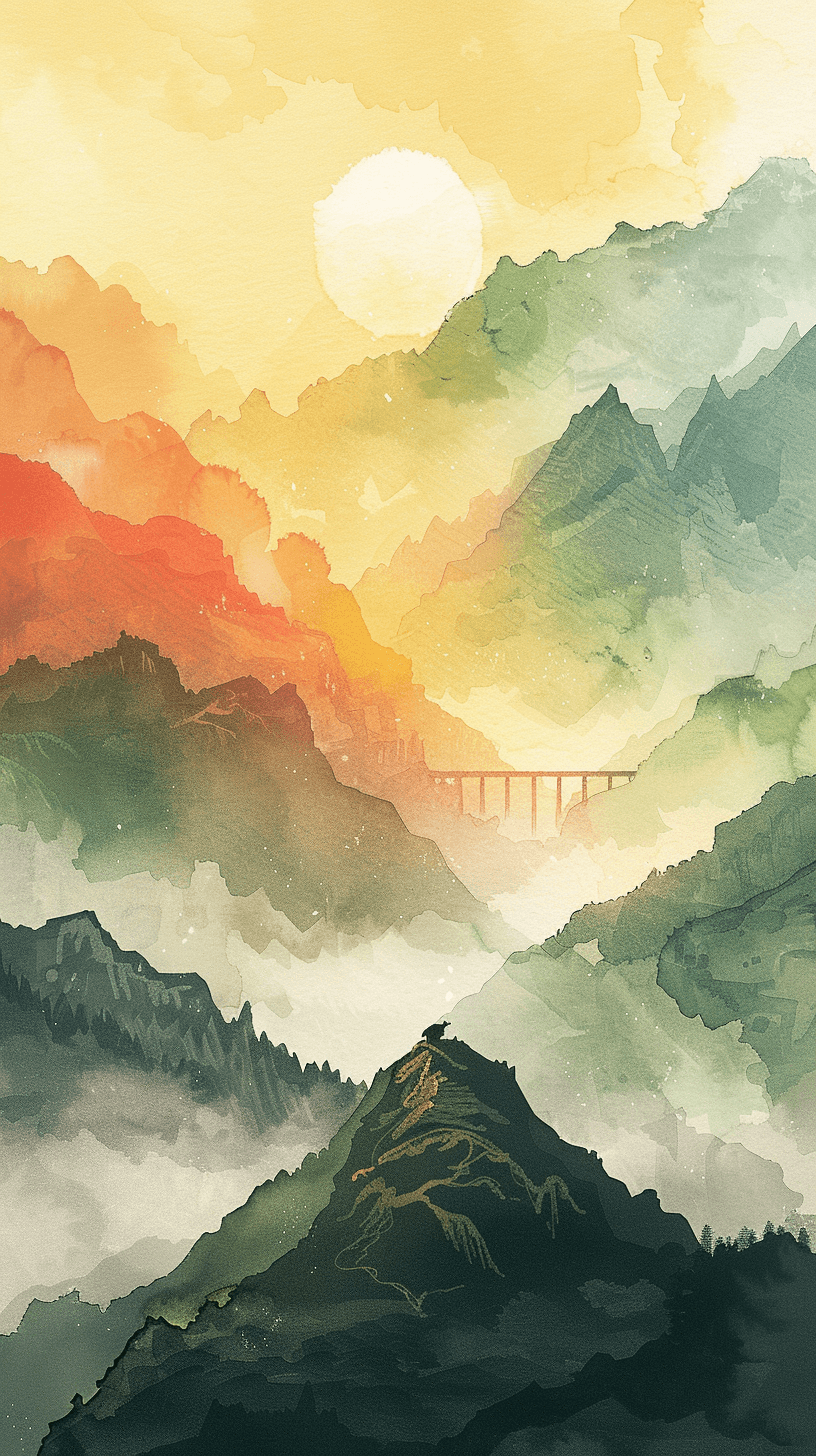
"A true person must cross the Rainbow Bridge." This is Gaya — the ancestral law of the Seediq.
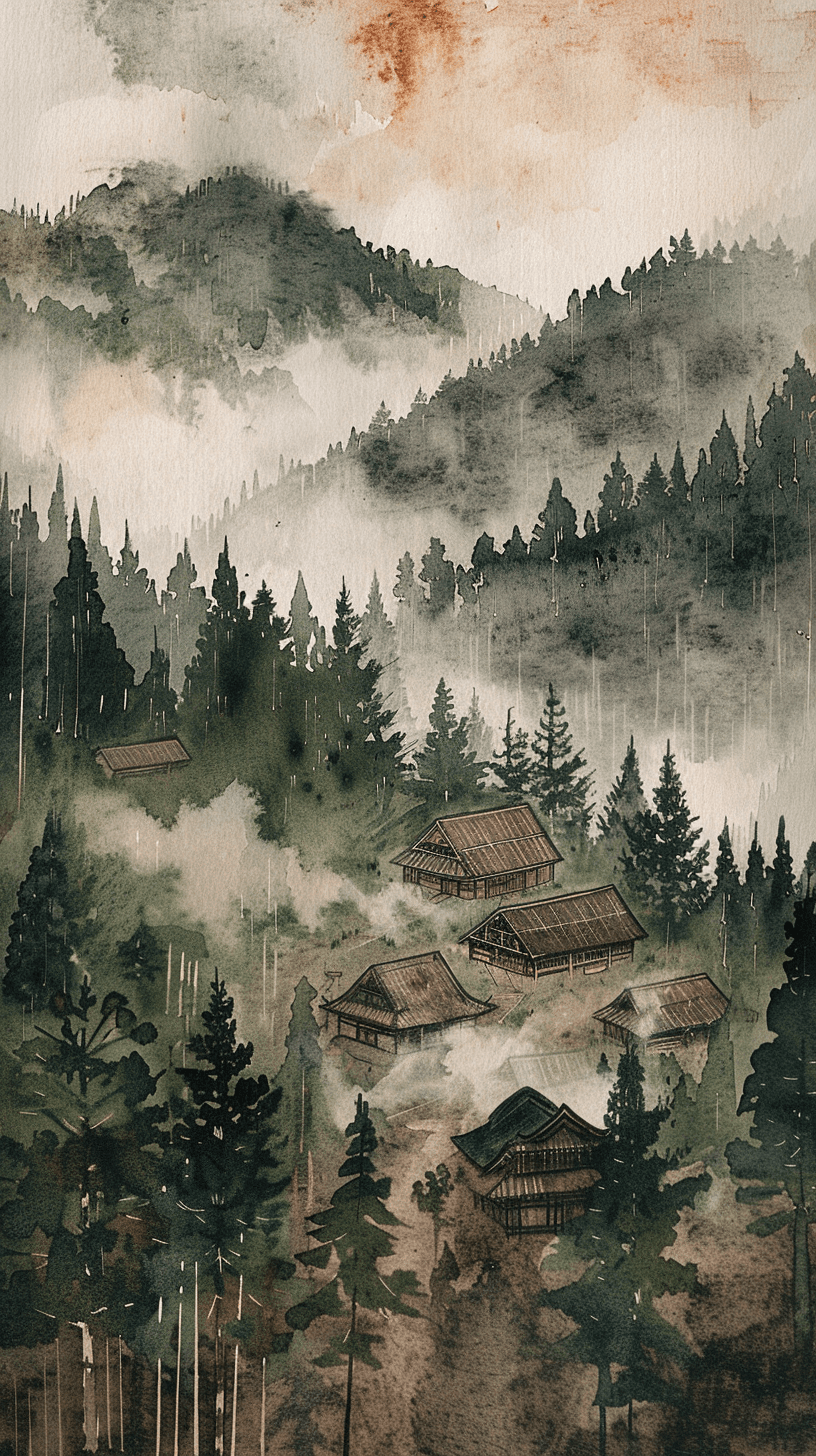
Deep in the Central Mountain Range lies Wushe, where six Seediq tribes have lived for generations: Mahebo, Boalum, Hogo, Lodofu, Talowan, and Suku.
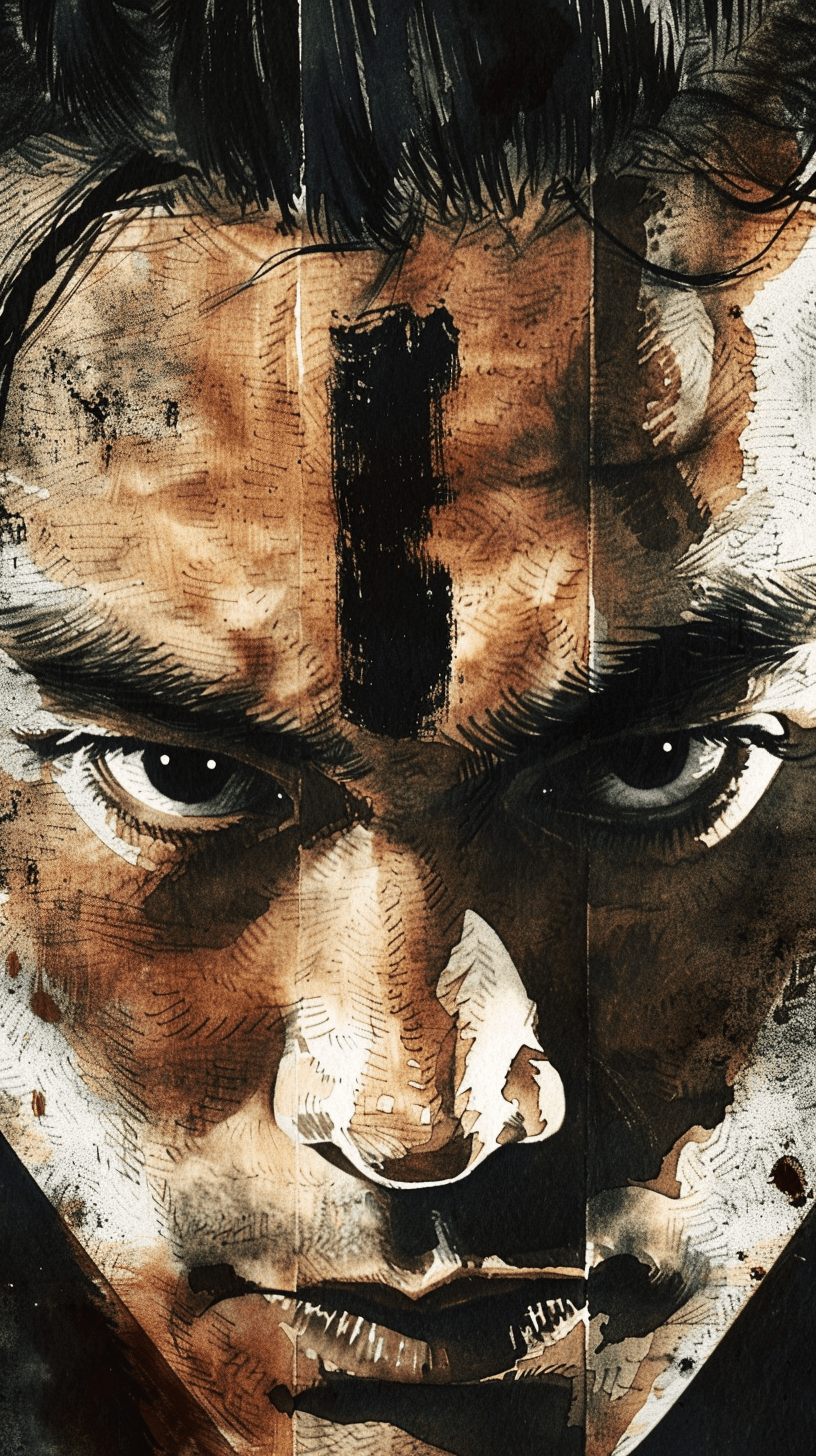
A man must take a head in battle to earn the facial tattoos on his forehead and chin. A woman must weave intricate cloth to earn the slanted lines on her cheeks. Only then, in death, can they cross the Rainbow Bridge and meet their ancestors.
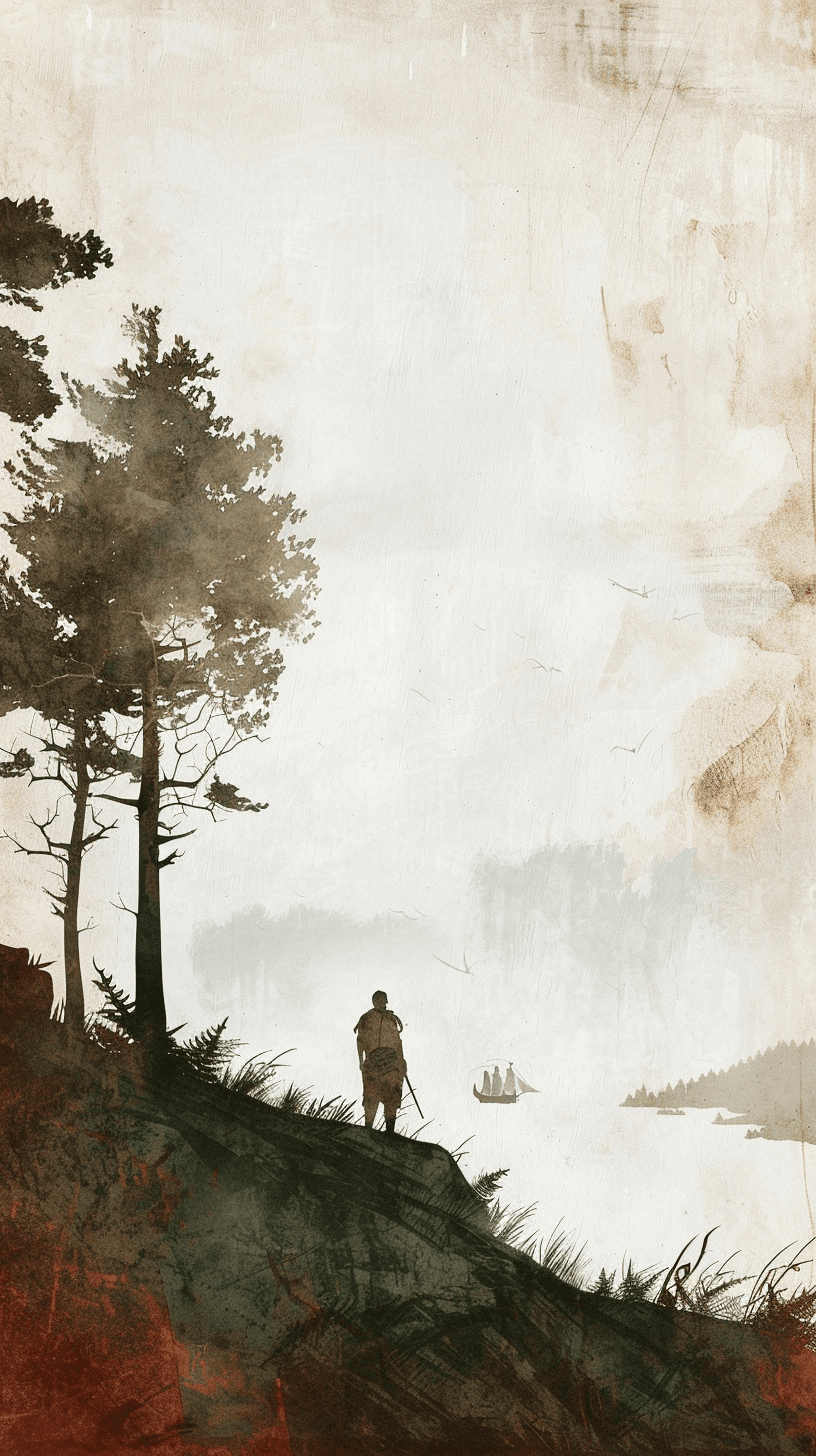
In 1895, the Qing Empire ceded Taiwan to Japan. The world beyond the mountains was overturned. But the people inside the mountains did not yet know.
CHAPTER 2
Fire in the Mountains
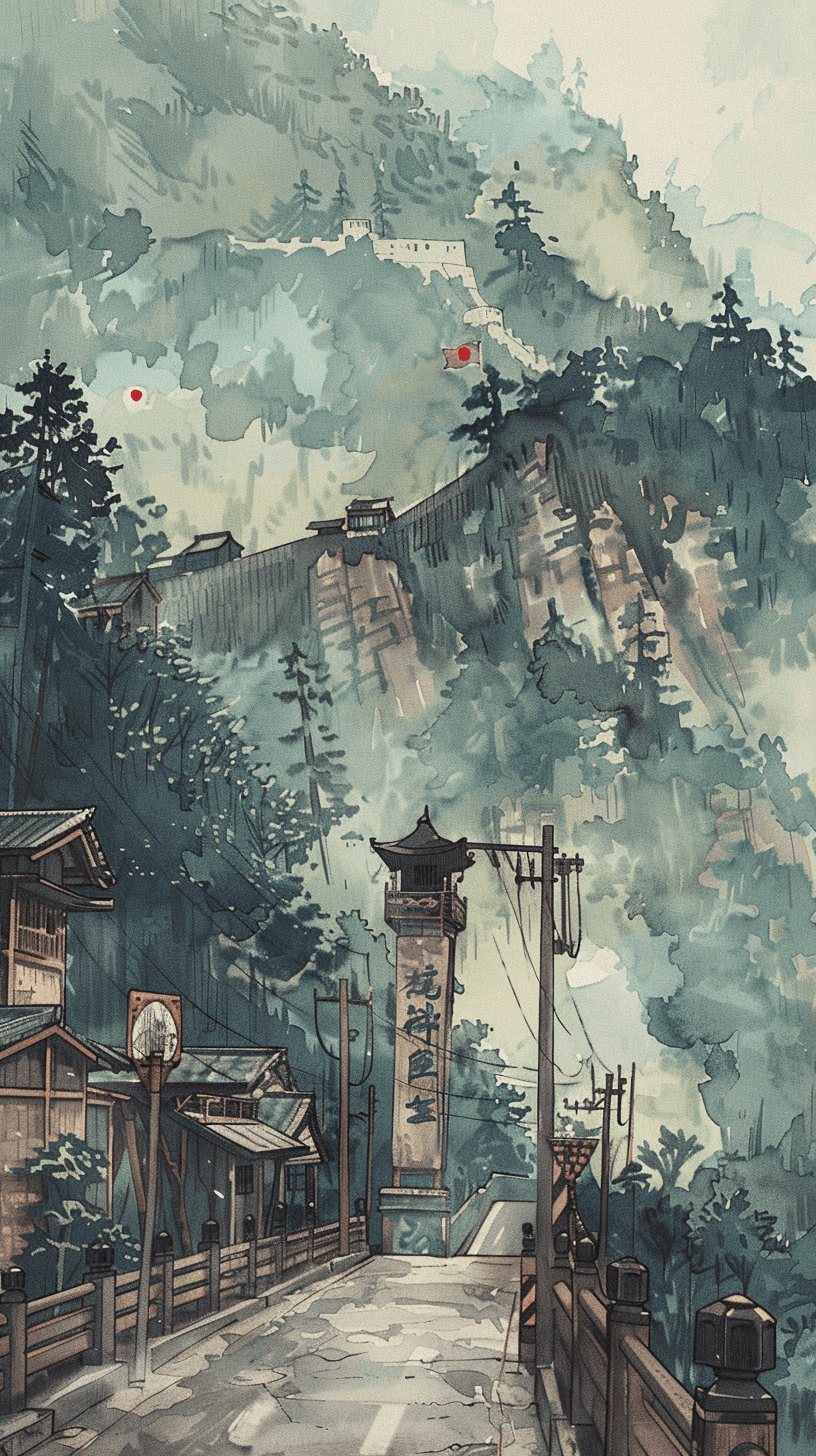
Japan rolled out its "Aborigine Pacification Policy" across Taiwan. Guard lines pushed deeper into the mountains; police stations were placed in every tribe.
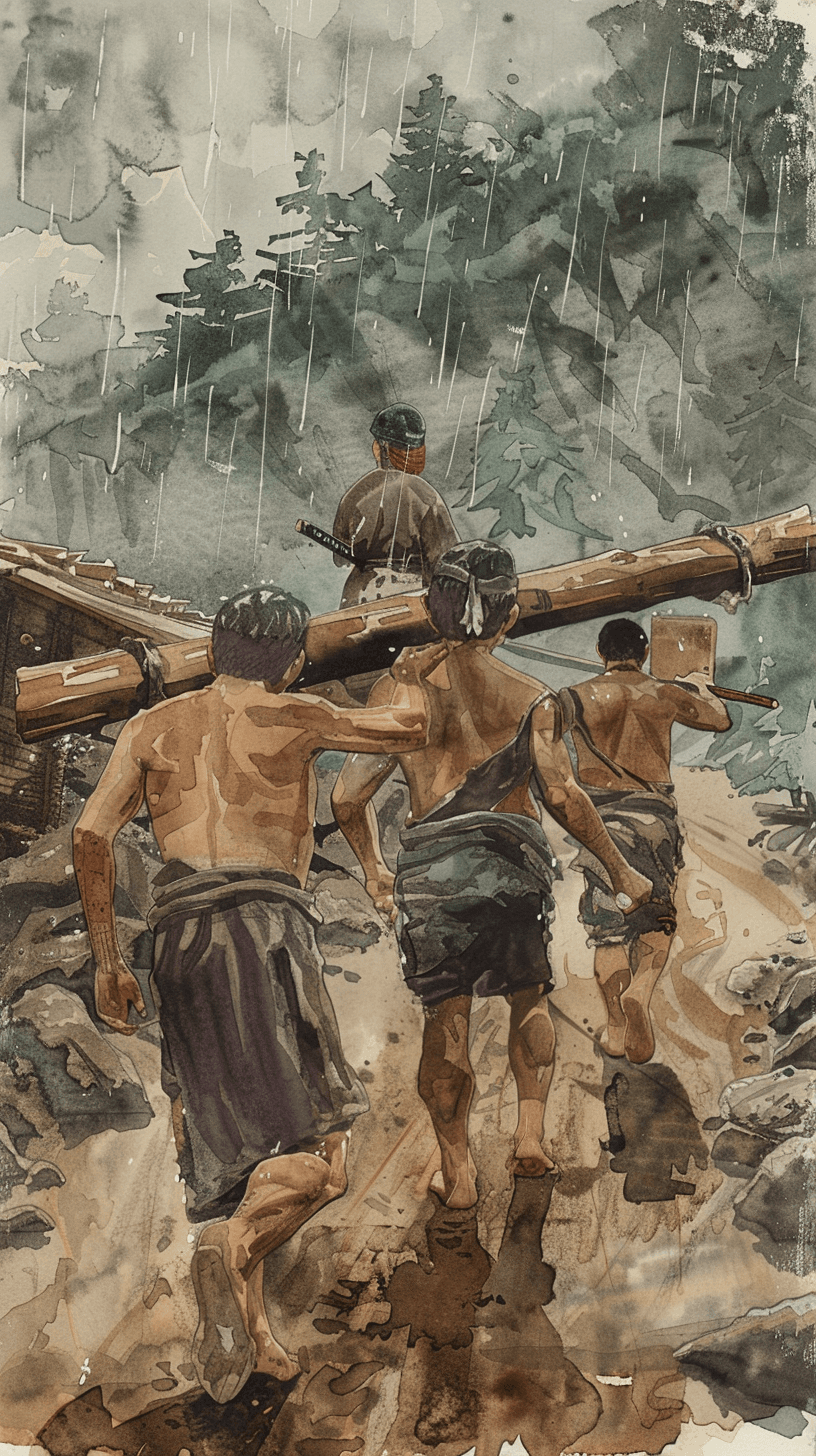
The Seediq were forced into corvée labor — hauling timber, cutting mountain roads. Their hunting grounds shrank, their guns were confiscated, headhunting forbidden.
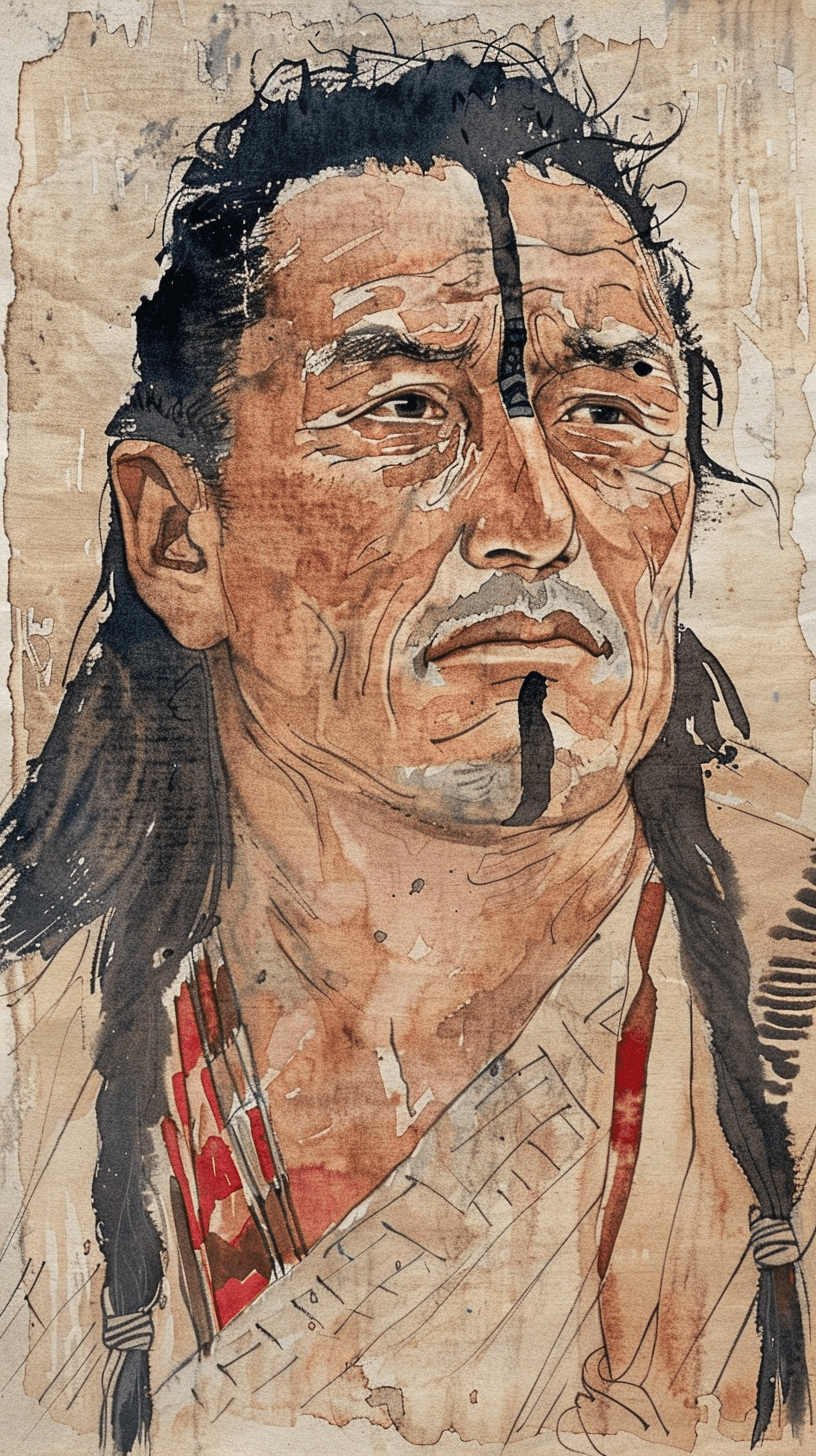
Mona Rudao, chief of Mahebo, felt his people's dignity stripped away, inch by inch. But he chose silence. He chose to wait.
About Mona Rudao
Early October, 1930. Mona Rudao's son, Tado Mona, was slapped by a Japanese officer for "unclean hands" while offering wine. Thirty-five years of pent-up fury finally found its outlet.
CHAPTER 3
The Morning of the School Athletic Meet
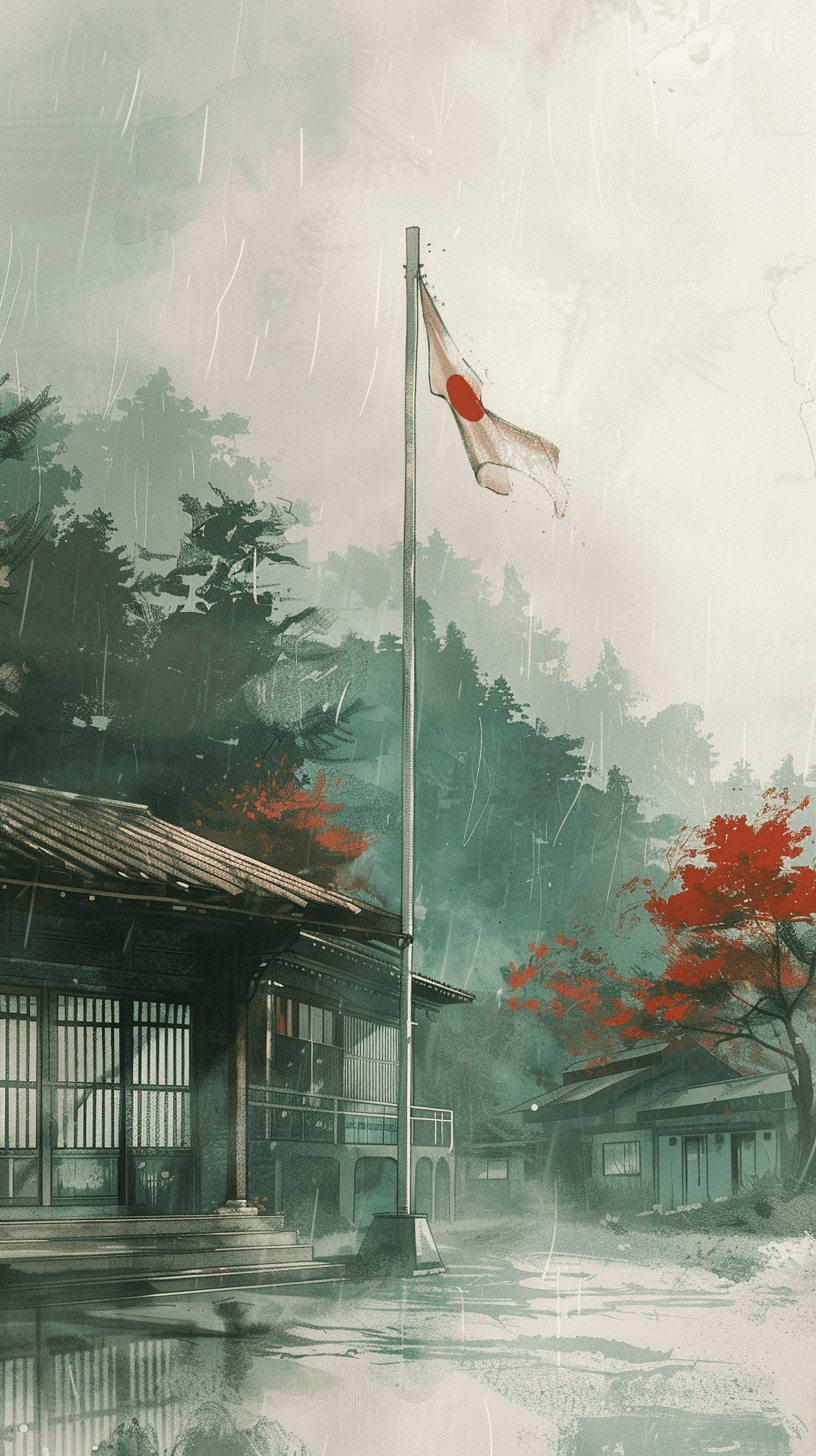
October 27, 1930. Wushe, Nōkō District, Taichū Prefecture. At six in the morning, before the mountain mist had cleared, the Rising Sun flag was slowly raised at Wushe Public School.
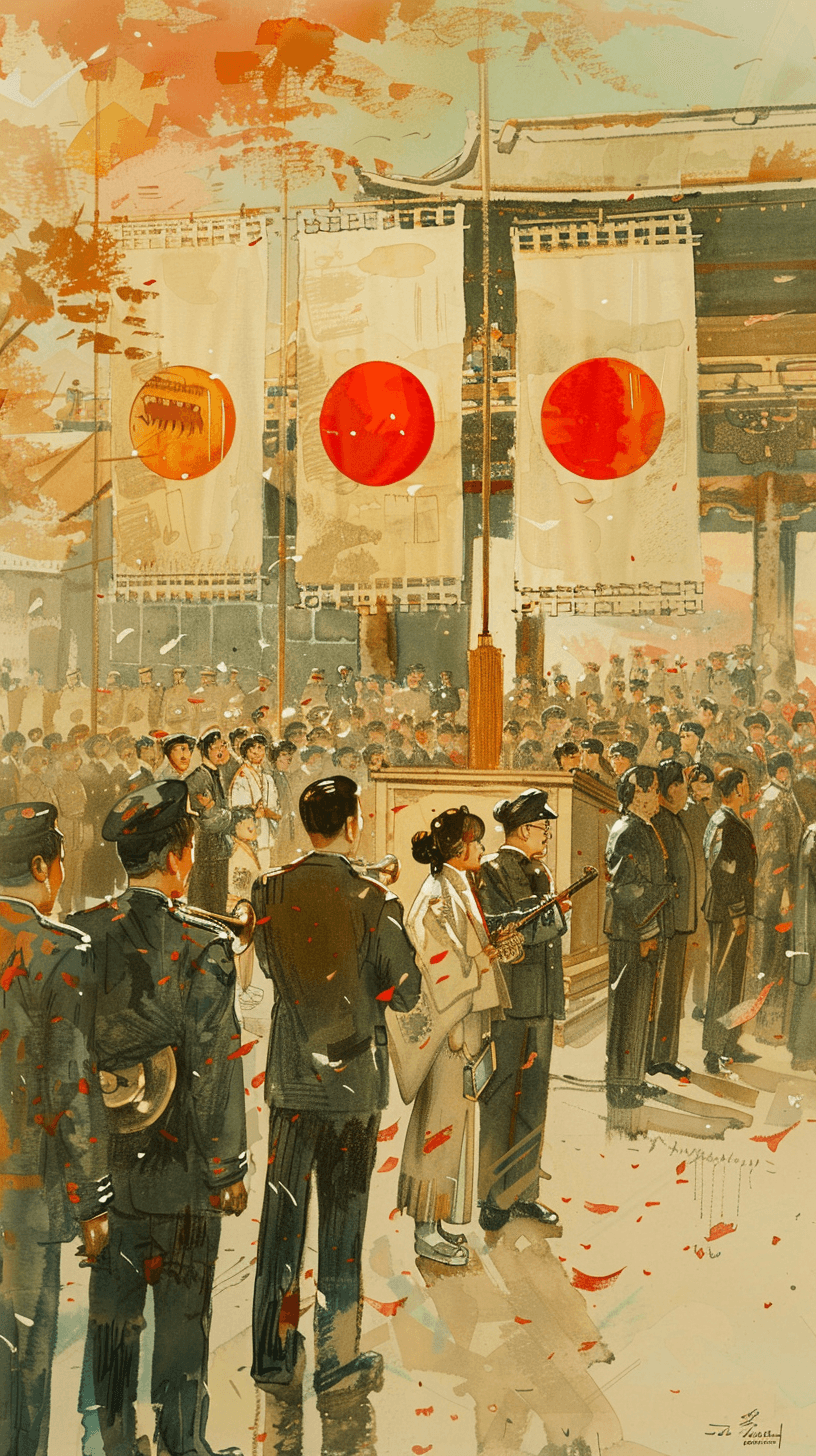
This was the day of the Taiwan Shrine Festival. The regional joint schools' athletic meet had been scheduled for the same day. Japanese officers, officials, teachers, and their families gathered before the school's main platform.
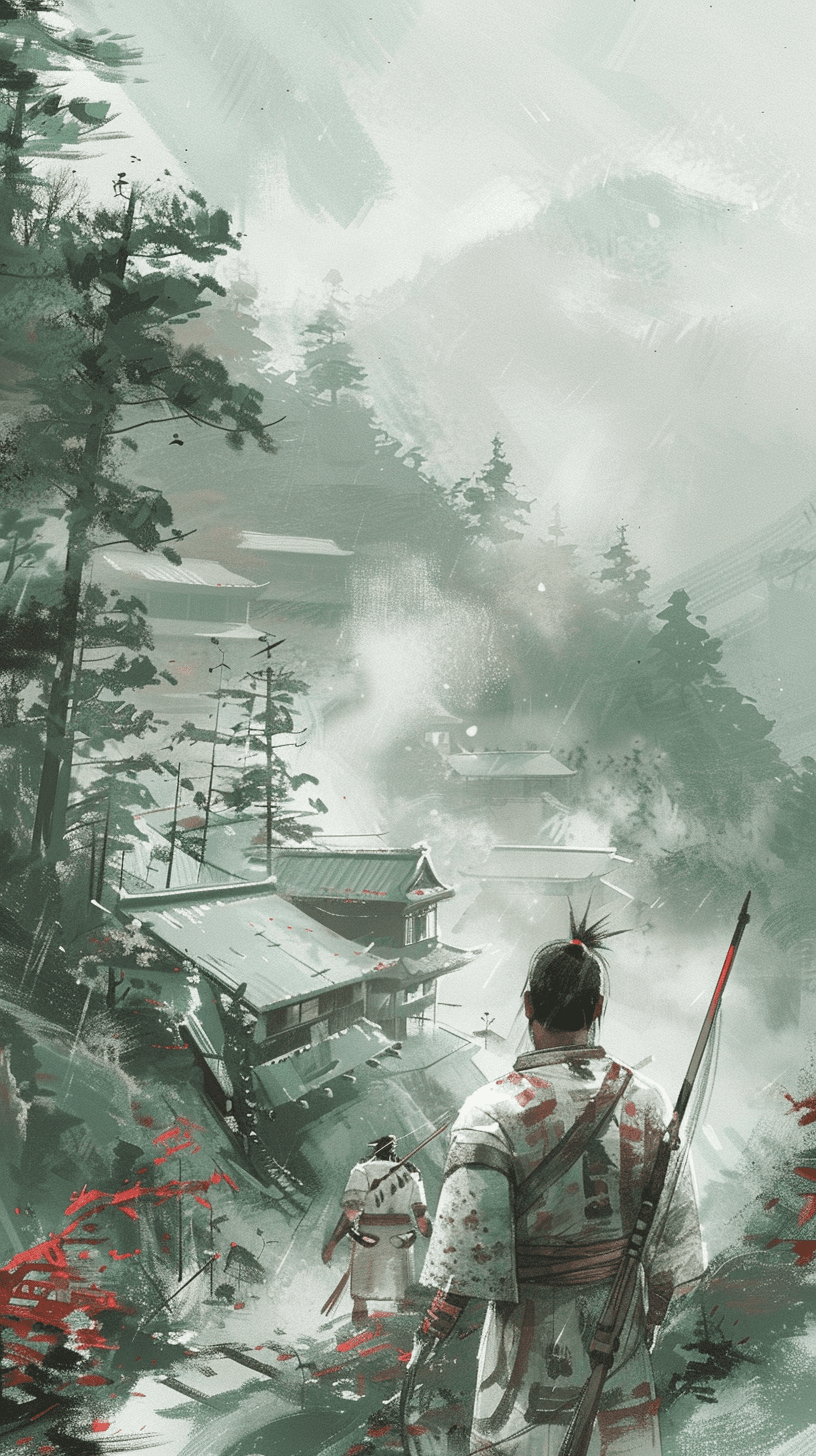
Mona Rudao was nearly fifty. Deep in the mountains, he had waited years for this moment. Behind him stood six tribes — some three hundred warriors with hunting rifles and machetes.
About Mona Rudao
Around eight in the morning, the ceremony began. The drums of the flag-raising had not yet died down when the first shot rang out from the forest. The assembly ground became a battlefield in an instant.
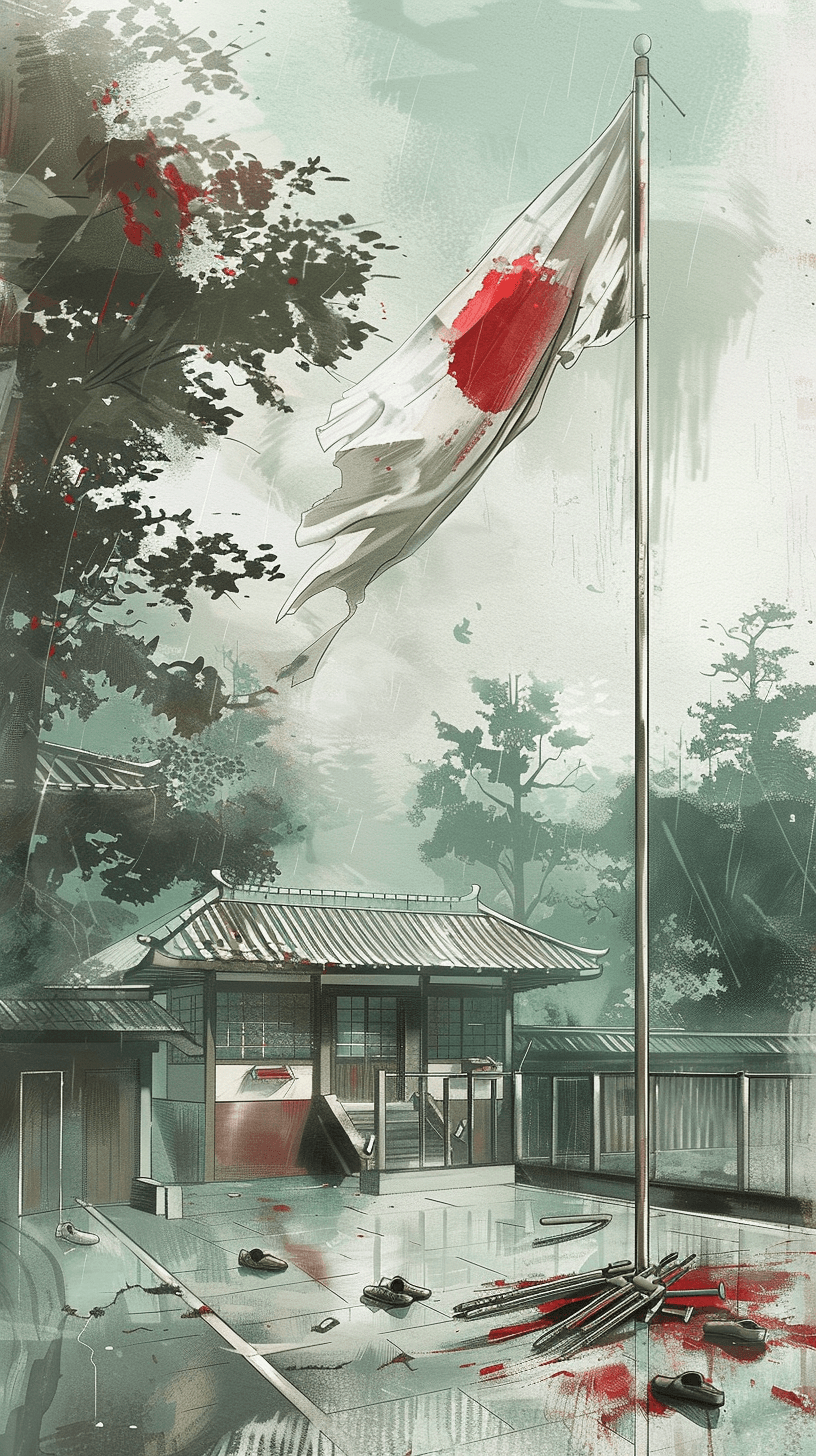
That morning, 134 Japanese died in the Wushe region. Among them: teachers, students, the wives and children of officials.
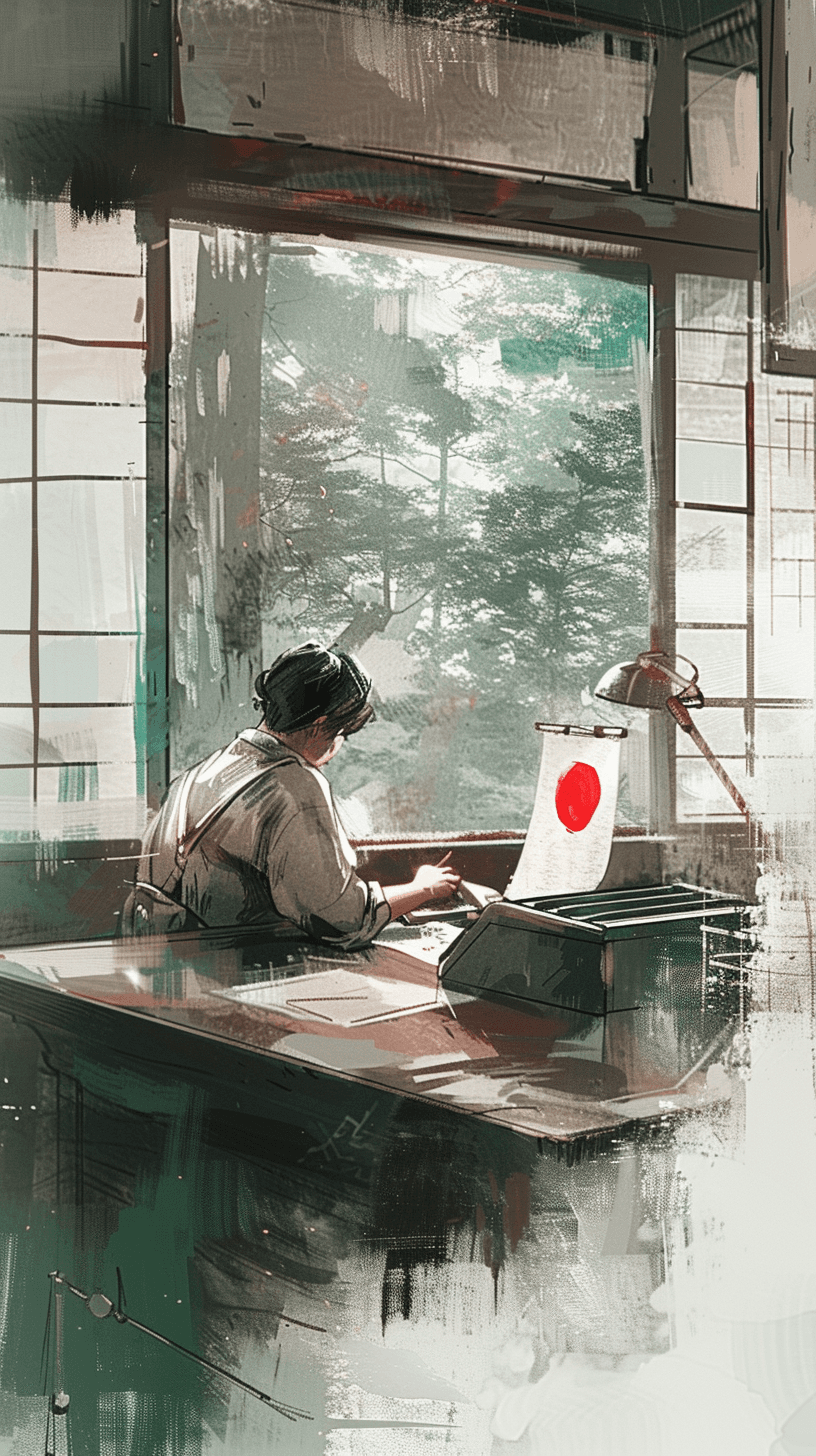
News traveled the telegraph lines and reached Taipei before noon. The Governor-General's Office reeled. The whole island held its breath.
CHAPTER 4
The Mahebo Caves
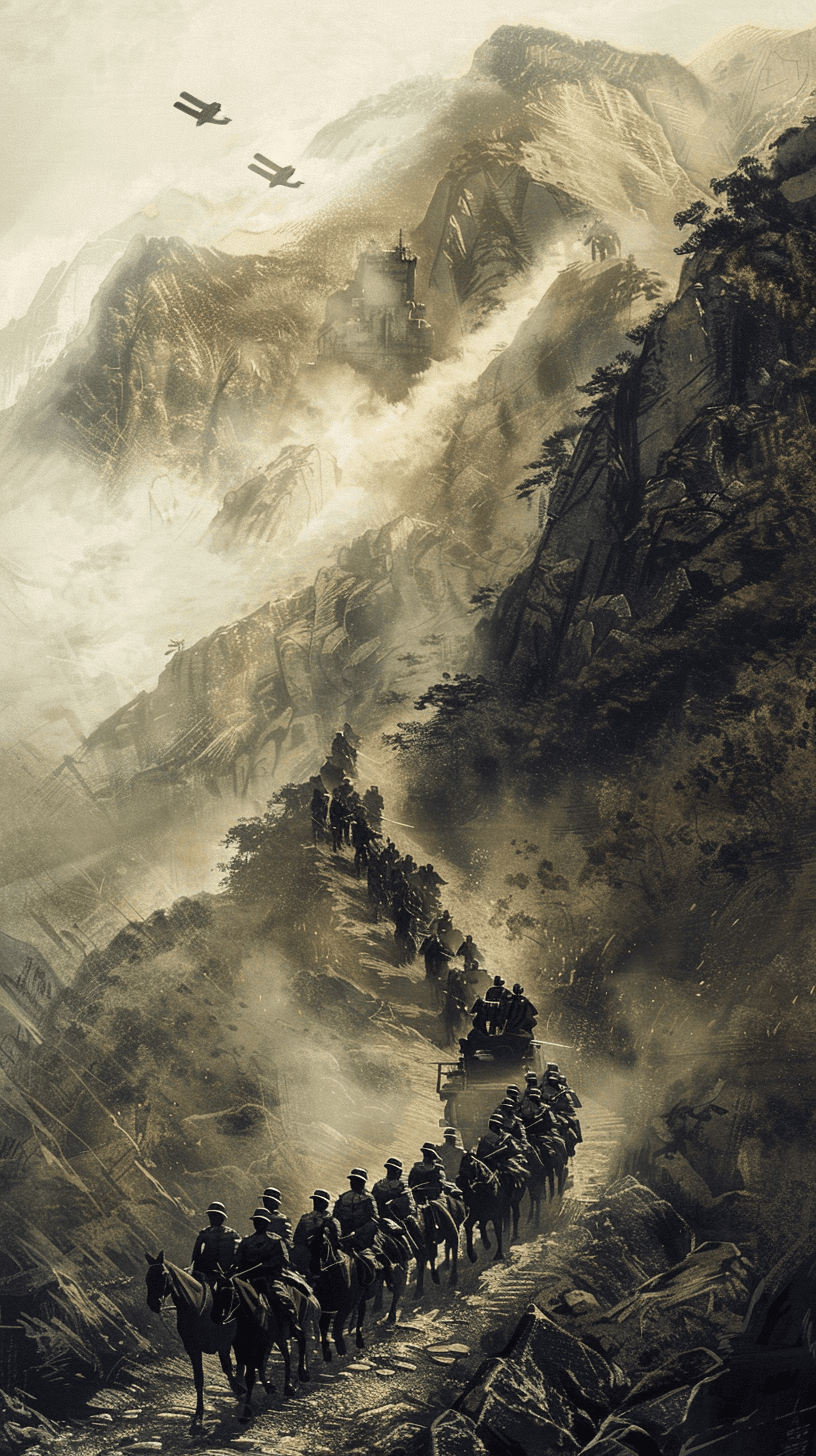
The Governor-General's Office mobilized over three thousand troops and police — with mountain artillery, machine guns, and aircraft — to attack Wushe.
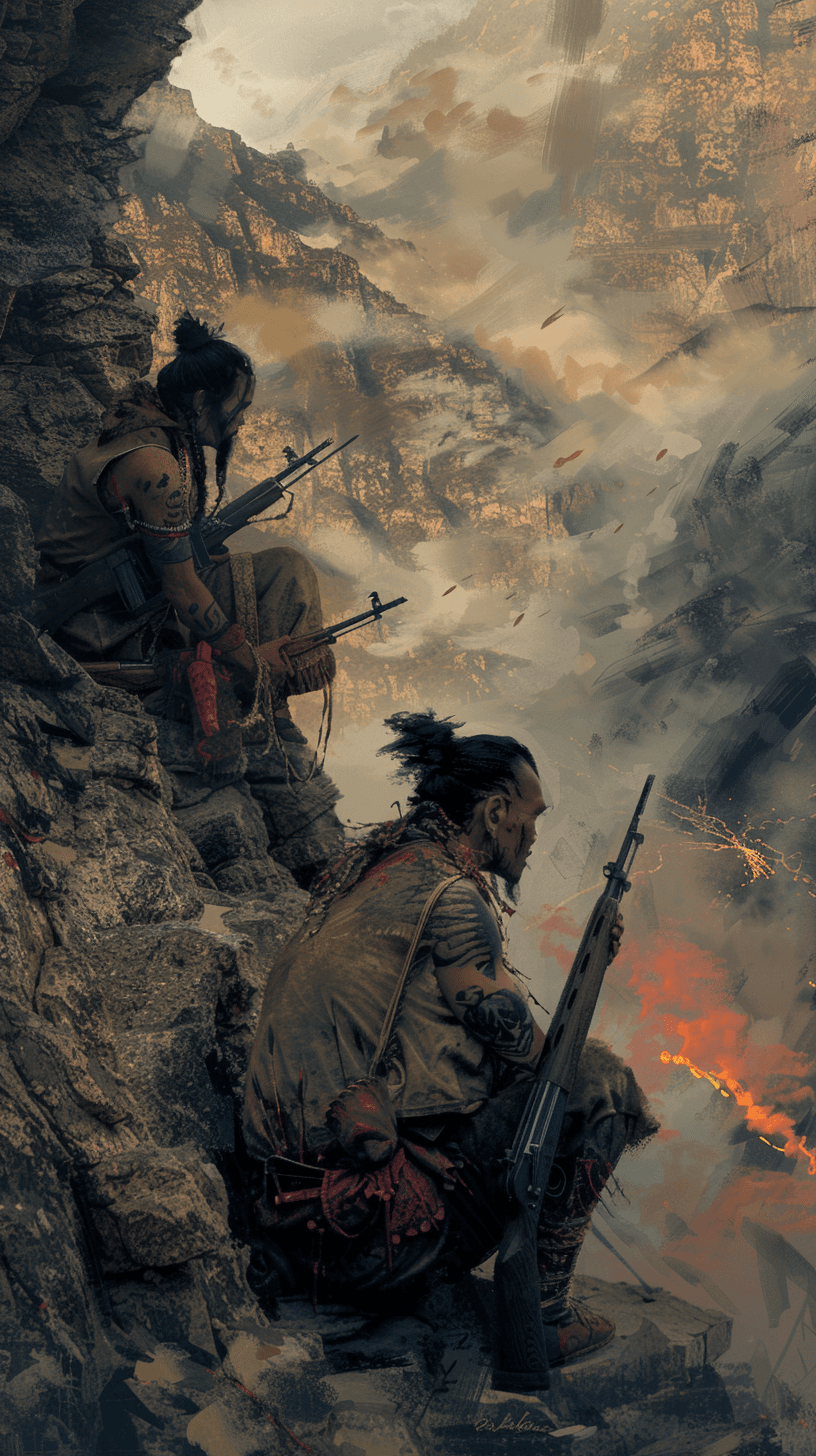
Mountain artillery thundered day and night. The Seediq retreated into the Mahebo caves, defending with hunting rifles and machetes against a modern army.
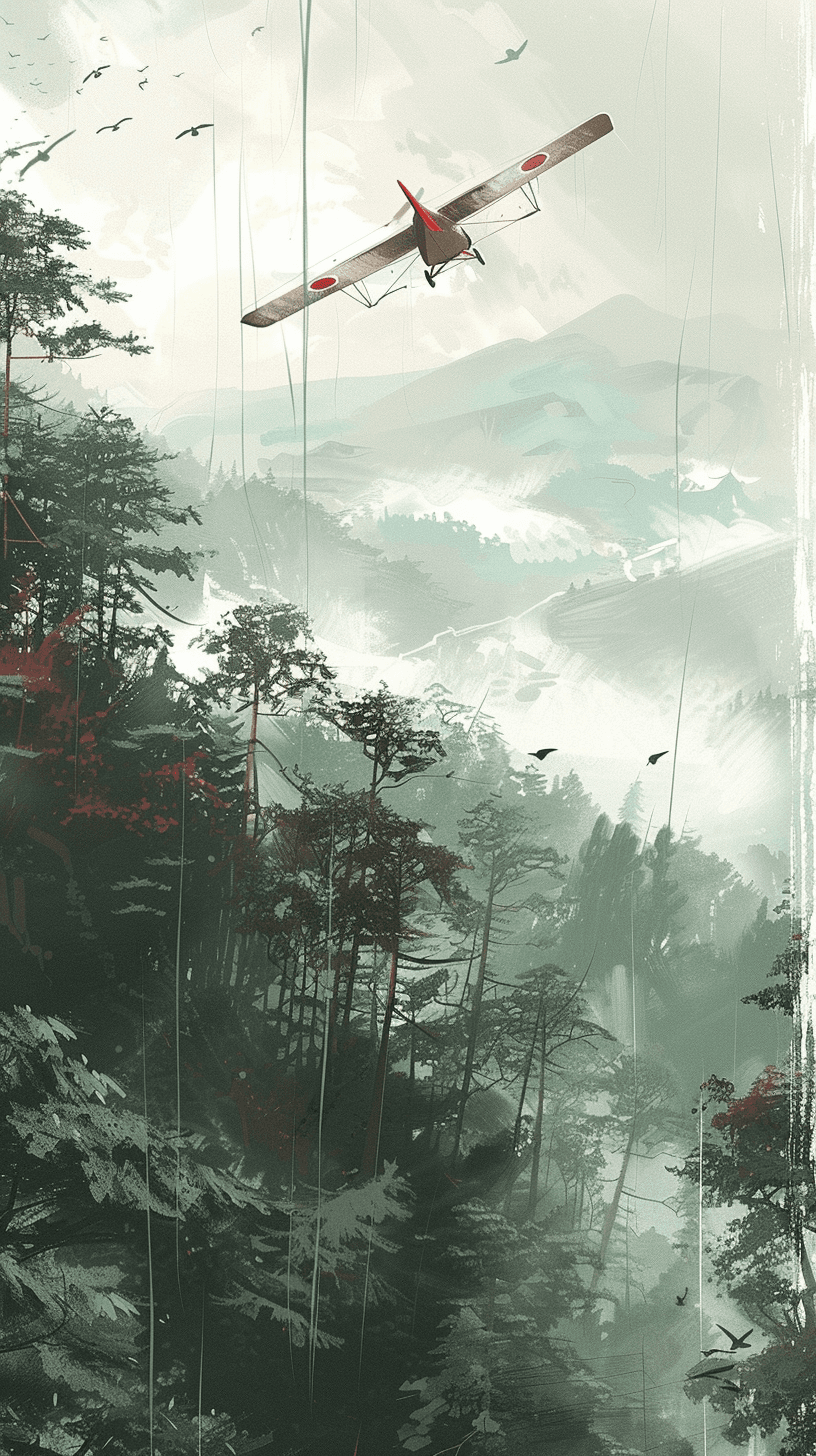
The fighting reached a stalemate. In violation of international convention, Japanese aircraft dropped vesicant poison gas. The forests yellowed; the streams changed color.
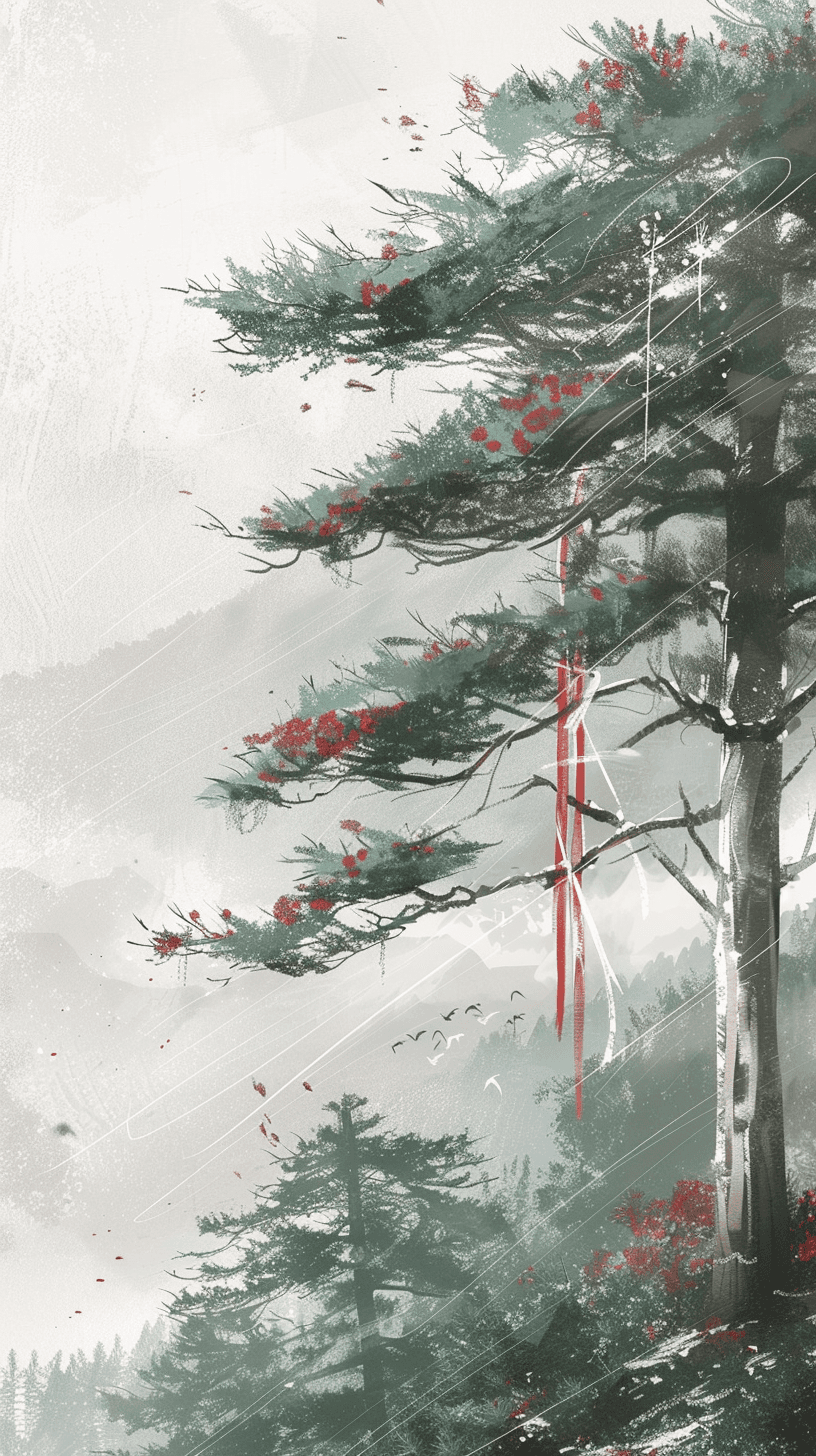
To spare the warriors and avoid the shame of capture, the Seediq women and children, beneath the great trees of the mountains, hanged themselves together.
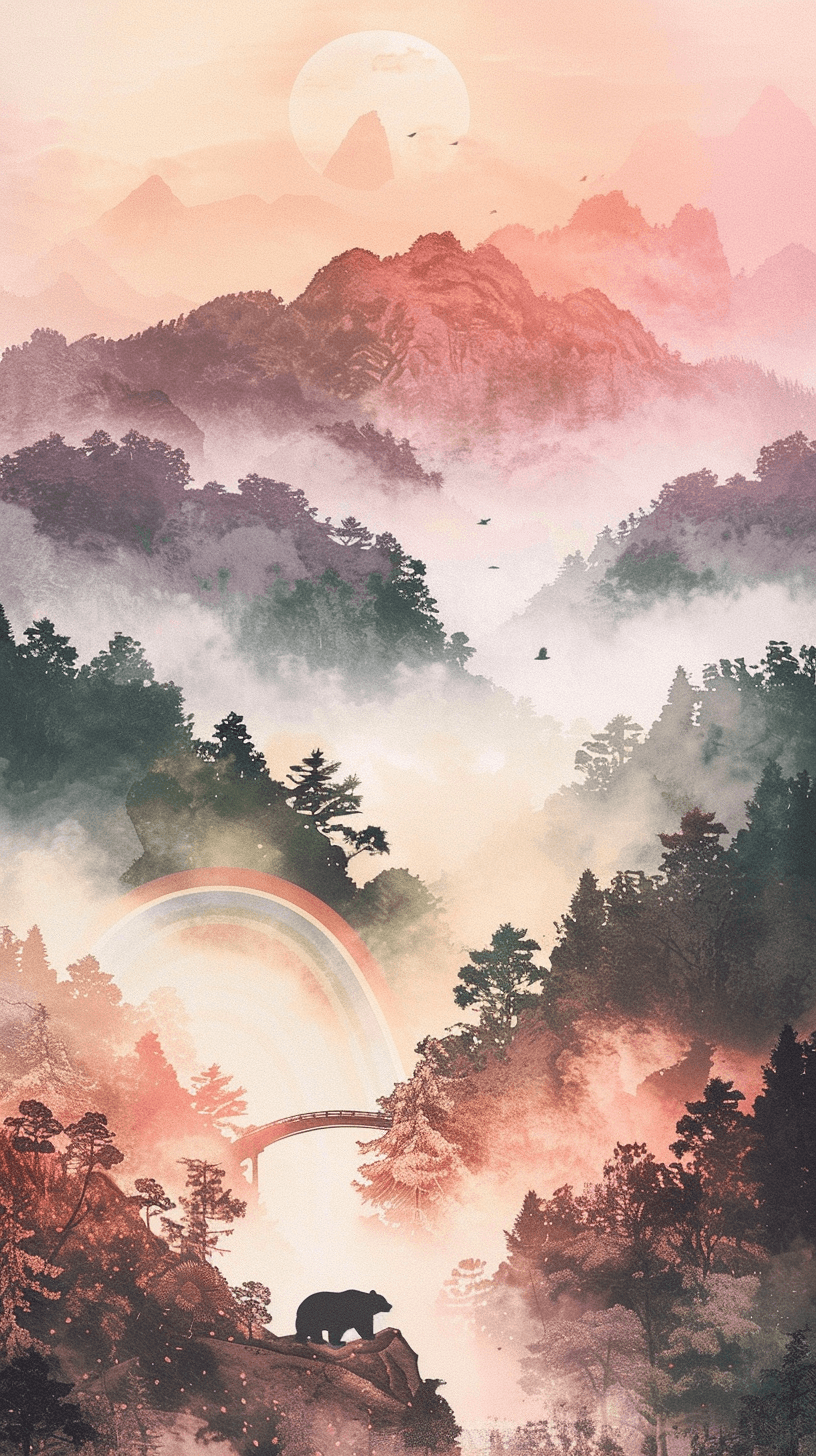
Mona Rudao's wife, his sisters, his children — one by one, they crossed the Rainbow Bridge.
About Mona Rudao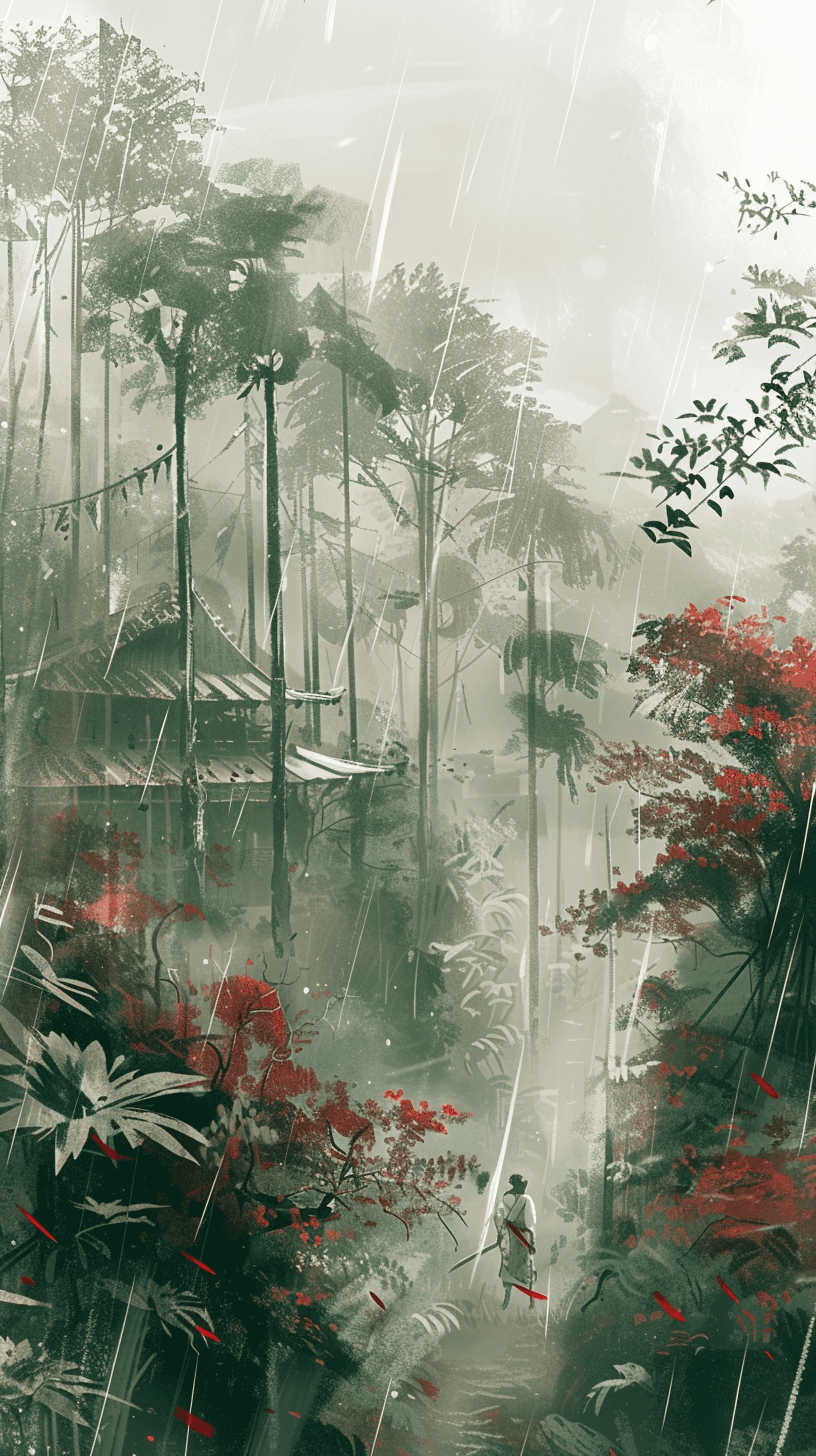
December 1, 1930. The Mahebo caves fell. Mona Rudao walked deep into the mountains. He was never seen again.
CHAPTER 5
Echoes from Kawanakajima
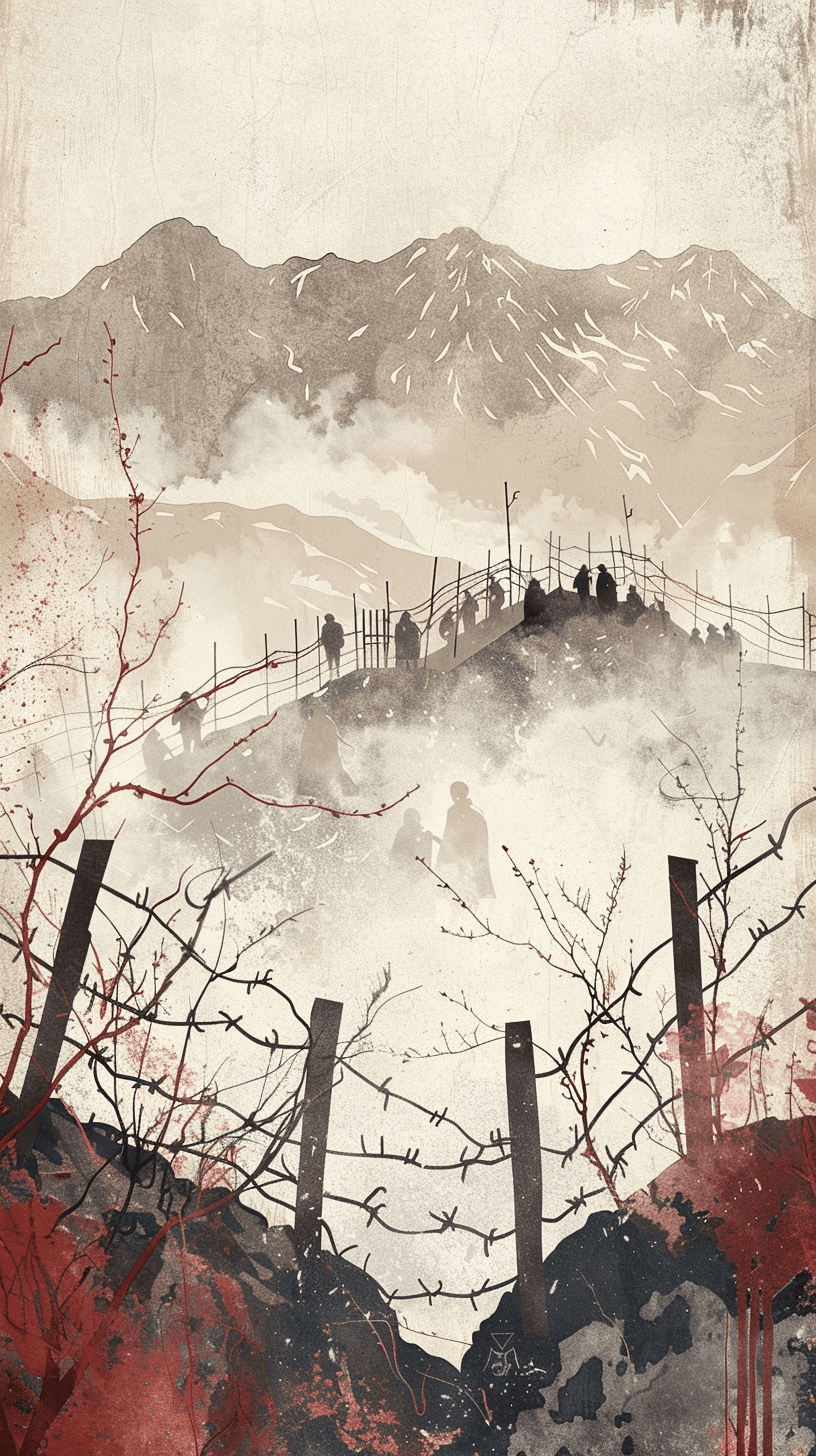
The surviving Seediq dwindled from over twelve hundred to five hundred. They were forcibly interned at Lodofu and Sipo.
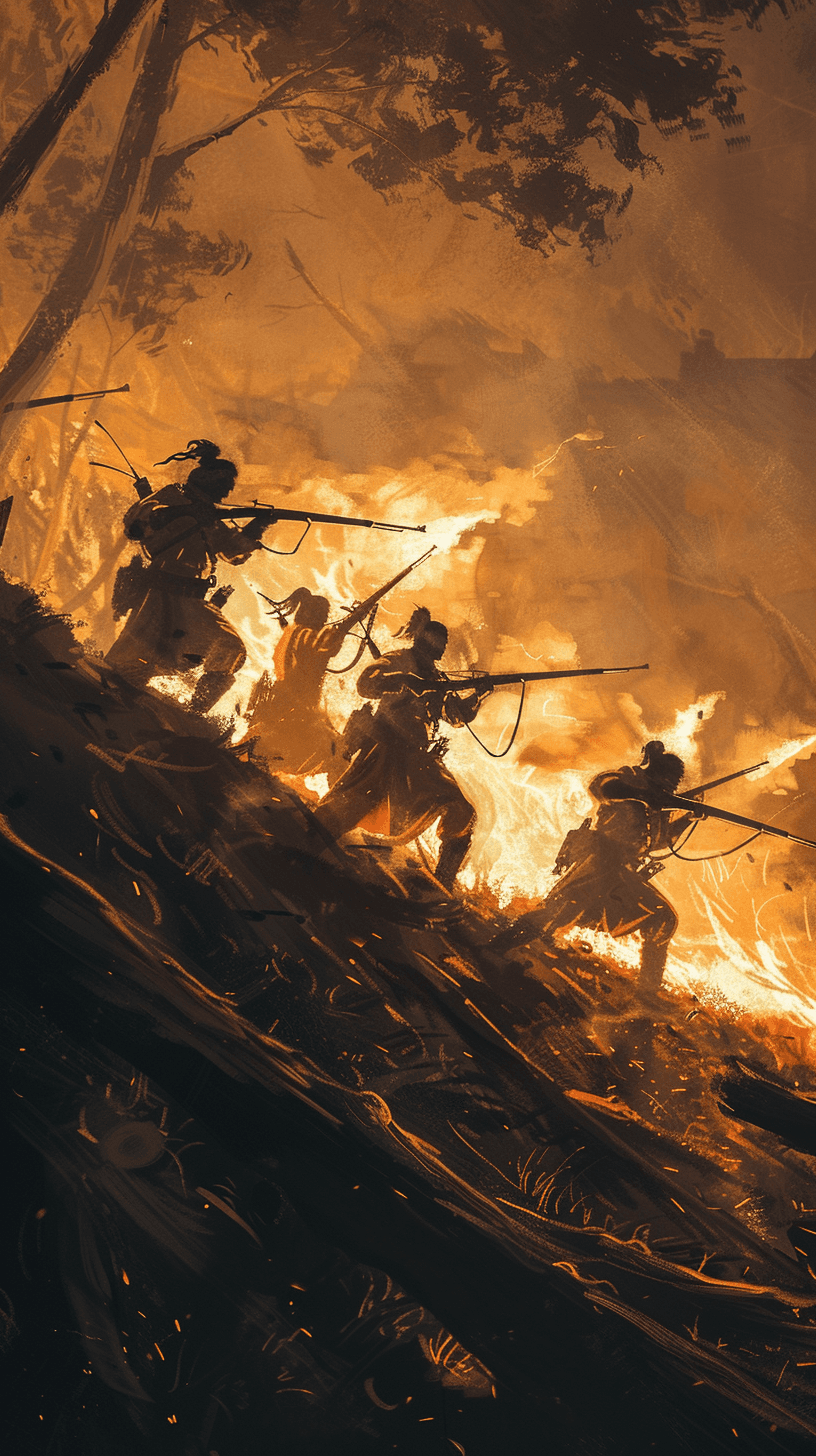
In April 1931, the Japanese incited the rival "loyal aborigines" to raid the camps. The Second Wushe Incident broke out — another 216 dead.
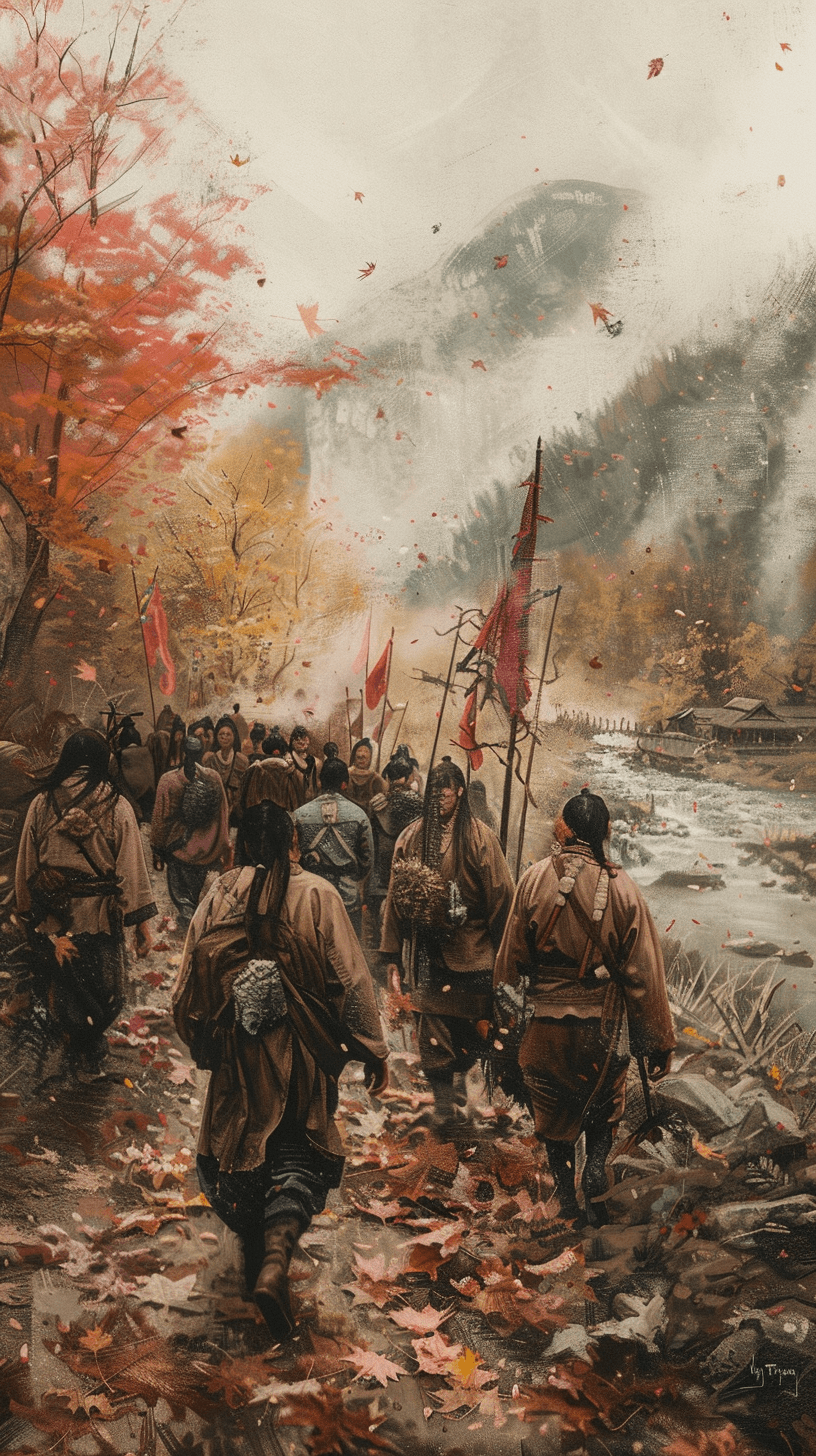
The remaining 298 were forcibly relocated to "Kawanakajima" on the banks of the Beigang River — today's Qingliu community in Ren'ai, Nantou.
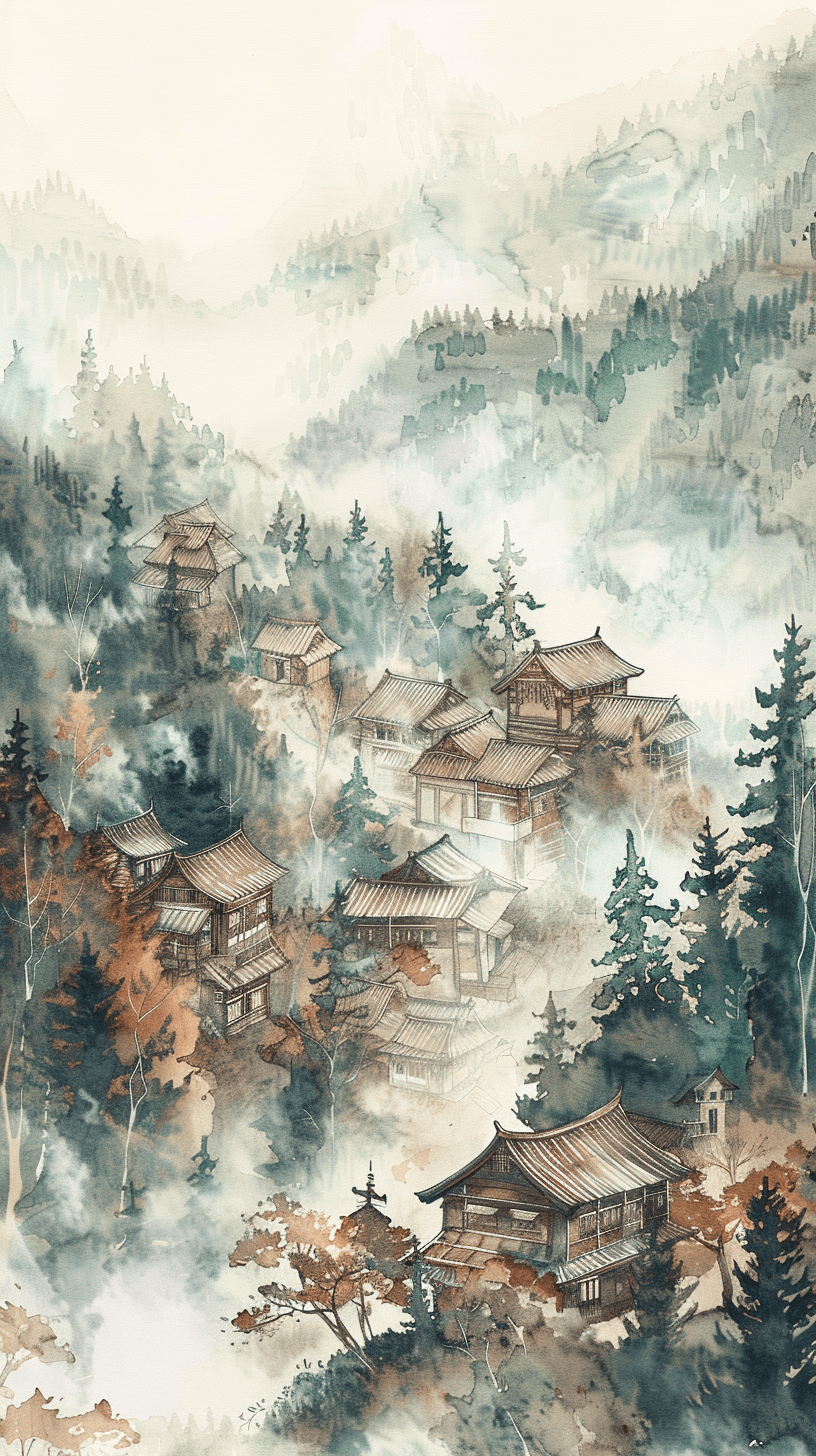
From then on, the names of the six tribes vanished from the map. The mountains fell silent for nearly half a century.
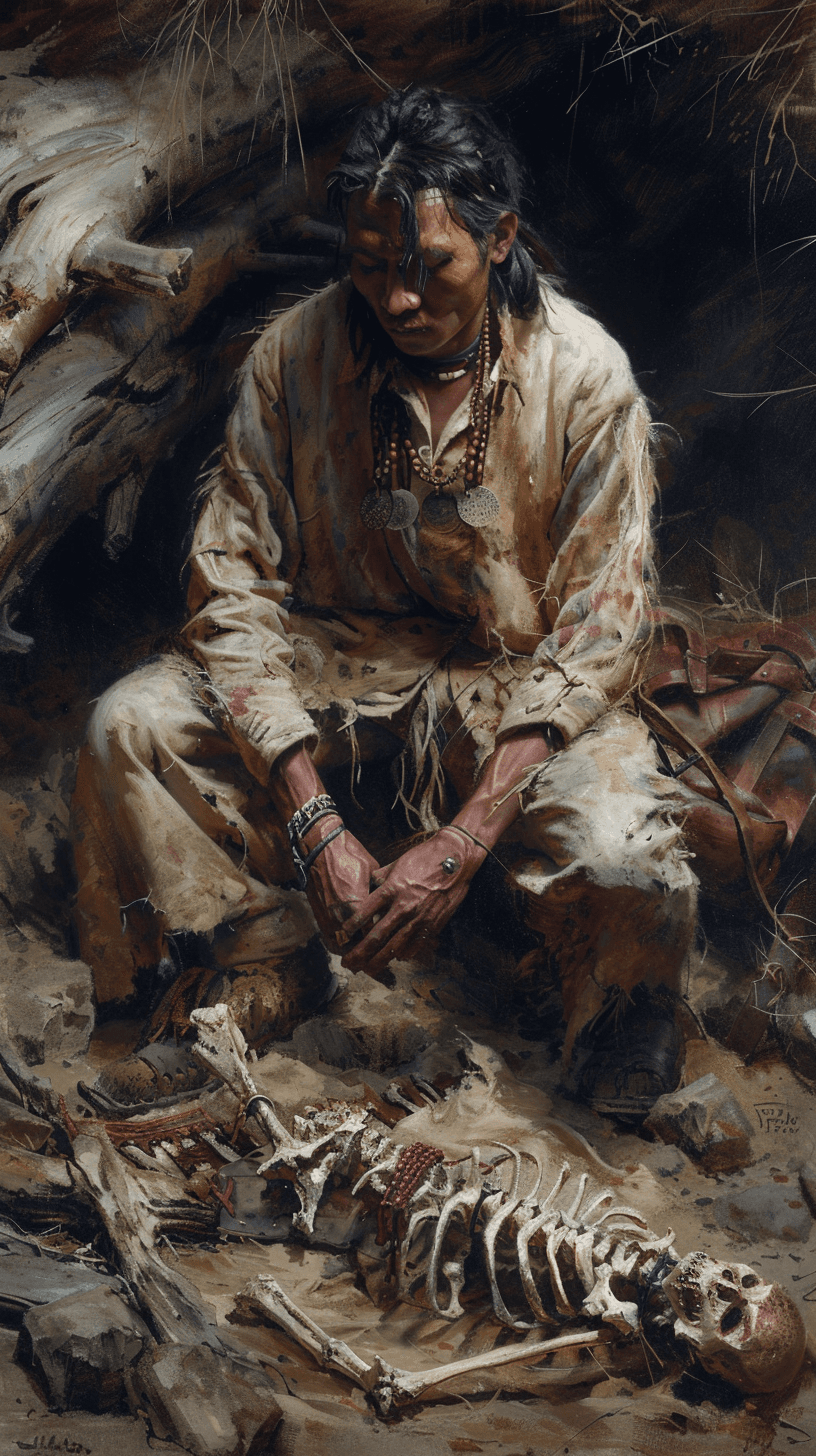
In 1934, a hunter discovered partially decomposed remains in the Mahebo mountains. They were identified as Mona Rudao.
About Mona RudaoCHAPTER 6
Crossing the Rainbow Bridge
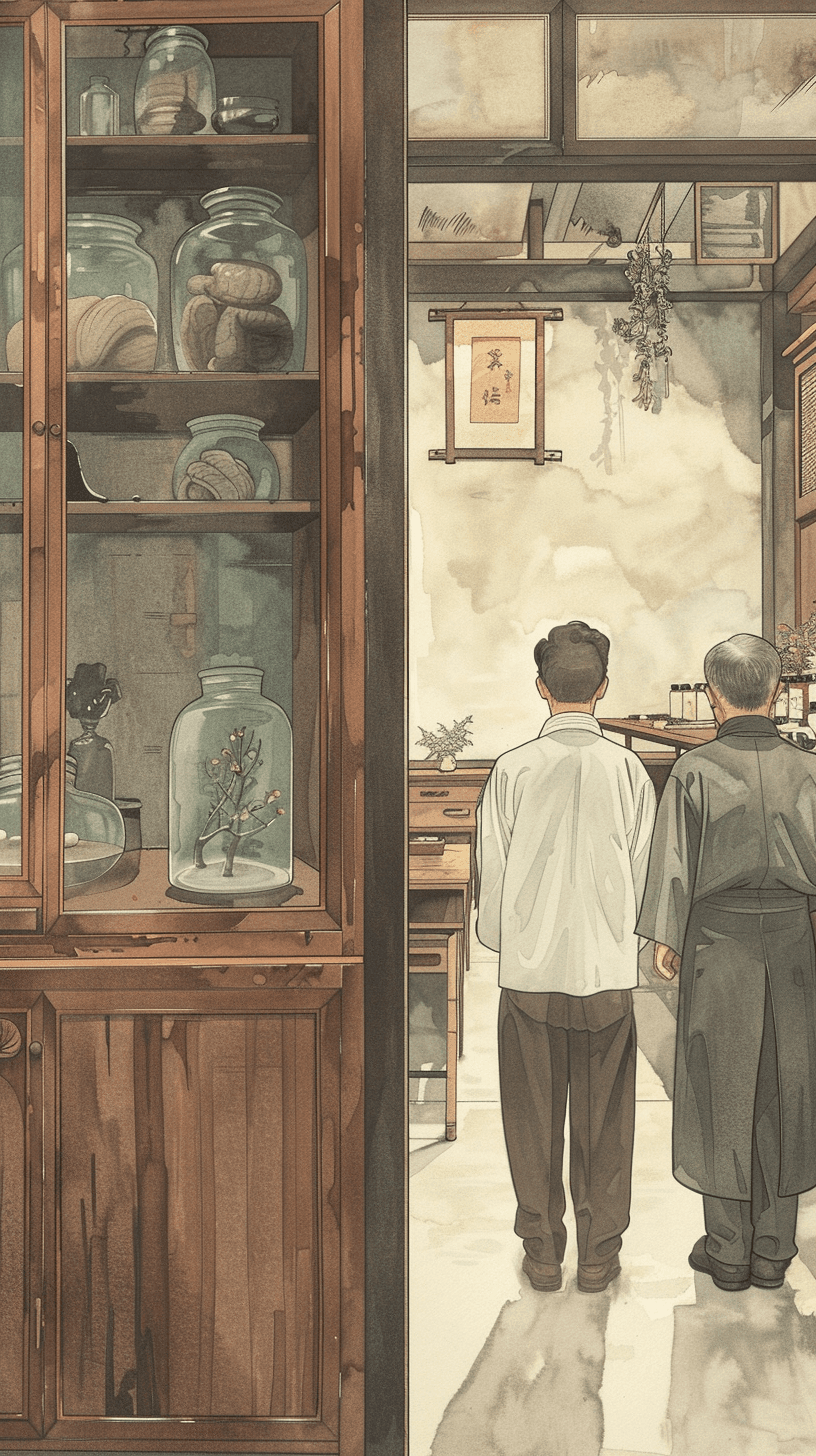
After the war, Mona Rudao's remains were long kept in a specimen room at National Taiwan University's medical college. In 1973, they were finally returned to Wushe for burial.
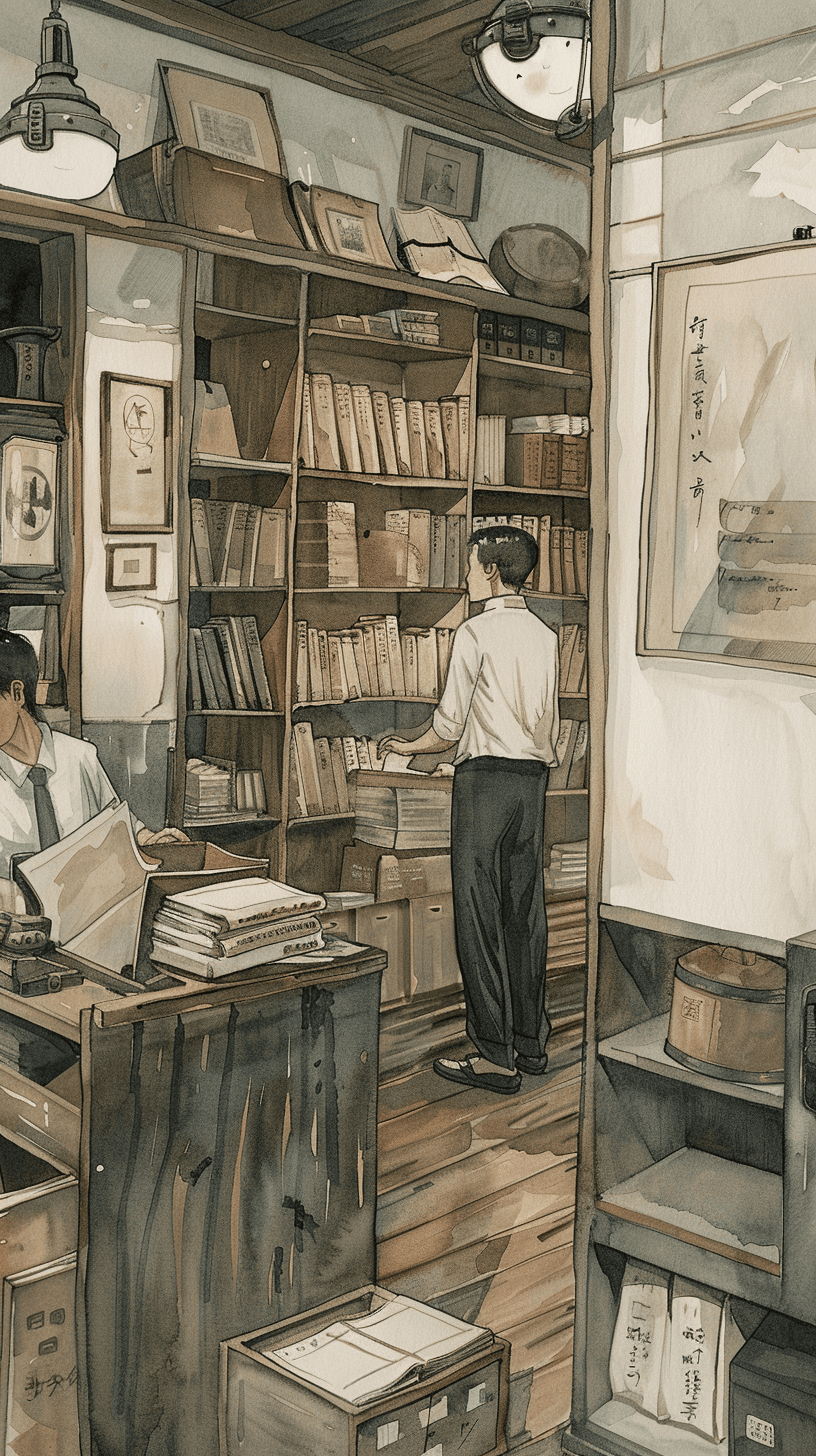
In the 1980s, Taiwanese society began to re-examine this history. Monuments, documentaries, and scholarship slowly restored their names.
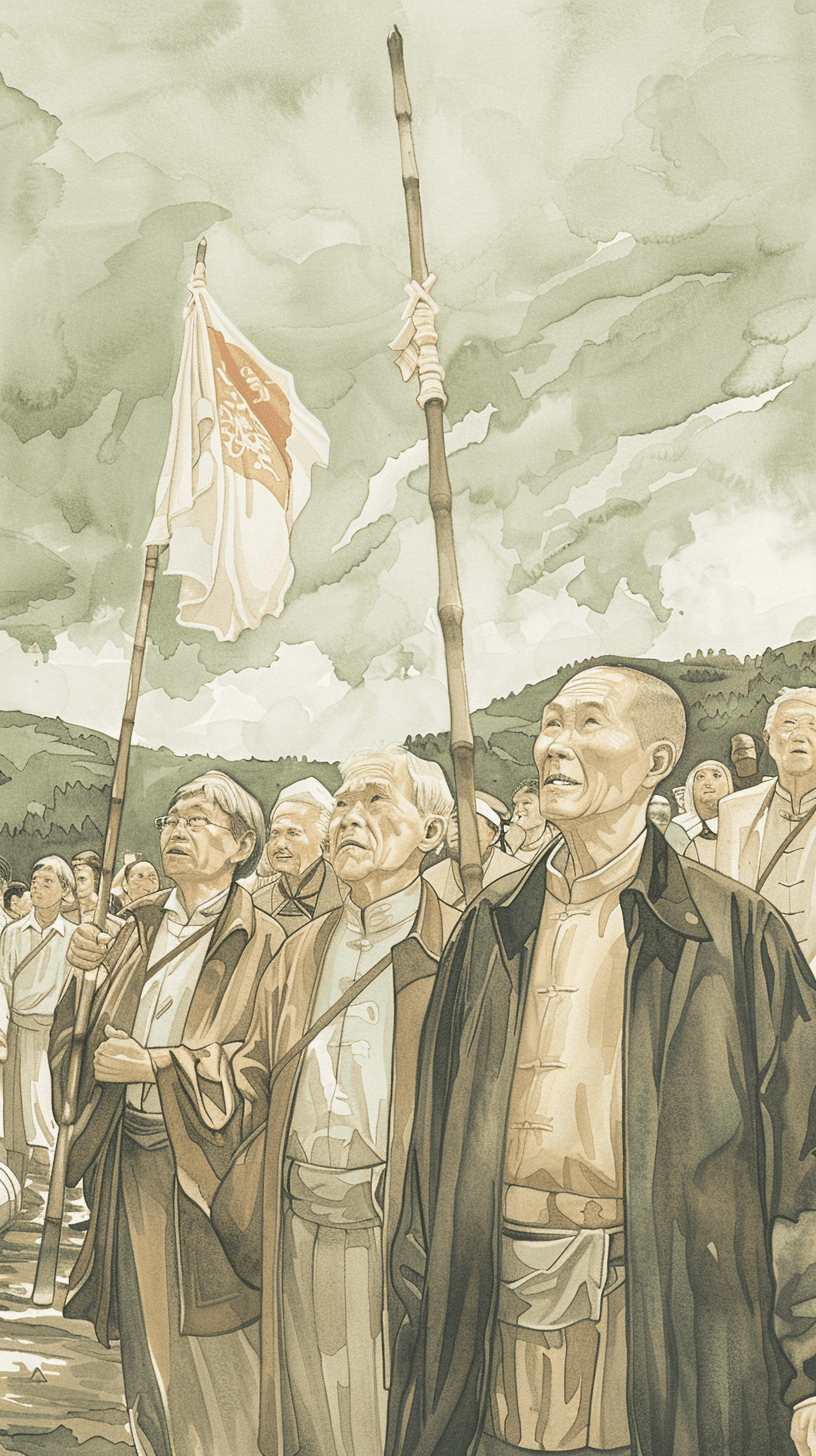
April 23, 2008. The Seediq were formally separated from the Atayal and recognized as Taiwan's fourteenth officially acknowledged indigenous people.
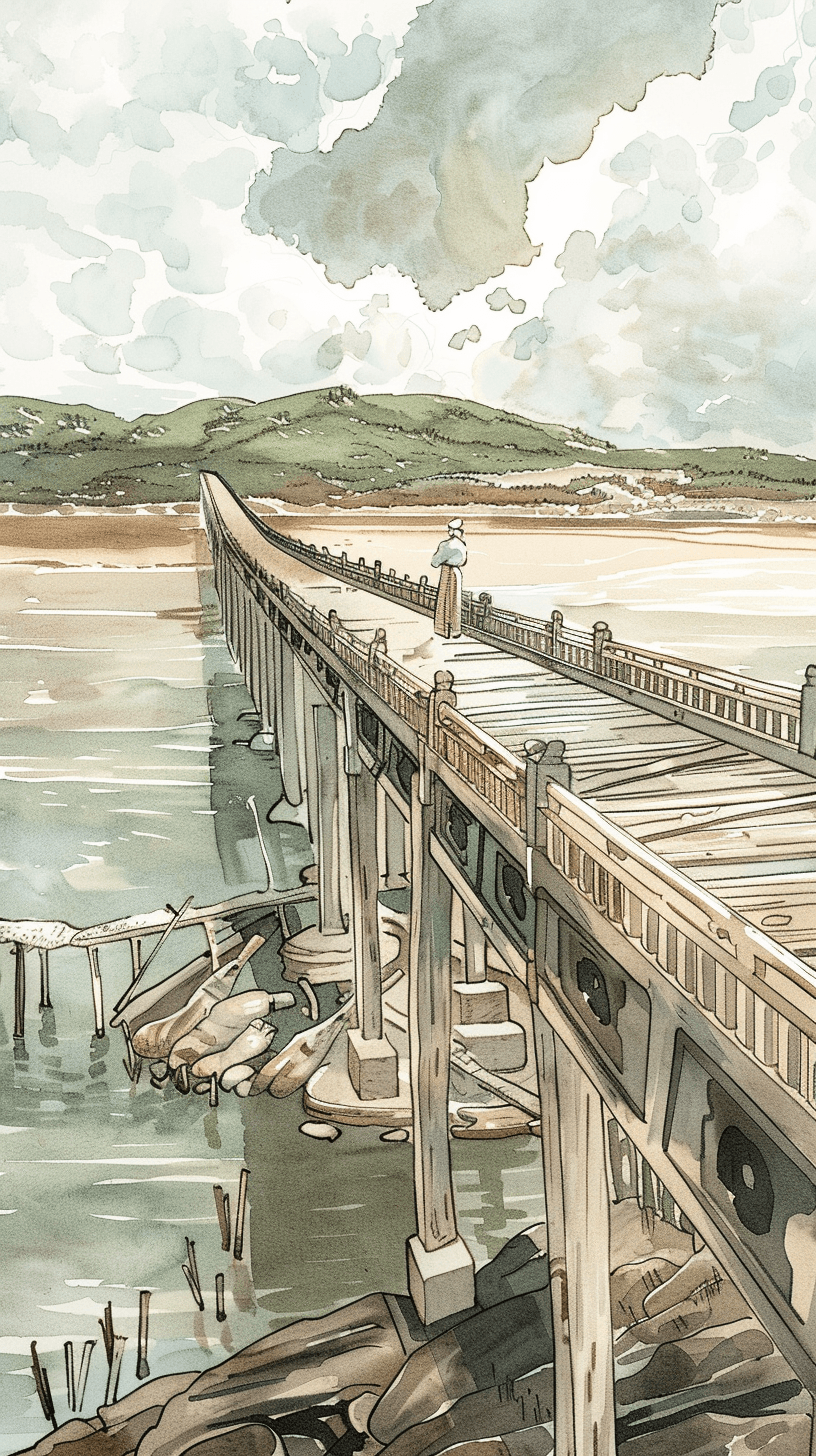
"A true person must cross the Rainbow Bridge." Eighty years on, they have finally crossed.
And we — we are still learning how to remember their names.
FIN
Next storySiege of Fort Zeelandia